
How To Help Stray Animals During Summer Heatwaves: 8 Easy Tips To Keep Them Safe

Summer heatwaves pose serious risks to stray animals, leaving street dogs, cats, and birds vulnerable to dehydration, sunburn, and exhaustion. Knowing how to help stray animals during summer heatwaves can make a real difference in their survival. With a few simple actions, you can ensure that these animals stay hydrated, cool, and protected from the scorching sun.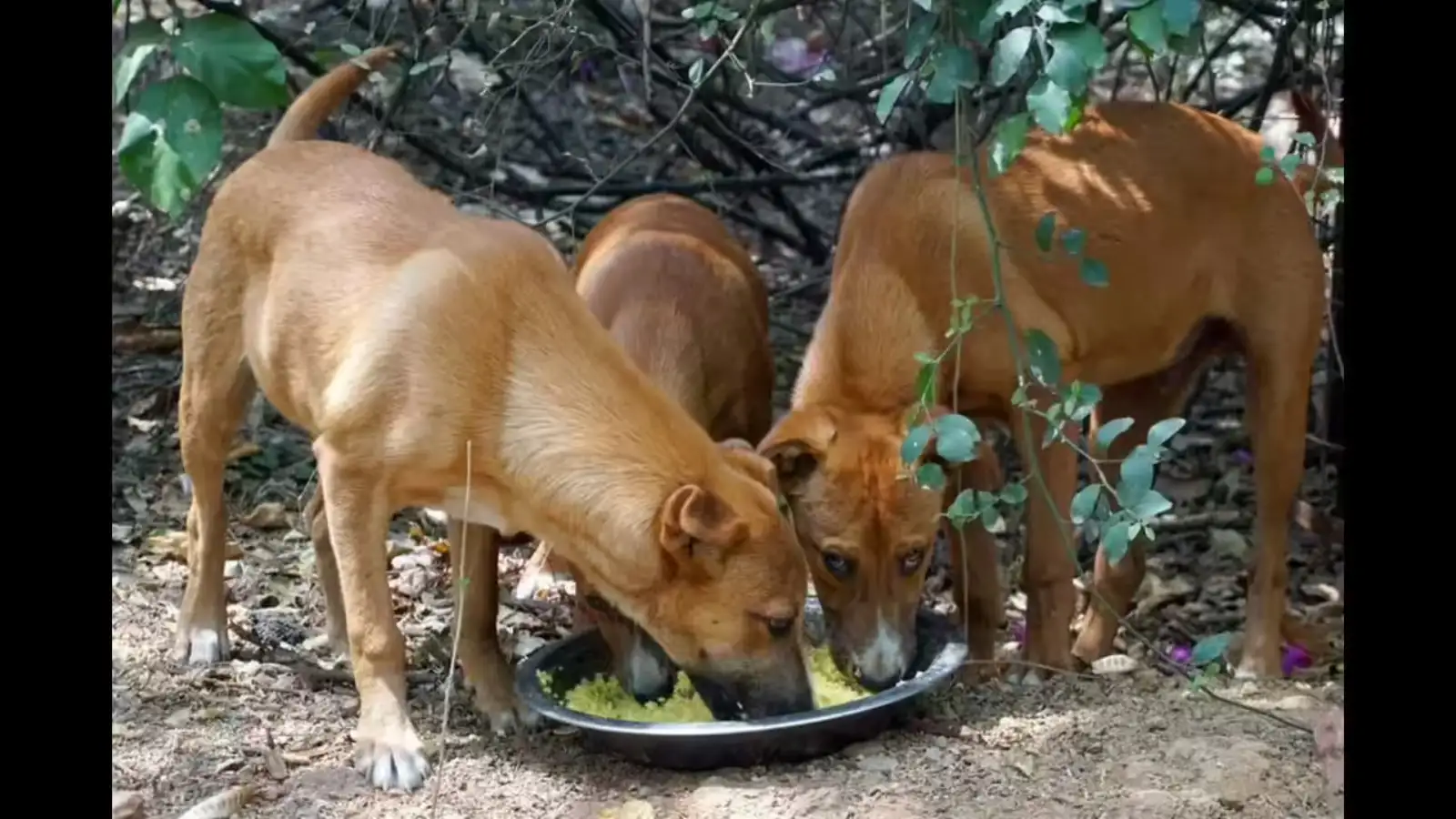
1. Keep Water Bowls Accessible
Providing fresh water is the first step in helping stray animals survive extreme heat. Place bowls of water outside your home, shops, or along busy streets to allow stray dogs and cats to stay hydrated. Make sure to refill the water regularly to prevent it from drying up under the hot sun.
2. Create Cool Shade Spots
Direct sunlight can be dangerous for animals during peak summer hours. You can create shaded areas using cloth, cardboard, or umbrellas. Even a small shaded corner can give stray animals a safe place to rest without overheating.
3. Feed Animals During Cooler Hours
To prevent animals from overheating, serve food in the early morning or late evening. Feeding during cooler hours reduces the risk of heatstroke and ensures that they can eat safely without standing on hot pavements.
4. Provide Water for Birds
Birds are especially vulnerable to summer heat. Place clay bowls filled with water on balconies, terraces, or windowsills. Sparrows, pigeons, and other small birds will have a safe spot to drink and cool off.
5. Assist Weak or Injured Animals
If you spot a weak, sick, or injured animal, don’t ignore it. Offer water immediately and contact local animal rescue groups for professional help. Quick action can save lives during extreme heatwaves.
6. Use Earthen Pots for Cooler Water
Earthen pots naturally keep water cool for longer periods. Using these pots instead of plastic bowls ensures that stray animals always have access to refreshing water, even during the hottest parts of the day.
7. Avoid Hot Surfaces When Feeding
Animals can easily burn their paws on hot pavements or sand. Place food in shaded areas to ensure that stray dogs and cats can eat without standing on surfaces that retain heat. This simple step can prevent injuries and make feeding safer.
8. Encourage Community Participation
Helping stray animals doesn’t have to be a solo effort. Encourage your neighbours and local community to place water bowls, food, and shade in multiple locations. A community-wide approach creates a network of safe spaces for animals during summer heatwaves.
By following these eight simple steps, you can play a vital role in protecting stray animals from the harsh effects of summer heatwaves. Every small act of care - from placing water bowls to providing shade—can save lives and make your community more compassionate.
1. Keep Water Bowls Accessible
Providing fresh water is the first step in helping stray animals survive extreme heat. Place bowls of water outside your home, shops, or along busy streets to allow stray dogs and cats to stay hydrated. Make sure to refill the water regularly to prevent it from drying up under the hot sun.
2. Create Cool Shade Spots
Direct sunlight can be dangerous for animals during peak summer hours. You can create shaded areas using cloth, cardboard, or umbrellas. Even a small shaded corner can give stray animals a safe place to rest without overheating.
3. Feed Animals During Cooler Hours
To prevent animals from overheating, serve food in the early morning or late evening. Feeding during cooler hours reduces the risk of heatstroke and ensures that they can eat safely without standing on hot pavements.
4. Provide Water for Birds
Birds are especially vulnerable to summer heat. Place clay bowls filled with water on balconies, terraces, or windowsills. Sparrows, pigeons, and other small birds will have a safe spot to drink and cool off.
You may also like
- Young users online: How technology can help build safer social platforms
- Pregnancy can put extra strain on the kidneys: Doctor explains how conditions like preeclampsia and gestational diabetes may raise future kidney disease risk
- Kidney disease symptoms: These symptoms appear just before kidney failure, with marks appearing on the neck and face
- Significance of Papmochani Ekadashi 2026: Rituals and Remedies
- Significance of Chaitra Amavasya 2026: Rituals and Guidelines
5. Assist Weak or Injured Animals
If you spot a weak, sick, or injured animal, don’t ignore it. Offer water immediately and contact local animal rescue groups for professional help. Quick action can save lives during extreme heatwaves.
6. Use Earthen Pots for Cooler Water
Earthen pots naturally keep water cool for longer periods. Using these pots instead of plastic bowls ensures that stray animals always have access to refreshing water, even during the hottest parts of the day.
7. Avoid Hot Surfaces When Feeding
Animals can easily burn their paws on hot pavements or sand. Place food in shaded areas to ensure that stray dogs and cats can eat without standing on surfaces that retain heat. This simple step can prevent injuries and make feeding safer.
8. Encourage Community Participation
Helping stray animals doesn’t have to be a solo effort. Encourage your neighbours and local community to place water bowls, food, and shade in multiple locations. A community-wide approach creates a network of safe spaces for animals during summer heatwaves.
By following these eight simple steps, you can play a vital role in protecting stray animals from the harsh effects of summer heatwaves. Every small act of care - from placing water bowls to providing shade—can save lives and make your community more compassionate.






More from our partners


Loving Newspoint? Download the app now
