
How to Identify Real vs Fake Litchis at Home: Easy Tricks to Pick Safe, Natural Fruit

Summer brings the sweet burst of litchis to our fruit bowls - but not every juicy bite is safe. With rising demand, some sellers enhance litchis using harmful dyes, wax, and chemicals to boost their look and shelf life. The good news? You don’t need a lab to tell the difference. Here are quick and easy ways to check if your litchis are real or fake - all from the comfort of your kitchen.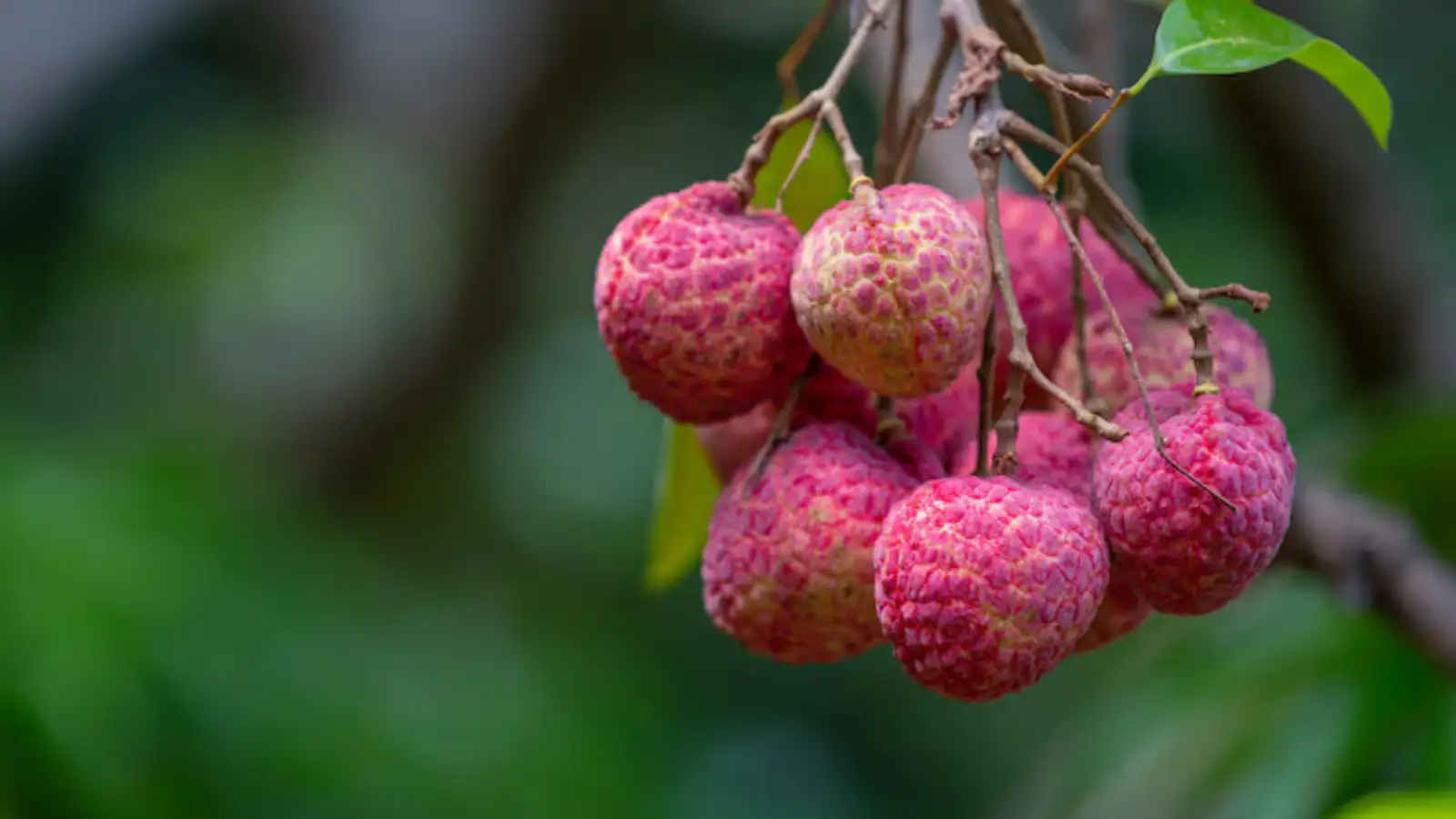
1. Colour Check: Real Litchis Aren’t Perfectly Red
Natural litchis have a mix of red, pink, green, and brown on their peel. If the fruit looks too bright, uniform in colour, or unnaturally shiny, it’s likely been artificially coloured.
2. Touch Test: Rough Is Right
Genuine litchis feel bumpy and leathery. A smooth, waxy, or slippery surface might mean it’s coated in oil or wax to make it look fresh.
3. Water Test: Let the Fruit Speak
Drop a few litchis into a bowl of water. If the water changes colour or the litchis float strangely, they could be treated with external dyes or chemicals. Real litchis won’t discolour the water.
4. Smell It: Trust Your Nose
Natural litchis smell mildly sweet. A strong chemical or synthetic odour is a major warning sign — and a good reason to skip that batch.
5. Slice and See
Cut open a litchi. The flesh should be white, juicy, and translucent. If you spot red patches, dryness, or an odd texture, the fruit may be chemically treated.
6. Rub Test: A Tissue Can Tell
Rub the litchi’s skin with a wet tissue or cotton ball. If colour rubs off, it’s likely been dyed. This trick works well when checking bulk purchases.
7. Watch the Season
Litchis are a summer fruit, mostly available from May to July in India. If you find them off-season, they’re probably chemically ripened or preserved.
8. Buy Smart
Purchase from trusted vendors, farmers' markets, or certified organic sellers. Staying informed and spreading awareness can also help others avoid adulterated fruits.
Stay Safe, Eat Smart
Litchis are a refreshing summer treat - but only when they're the real deal. A little care while choosing can protect your health and that of your family. When in doubt, let your senses and these simple tricks guide you.
1. Colour Check: Real Litchis Aren’t Perfectly Red
Natural litchis have a mix of red, pink, green, and brown on their peel. If the fruit looks too bright, uniform in colour, or unnaturally shiny, it’s likely been artificially coloured. 2. Touch Test: Rough Is Right
Genuine litchis feel bumpy and leathery. A smooth, waxy, or slippery surface might mean it’s coated in oil or wax to make it look fresh.3. Water Test: Let the Fruit Speak
Drop a few litchis into a bowl of water. If the water changes colour or the litchis float strangely, they could be treated with external dyes or chemicals. Real litchis won’t discolour the water. 4. Smell It: Trust Your Nose
Natural litchis smell mildly sweet. A strong chemical or synthetic odour is a major warning sign — and a good reason to skip that batch.5. Slice and See
Cut open a litchi. The flesh should be white, juicy, and translucent. If you spot red patches, dryness, or an odd texture, the fruit may be chemically treated. 6. Rub Test: A Tissue Can Tell
Rub the litchi’s skin with a wet tissue or cotton ball. If colour rubs off, it’s likely been dyed. This trick works well when checking bulk purchases. 7. Watch the Season
Litchis are a summer fruit, mostly available from May to July in India. If you find them off-season, they’re probably chemically ripened or preserved. 8. Buy Smart
Purchase from trusted vendors, farmers' markets, or certified organic sellers. Staying informed and spreading awareness can also help others avoid adulterated fruits.Stay Safe, Eat Smart
Litchis are a refreshing summer treat - but only when they're the real deal. A little care while choosing can protect your health and that of your family. When in doubt, let your senses and these simple tricks guide you. Next Story