
How To Improve Digestion During Monsoon With Simple Food And Daily Routine Changes

The monsoon brings cooler weather and relief from the summer heat, but it can also change eating habits and daily routines. Street food, fried snacks and irregular meal timings may become tempting, while increased humidity can make food spoil more quickly if it is not stored properly. Digestive discomfort such as bloating or indigestion can be particularly frustrating during this period. Fortunately, supporting digestion during the monsoon does not require an elaborate diet. Simple choices around food, hydration, hygiene and movement can make a difference. According to health experts, maintaining consistent habits and paying attention to food safety are important parts of looking after digestive health during the rainy season.
Choose Freshly Prepared Food
Food hygiene becomes particularly important during the monsoon. Choose freshly cooked meals and avoid food that has been sitting uncovered for long periods.Be cautious with raw salads, cut fruit and uncovered snacks from places where hygiene standards are uncertain. Wash fruits and vegetables thoroughly at home before eating or cooking them.
According to food-safety experts, clean preparation, proper storage and adequate cooking can reduce the risk of foodborne illness.
Stay Hydrated Throughout The Day
You may feel less thirsty when the weather becomes cooler, but your body still needs adequate fluids. Drink clean, safe water regularly throughout the day.If you are unsure about the quality of drinking water, use properly treated or filtered water. Warm fluids such as plain water or suitable herbal drinks can also be included in your routine.
Staying hydrated supports normal digestion and helps the body perform its everyday functions.
Eat Light And Avoid Overeating
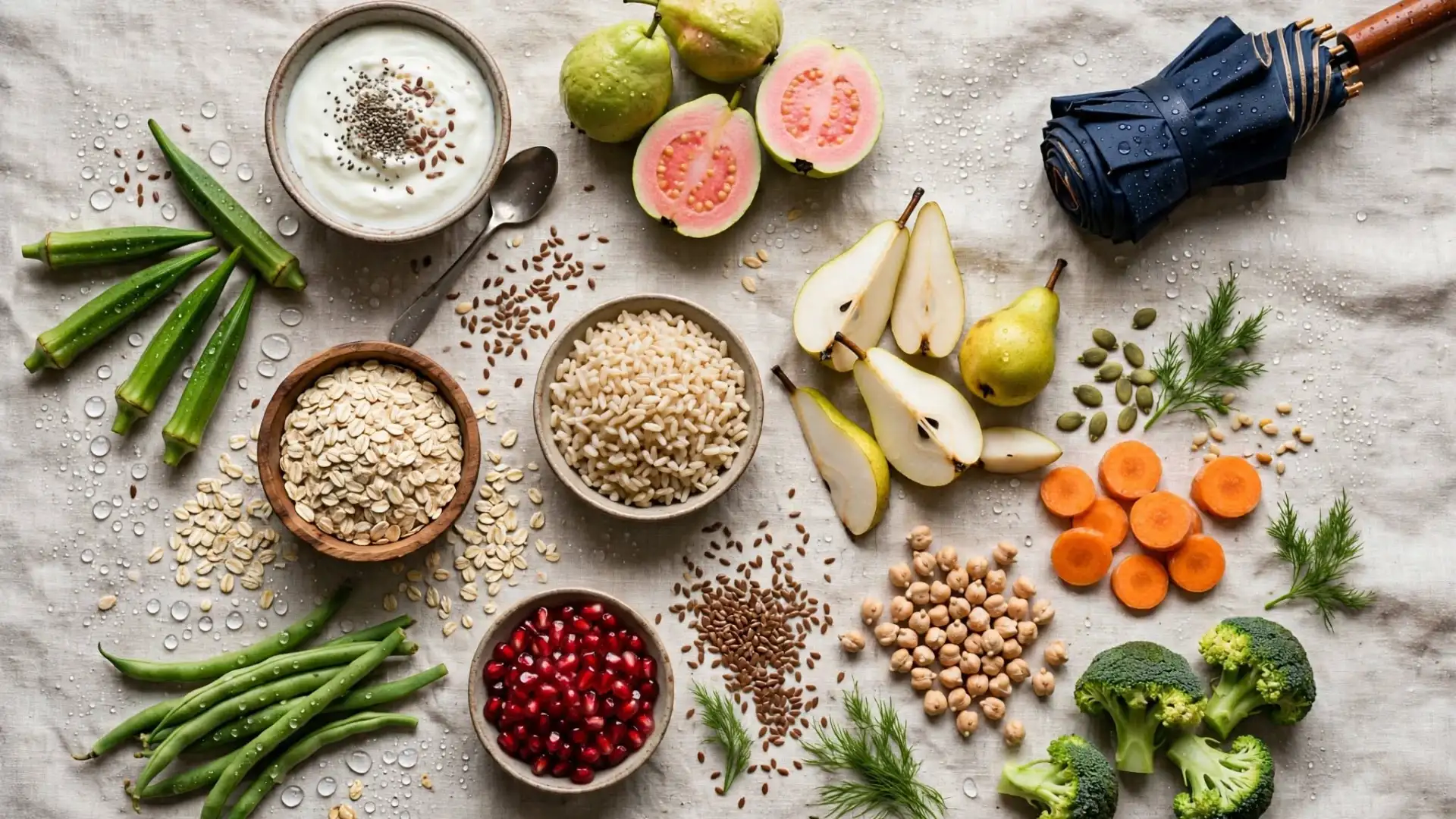
Heavy, greasy meals can feel uncomfortable, particularly when consumed in large portions. During the rainy season, try to keep meals balanced and avoid making fried snacks a daily habit.Include fibre-rich foods such as vegetables, fruits and whole grains according to your individual dietary needs. Eating slowly and chewing food properly may also help you avoid overeating.
You may also like
- Empowering Farmers Through Floriculture Training in Madhya Pradesh
- Updated WHO Guidelines: Why the 2026-27 Flu Vaccine Has Changed and Who Needs It Most
- ICMR Study Warns: Antibiotic Resistance Becomes Fatal Across Indian Hospitals
- The Hidden Dangers of Excess Weight: Does Obesity Actually Shorten Your Lifespan
- Decoding Fatty Liver: 5 Subtle Body Signals You Should Never Ignore According to Health Experts
For people searching for ways to improve digestion during monsoon , consistency is often more useful than following restrictive diets.
Keep Moving After Meals
Rainy weather can make it tempting to stay indoors and remain inactive. However, gentle physical activity can help maintain a regular routine.A short walk after a meal, where practical, can be an easy way to stay active. Avoid strenuous exercise immediately after eating and give your body time to settle.
Maintain Good Eating Habits
Try to maintain regular meal timings and avoid eating excessively late at night. Limit foods that you know personally trigger acidity, bloating or discomfort.If digestive symptoms are frequent, severe or persistent, consult a healthcare professional instead of assuming they are simply related to the weather. Small, sensible changes can support better digestion while keeping your monsoon routine enjoyable and practical.
Image Courtesy: Meta AI






Loving Newspoint? Download the app now
