
Flaxseeds Nutrition: Fibre, Plant Omega-3 and Everyday Uses

Flaxseeds, also known as alsi in many Indian households, are a convenient ingredient for adding variety to everyday meals. These small brown or golden seeds can be mixed into breakfast dishes, ground into chutney powders or added to homemade snacks.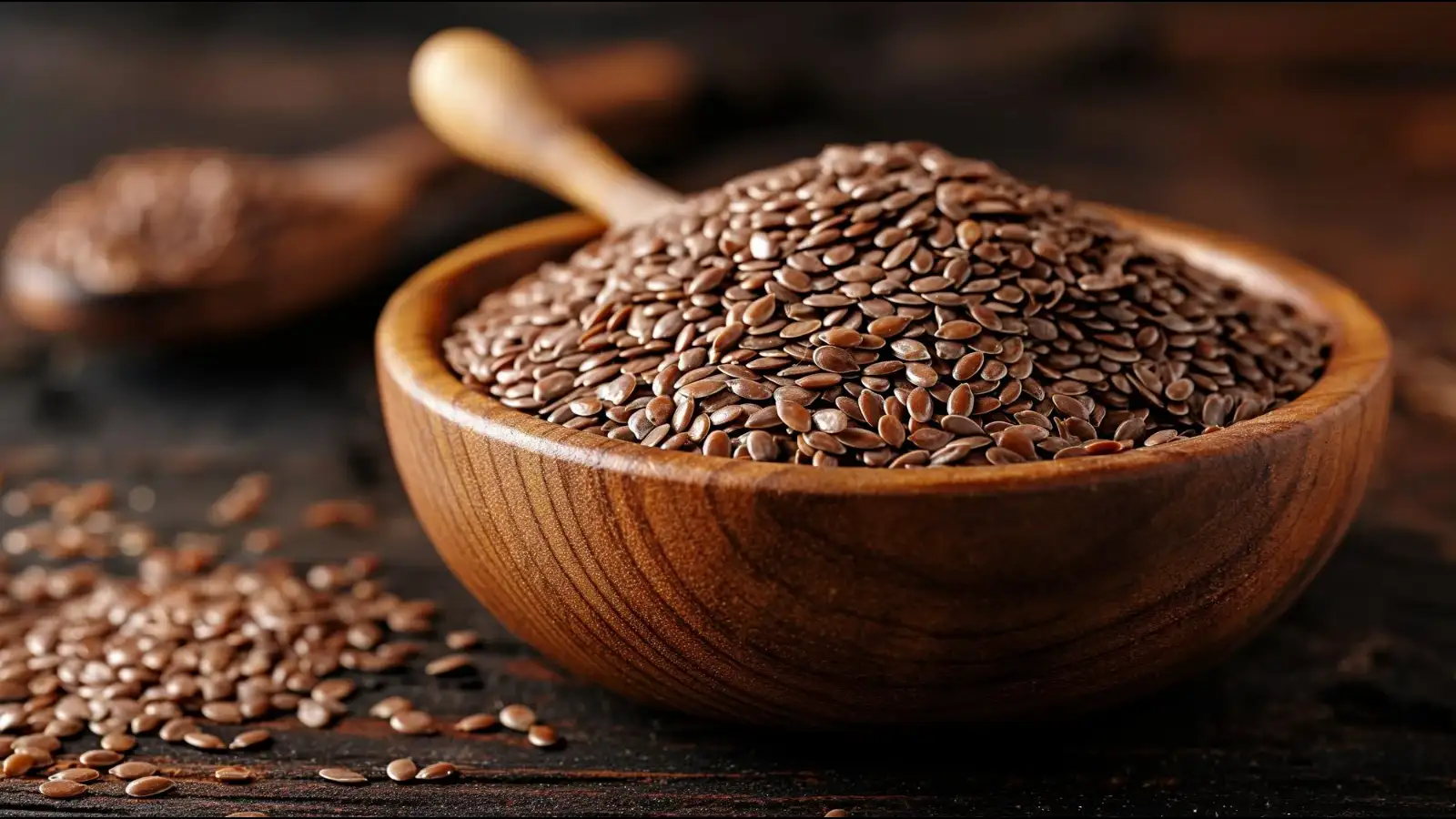
Their nutritional value comes from several components, including dietary fibre, alpha-linolenic acid (ALA), a plant-based omega-3 fatty acid, and lignans, which are naturally occurring plant compounds.
Although flaxseeds can contribute to a balanced diet, they are not a miracle food. Their benefits depend on the overall eating pattern, portion size and individual health needs.
People following vegetarian diets may find flaxseeds a convenient way to include ALA in their meals. Other plant sources include walnuts and certain vegetable oils.
However, ALA is not nutritionally identical to the omega-3 fatty acids found in oily fish. Flaxseeds should be considered one component of a varied diet rather than a complete solution to every nutritional requirement.
Ground flaxseeds are often easier to incorporate into meals than whole seeds. Grinding also makes their internal nutrients more accessible because some whole seeds may pass through the digestive system without being fully broken down.
Start with a small amount if you are not accustomed to eating fibre-rich foods. Increase your intake gradually and drink sufficient fluids to reduce the likelihood of bloating or digestive discomfort.
People with swallowing difficulties or certain intestinal conditions should seek professional advice before increasing their intake of seeds.
Eating flaxseeds does not replace prescribed treatment for high cholesterol, hypertension or heart disease.
For everyday heart health, combine a varied diet with regular physical activity, appropriate sleep and medical monitoring when needed.
For an Indian-style preparation, dry-roast the seeds lightly and grind them with roasted lentils and spices to make a chutney powder. Use the powder as an accompaniment to idli, dosa or rice.
Avoid adding large quantities to recipes without adjusting the moisture, as flaxseeds absorb liquid and can change the texture.
Flaxseeds may interact with certain medicines, and their fibre content can affect how some medicines are absorbed. If you take regular medication or have a medical condition, ask a healthcare professional about suitable timing and quantities.
Flaxseeds are a practical addition to a varied diet when used sensibly. Their value lies in their nutritional contribution, not in replacing balanced meals or medical care.
Their nutritional value comes from several components, including dietary fibre, alpha-linolenic acid (ALA), a plant-based omega-3 fatty acid, and lignans, which are naturally occurring plant compounds.
Although flaxseeds can contribute to a balanced diet, they are not a miracle food. Their benefits depend on the overall eating pattern, portion size and individual health needs.
1. A Source of Plant-Based Omega-3
Flaxseeds are a useful plant source of ALA, an essential fatty acid that the body cannot produce on its own. ALA contributes to normal bodily functions, and some of it can be converted into other omega-3 fatty acids, although this conversion is limited.People following vegetarian diets may find flaxseeds a convenient way to include ALA in their meals. Other plant sources include walnuts and certain vegetable oils.
However, ALA is not nutritionally identical to the omega-3 fatty acids found in oily fish. Flaxseeds should be considered one component of a varied diet rather than a complete solution to every nutritional requirement.
2. Fibre for Digestive Health
Flaxseeds contain soluble and insoluble fibre. Fibre helps support regular bowel movements, while soluble fibre can help form a gel-like substance in the digestive tract.Ground flaxseeds are often easier to incorporate into meals than whole seeds. Grinding also makes their internal nutrients more accessible because some whole seeds may pass through the digestive system without being fully broken down.
Start with a small amount if you are not accustomed to eating fibre-rich foods. Increase your intake gradually and drink sufficient fluids to reduce the likelihood of bloating or digestive discomfort.
People with swallowing difficulties or certain intestinal conditions should seek professional advice before increasing their intake of seeds.
3. Understanding Their Role in Heart Health
Flaxseeds contain fibre and ALA, both of which are relevant to cardiovascular nutrition. Some research suggests that flaxseed consumption may help improve certain measures of cholesterol or blood pressure, but the effects vary according to the preparation, quantity and individual circumstances.Eating flaxseeds does not replace prescribed treatment for high cholesterol, hypertension or heart disease.
For everyday heart health, combine a varied diet with regular physical activity, appropriate sleep and medical monitoring when needed.
4. Easy Ways to Eat Flaxseeds
Add a small spoonful of freshly ground flaxseeds to porridge, plain curd or a fruit smoothie. They can also be mixed into wholemeal roti dough or sprinkled over cooked vegetables.For an Indian-style preparation, dry-roast the seeds lightly and grind them with roasted lentils and spices to make a chutney powder. Use the powder as an accompaniment to idli, dosa or rice.
Avoid adding large quantities to recipes without adjusting the moisture, as flaxseeds absorb liquid and can change the texture.
5. Storage and Precautions
Whole flaxseeds generally keep better than ground seeds. Store them in an airtight container away from heat and moisture. Refrigerate ground flaxseeds to help preserve their quality.Flaxseeds may interact with certain medicines, and their fibre content can affect how some medicines are absorbed. If you take regular medication or have a medical condition, ask a healthcare professional about suitable timing and quantities.
Flaxseeds are a practical addition to a varied diet when used sensibly. Their value lies in their nutritional contribution, not in replacing balanced meals or medical care.
Next Story