
How to Introduce Two Cats Without Rushing Their First Meeting

Bringing a second cat home can change the atmosphere of a household, even when both animals have gentle temperaments. Cats often need time to adjust to unfamiliar scents, sounds and territory. Placing them together immediately may create fear or conflict that takes longer to resolve than a careful introduction.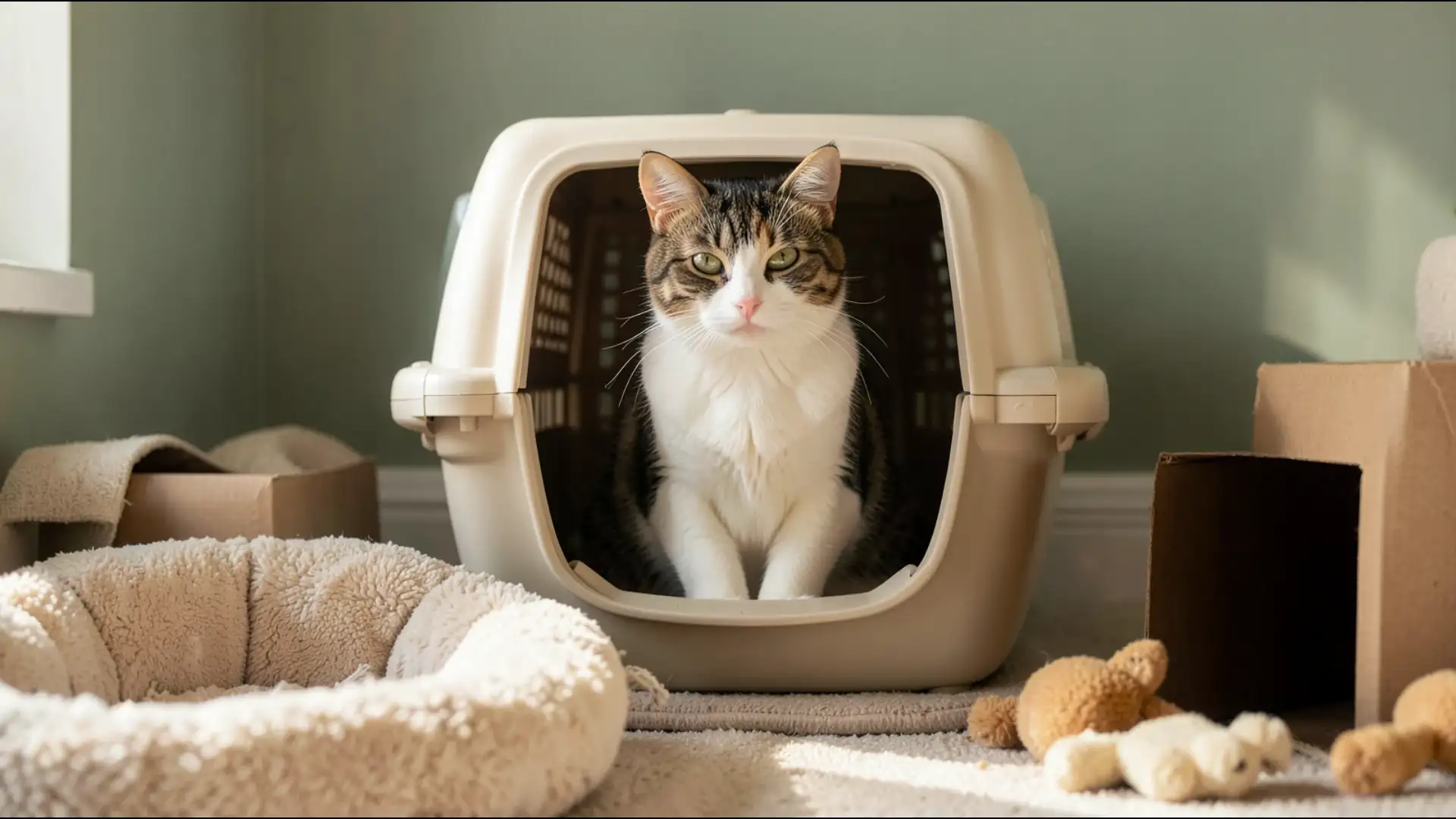
A staged approach gives each animal a secure space and lets curiosity develop at its own pace. Owners should watch behaviour rather than follow a fixed deadline. Some introductions progress within days, while others need several weeks, with pauses whenever either cat appears unsettled.
Exchange bedding or gently rub each cat's cheeks with separate soft cloths, then place the cloth in the other cat's area. Allow them to investigate without being brought nose to nose. Feed them on opposite sides of a closed door, starting far enough apart that both will eat comfortably.
If either cat stares intensely, growls, repeatedly swats at the barrier or refuses food, increase the distance and return to an earlier stage. Do not punish either animal; it can make the other cat's presence feel even more threatening.
Supervise early meetings. Let the cats approach and leave voluntarily.
If fighting causes injury, one cat stops eating, avoids the litter tray or remains persistently distressed, separate them and contact a vet. A qualified feline behaviour professional can help with difficult introductions. Success may simply mean the cats can pass one another calmly and use the home without conflict.
A staged approach gives each animal a secure space and lets curiosity develop at its own pace. Owners should watch behaviour rather than follow a fixed deadline. Some introductions progress within days, while others need several weeks, with pauses whenever either cat appears unsettled.
Give each cat a separate starting point
Prepare a quiet room for the newcomer with food, water, a litter tray, a hiding place, a scratching surface and somewhere to rest. Keep the resident cat's routine as normal as possible.Exchange bedding or gently rub each cat's cheeks with separate soft cloths, then place the cloth in the other cat's area. Allow them to investigate without being brought nose to nose. Feed them on opposite sides of a closed door, starting far enough apart that both will eat comfortably.
Move from scent to sight
When both cats seem relaxed around the other's scent, allow brief visual contact through a secure screen or tall barrier. Keep the first sessions short and pair them with food or play. End while the cats are still calm rather than waiting for a reaction.If either cat stares intensely, growls, repeatedly swats at the barrier or refuses food, increase the distance and return to an earlier stage. Do not punish either animal; it can make the other cat's presence feel even more threatening.
Provide enough separate resources
Competition can continue after cats begin sharing rooms. Provide several resting places, hiding spots and elevated areas so each animal can retreat. A commonly used guideline is one litter tray per cat, plus one extra, placed in separate accessible locations. Keep food and water stations apart rather than making the cats share a single feeding point.Supervise early meetings. Let the cats approach and leave voluntarily.
Allow the relationship to develop
Some cats become comfortable within days; others need weeks or longer. Continue separate feeding and litter arrangements if that keeps the household peaceful.If fighting causes injury, one cat stops eating, avoids the litter tray or remains persistently distressed, separate them and contact a vet. A qualified feline behaviour professional can help with difficult introductions. Success may simply mean the cats can pass one another calmly and use the home without conflict.
Next Story