
How to Keep a Long-Haired Dog’s Coat Tangle-Free Without Rushing Grooming

A long-haired dog’s coat may look lovely, but loose fur and tangles can become mats when grooming is neglected. Brushing is not just about appearance; it also gives owners a chance to notice burrs, skin irritation or unusual lumps. The routine depends on coat type, age, lifestyle and the dog’s tolerance of handling.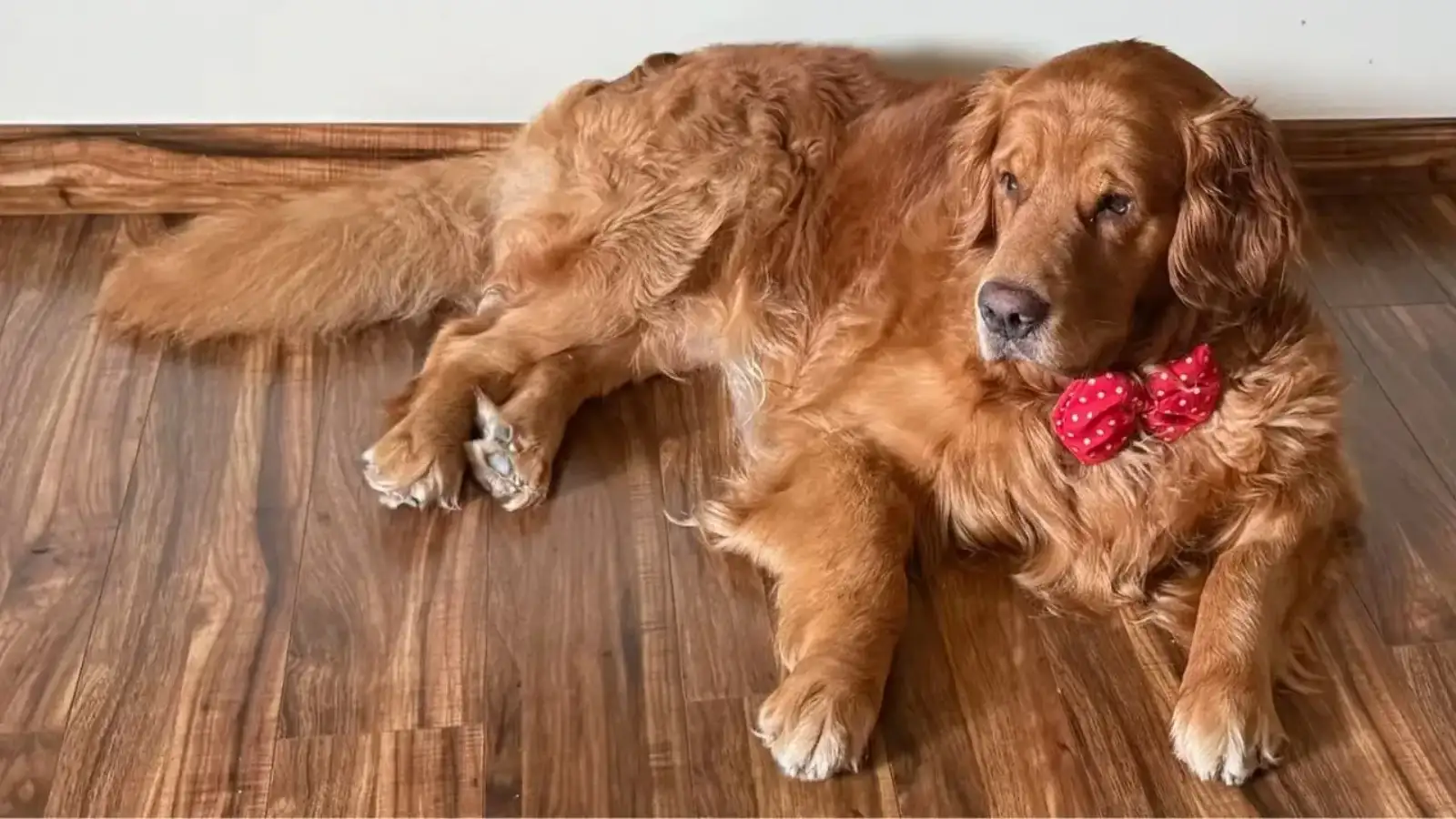
Some dogs need a daily brushing session, while others manage with less frequent brushing. A calm approach works better than trying to finish everything at once, with puppies, older dogs or pets that dislike being touched. Suitable tools and rewards can make coat care part of life.
Start when the dog is relaxed, in a quiet place with good light. Let the pet sniff the brush, then reward calm behaviour. Work in short sessions and stop before the dog becomes frustrated. Gentle handling can build tolerance.
If a mat is tight, close to the skin or painful, do not try to cut it out with scissors. A dog may move suddenly, and the skin can be caught in the mat. Ask a professional groomer or veterinary team to remove severe tangles safely. Seek advice if you notice redness, sores, persistent scratching or a sudden change in coat condition.
Bathing does not replace brushing, and washing a tangled coat can make mats harder to manage. If a bath is needed, use a dog-appropriate shampoo and dry the coat thoroughly according to professional guidance. Keep the experience calm, avoid forcing the dog into a long session and ask for help when grooming becomes difficult. Consistent, gentle care is safer than a rushed attempt to make the coat look perfect.
Some dogs need a daily brushing session, while others manage with less frequent brushing. A calm approach works better than trying to finish everything at once, with puppies, older dogs or pets that dislike being touched. Suitable tools and rewards can make coat care part of life.
Choose tools for the coat
A slicker brush, comb or soft bristle brush may be suitable, depending on the dog’s fur. Ask a groomer or vet which tools fit your pet’s coat rather than buying a set based only on appearance. Long, silky coats often need more frequent attention than short coats, and dense undercoats may require a different technique.You may also like
- Zepto: Why is it under fire now..?
- Mahindra Scorpio: New clues emerge from South Africa testing..
- You can check the prices yourself on the app before purchasing medicines; if you are overcharged, file a complaint immediately..
- Keep these 5 things in mind before buying a car on a loan this Diwali..
- Was Chandravali Really Radha's Biggest Rival in Love?
Start when the dog is relaxed, in a quiet place with good light. Let the pet sniff the brush, then reward calm behaviour. Work in short sessions and stop before the dog becomes frustrated. Gentle handling can build tolerance.
Brush gently and systematically
Move through small sections instead of dragging the brush across the entire coat. Pay attention to areas where tangles commonly form, such as behind the ears, under the collar, around the legs and near the tail. Hold the hair near the skin when easing out a small tangle to reduce pulling. Never yank at knots or brush irritated skin.If a mat is tight, close to the skin or painful, do not try to cut it out with scissors. A dog may move suddenly, and the skin can be caught in the mat. Ask a professional groomer or veterinary team to remove severe tangles safely. Seek advice if you notice redness, sores, persistent scratching or a sudden change in coat condition.
Make grooming a positive routine
Finish with praise, a play break or a suitable treat. Check the brush for trapped fur and clean it regularly, then store grooming tools where the dog cannot chew them. During shedding periods, you may need to brush more often, but the right frequency depends on breed and coat.Bathing does not replace brushing, and washing a tangled coat can make mats harder to manage. If a bath is needed, use a dog-appropriate shampoo and dry the coat thoroughly according to professional guidance. Keep the experience calm, avoid forcing the dog into a long session and ask for help when grooming becomes difficult. Consistent, gentle care is safer than a rushed attempt to make the coat look perfect.






Loving Newspoint? Download the app now
