
10 Easy Ways to Keep Indoor Cats Happy, Active and Entertained

Indoor cats may have a comfortable bed, regular meals and a safe place to sleep, but they also need opportunities to explore, play and use their natural instincts. In the wild, cats spend time observing their surroundings, stalking prey, climbing and investigating unfamiliar smells. When they live indoors, many of these activities need to be recreated through play and environmental enrichment.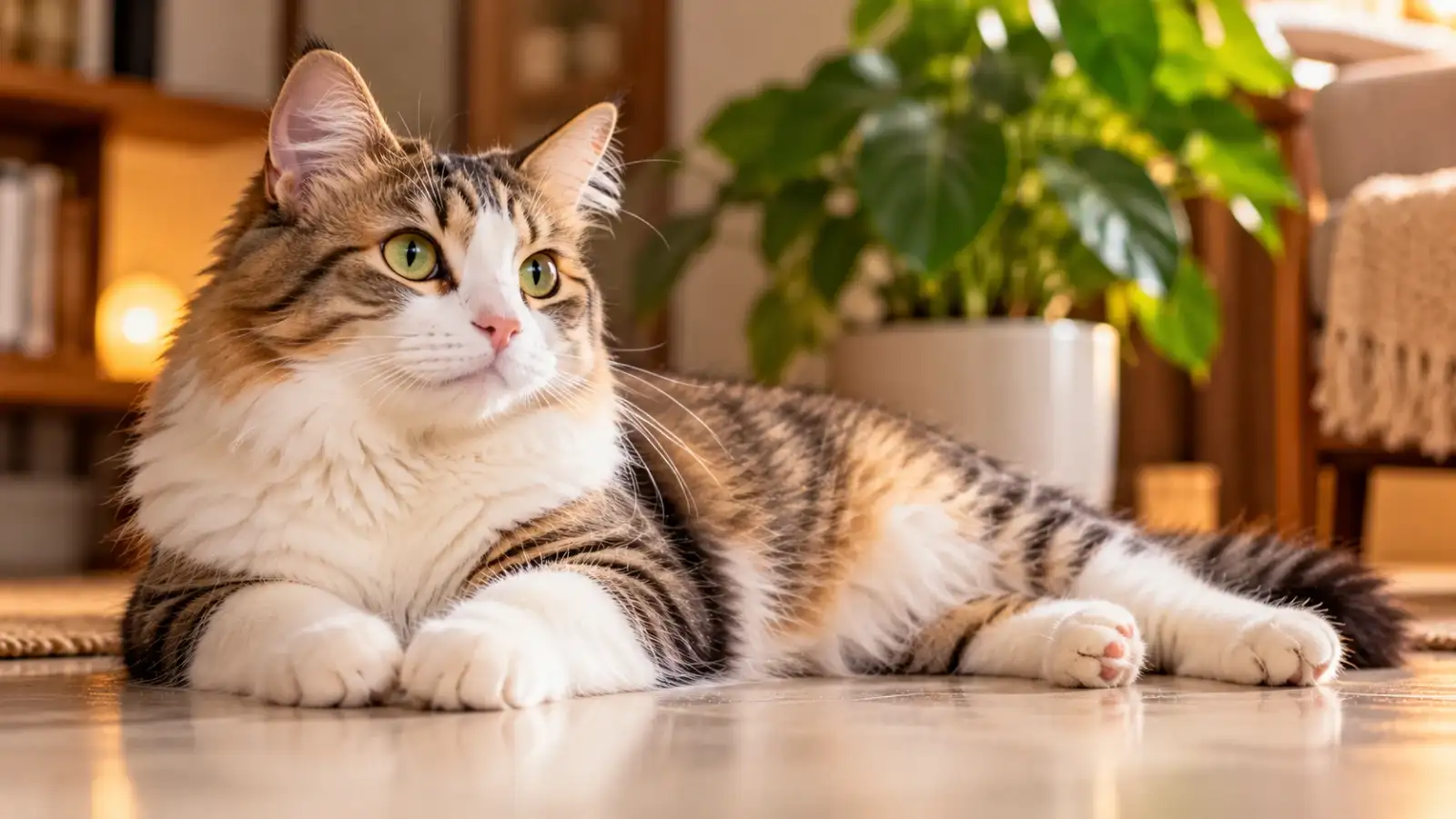
Without enough stimulation, some cats may become restless, inactive or overly demanding of attention. Fortunately, keeping an indoor cat mentally engaged does not require expensive toys or constant supervision. A few simple activities, a stimulating home environment and a consistent routine can make a meaningful difference.
A feather wand, a soft toy attached to a suitable fishing-rod-style toy or a small moving toy can provide an engaging activity. Move the toy across the floor, briefly hide it behind furniture and change its direction to recreate the unpredictability of hunting.
Several short sessions throughout the day may work better than one long session. Adjust the duration to your cat's age, health and interest, and allow the cat to catch the toy occasionally.
Always supervise toys with strings or cords, and put them away after play to prevent accidental swallowing or entanglement.
Start with an easy puzzle that allows your cat to see and access the food without becoming frustrated. You can also hide a few pieces of your cat's usual dry food in safe, accessible locations around one room.
As your cat becomes more confident, gradually vary the hiding places. A cardboard box containing loosely crumpled paper can also provide a simple foraging activity, provided the materials are safe and supervised.
Use part of the cat's regular food allowance for these games and account for treats in its daily diet. The aim is to encourage natural searching behaviour without overfeeding.
Vertical space is particularly useful in smaller homes because it expands the areas a cat can explore without requiring more floor space.
Make sure climbing structures are stable and offer safe routes up and down. Older cats or those with mobility problems may prefer low platforms with intermediate steps rather than tall towers.
Place a perch near a secure window where your cat can watch birds, passing people or moving leaves. This provides visual stimulation even when nobody is available to play.
Try leaving out a small selection and storing the rest. After a few days, swap some toys for others to introduce variety without continually buying new items.
Different cats prefer different activities. One may enjoy chasing a lightweight ball, while another prefers batting a soft toy or investigating a cardboard tunnel.
Observe what attracts your cat's attention and rotate toys accordingly. Avoid objects with loose parts, sharp edges or components small enough to swallow.
Place a clean box on the floor, add a familiar blanket if appropriate and allow your cat to explore at its own pace. You can place a toy nearby or encourage the cat to investigate with a few pieces of its usual food.
Paper bags without handles may also provide temporary exploration opportunities under supervision. Avoid plastic bags, staples, exposed adhesive and any material that could cause choking or entanglement.
Keep quiet hiding places available as well. Mental stimulation should not mean constant activity, and cats need the freedom to withdraw when they want to rest.
You could offer a clean cardboard box that has been stored in a different room, a familiar blanket moved to a new location or a cat-safe plant such as cat grass.
Some cats respond to catnip or silver vine, while others show little interest. Reactions vary, so introduce these options in small amounts and observe your cat's response.
Avoid using essential oils, scented cleaning products or unknown plants as enrichment tools. Some substances and plants can be harmful to cats, and a new smell should never compromise their safety.
Begin with a simple behaviour, such as coming when called, touching a target or sitting briefly. Reward the behaviour with a small treat or another reward your cat values.
Keep sessions brief and end while the cat is still interested. Never punish a cat for failing to respond or force it to continue when it wants to leave.
Not every cat will enjoy the same training activities. Some prefer chasing toys or solving food puzzles, so training should be an additional option rather than a compulsory part of the routine.
If possible, place a stable perch nearby so the cat can sit comfortably while observing the outside world. Ensure windows and balcony doors are securely screened or otherwise protected against falls and escape.
If outdoor animals make your cat agitated rather than interested, adjust the view or move the perch. The purpose is to provide enjoyable stimulation, not create a source of stress.
Window watching should complement other activities rather than replace play, exploration and social interaction.
For example, you might offer a short play session in the morning, leave a safe puzzle feeder for part of the day and play again in the evening. Quiet time and uninterrupted sleep should remain part of the schedule.
Cats naturally sleep for much of the day, so there is no need to keep them awake or active constantly. The goal is to provide meaningful opportunities for engagement when they are alert and interested.
If your cat is alone for several hours, prepare the environment in advance with safe toys, comfortable resting places and access to water and a clean litter tray.
Other possible changes include excessive grooming, reduced activity, weight gain or increased conflict with other pets. These behaviours do not automatically mean boredom; pain, illness, anxiety and other medical issues can produce similar signs.
Introduce enrichment gradually and observe what your cat enjoys. If a behaviour changes suddenly, persists or is accompanied by changes in appetite, toileting or movement, consult a veterinarian rather than assuming the problem is simply a lack of stimulation.
Interactive play, food puzzles, climbing spaces, scent exploration and reward-based training can all contribute to a more engaging home environment. The best approach combines variety with safety and respects each cat's individual preferences.
You do not need to fill your home with expensive equipment or entertain your pet every minute. Consistent, manageable activities and a comfortable environment can help indoor cats lead more active and satisfying lives.
Without enough stimulation, some cats may become restless, inactive or overly demanding of attention. Fortunately, keeping an indoor cat mentally engaged does not require expensive toys or constant supervision. A few simple activities, a stimulating home environment and a consistent routine can make a meaningful difference.
1. Schedule Short Interactive Play Sessions
Interactive play is one of the most effective ways to keep indoor cats mentally and physically active. Toys that imitate the movements of prey can encourage cats to stalk, chase, leap and pounce.A feather wand, a soft toy attached to a suitable fishing-rod-style toy or a small moving toy can provide an engaging activity. Move the toy across the floor, briefly hide it behind furniture and change its direction to recreate the unpredictability of hunting.
Several short sessions throughout the day may work better than one long session. Adjust the duration to your cat's age, health and interest, and allow the cat to catch the toy occasionally.
Always supervise toys with strings or cords, and put them away after play to prevent accidental swallowing or entanglement.
2. Introduce Food Puzzles and Treat-Hunting Games
Mealtimes can become an opportunity for mental stimulation instead of simply eating from a bowl. Puzzle feeders encourage cats to investigate, paw at objects and work out how to reach their food.Start with an easy puzzle that allows your cat to see and access the food without becoming frustrated. You can also hide a few pieces of your cat's usual dry food in safe, accessible locations around one room.
As your cat becomes more confident, gradually vary the hiding places. A cardboard box containing loosely crumpled paper can also provide a simple foraging activity, provided the materials are safe and supervised.
Use part of the cat's regular food allowance for these games and account for treats in its daily diet. The aim is to encourage natural searching behaviour without overfeeding.
3. Create Safe Climbing and Perching Spaces
Cats often enjoy observing their surroundings from elevated positions. A sturdy cat tree, secure shelves or a window perch can provide opportunities to climb, look around and choose a comfortable resting spot.Vertical space is particularly useful in smaller homes because it expands the areas a cat can explore without requiring more floor space.
Make sure climbing structures are stable and offer safe routes up and down. Older cats or those with mobility problems may prefer low platforms with intermediate steps rather than tall towers.
Place a perch near a secure window where your cat can watch birds, passing people or moving leaves. This provides visual stimulation even when nobody is available to play.
4. Rotate Toys Instead of Leaving Everything Out
Cats can lose interest in toys that remain in the same place every day. Keeping every toy available at once may also make individual objects less interesting.Try leaving out a small selection and storing the rest. After a few days, swap some toys for others to introduce variety without continually buying new items.
Different cats prefer different activities. One may enjoy chasing a lightweight ball, while another prefers batting a soft toy or investigating a cardboard tunnel.
Observe what attracts your cat's attention and rotate toys accordingly. Avoid objects with loose parts, sharp edges or components small enough to swallow.
5. Provide Cardboard Boxes and Hiding Places
A simple cardboard box can become a hiding spot, a play area or a place from which a cat observes the room. Cats often enjoy investigating enclosed spaces because they provide a sense of security.Place a clean box on the floor, add a familiar blanket if appropriate and allow your cat to explore at its own pace. You can place a toy nearby or encourage the cat to investigate with a few pieces of its usual food.
Paper bags without handles may also provide temporary exploration opportunities under supervision. Avoid plastic bags, staples, exposed adhesive and any material that could cause choking or entanglement.
Keep quiet hiding places available as well. Mental stimulation should not mean constant activity, and cats need the freedom to withdraw when they want to rest.
6. Let Your Cat Explore Different Scents
Smell plays an important role in how cats investigate their environment. Introducing safe, unfamiliar scents can provide a change from the everyday surroundings of the home.You could offer a clean cardboard box that has been stored in a different room, a familiar blanket moved to a new location or a cat-safe plant such as cat grass.
Some cats respond to catnip or silver vine, while others show little interest. Reactions vary, so introduce these options in small amounts and observe your cat's response.
Avoid using essential oils, scented cleaning products or unknown plants as enrichment tools. Some substances and plants can be harmful to cats, and a new smell should never compromise their safety.
7. Teach Simple Tricks Using Rewards
Cats can learn through reward-based training. Short sessions can encourage concentration, build confidence and strengthen the relationship between a cat and its owner.Begin with a simple behaviour, such as coming when called, touching a target or sitting briefly. Reward the behaviour with a small treat or another reward your cat values.
Keep sessions brief and end while the cat is still interested. Never punish a cat for failing to respond or force it to continue when it wants to leave.
Not every cat will enjoy the same training activities. Some prefer chasing toys or solving food puzzles, so training should be an additional option rather than a compulsory part of the routine.
8. Make Window Watching More Interesting
A secure window can offer hours of low-effort entertainment. Birds, insects, passing people and changing daylight provide a constantly changing view.If possible, place a stable perch nearby so the cat can sit comfortably while observing the outside world. Ensure windows and balcony doors are securely screened or otherwise protected against falls and escape.
If outdoor animals make your cat agitated rather than interested, adjust the view or move the perch. The purpose is to provide enjoyable stimulation, not create a source of stress.
Window watching should complement other activities rather than replace play, exploration and social interaction.
9. Build a Predictable Daily Routine
Cats often benefit from predictable opportunities for play, food and rest. A routine helps them anticipate activities and makes enrichment easier to maintain.For example, you might offer a short play session in the morning, leave a safe puzzle feeder for part of the day and play again in the evening. Quiet time and uninterrupted sleep should remain part of the schedule.
Cats naturally sleep for much of the day, so there is no need to keep them awake or active constantly. The goal is to provide meaningful opportunities for engagement when they are alert and interested.
If your cat is alone for several hours, prepare the environment in advance with safe toys, comfortable resting places and access to water and a clean litter tray.
10. Watch for Signs of Boredom or Stress
A cat's behaviour can offer clues about whether its environment meets its needs. Some cats may become unusually vocal, scratch furniture more frequently, demand constant attention or show little interest in their surroundings.You may also like
- “In Indian families, parents won't go for medical tests because…”: Ekta Kapoor on the mindset of many Indian parents and her father Jeetendra's money lesson
- 'My son': Indian pilot Smit Machchhar recalls the thought that kept him fighting during the terrifying mid-air attack
- When his mother fell seriously ill, Bihar's Monu Meturbala prayed for her recovery and made a promise to Lord Shiva; today, the 19-year-old is running thousands of kilometres to visit 12 Jyotirlingas
- 10 Amazing Benefits of Reetha for Hair
- 5 Daily Habits To Help You Prevent Hair Loss
Other possible changes include excessive grooming, reduced activity, weight gain or increased conflict with other pets. These behaviours do not automatically mean boredom; pain, illness, anxiety and other medical issues can produce similar signs.
Introduce enrichment gradually and observe what your cat enjoys. If a behaviour changes suddenly, persists or is accompanied by changes in appetite, toileting or movement, consult a veterinarian rather than assuming the problem is simply a lack of stimulation.
A Simple Daily Enrichment Routine for Indoor Cats
A practical schedule does not need to be complicated. You can adapt this example to your cat's habits and energy level.- Morning: Offer a short interactive play session followed by breakfast.
- Midday: Provide a safe food puzzle, a familiar toy or a window-viewing opportunity.
- Afternoon: Let your cat explore a cardboard box or use its climbing and scratching areas.
- Evening: Play another short hunting-style game and offer a meal according to its normal feeding routine.
- Throughout the day: Keep fresh water, clean litter facilities, comfortable resting areas and quiet hiding places available.
Why Mental Stimulation Matters for Indoor Cats
Keeping indoor cats mentally stimulated is about more than preventing mischief. Enrichment allows them to express natural behaviours, explore their surroundings and make choices about how they spend their time.Interactive play, food puzzles, climbing spaces, scent exploration and reward-based training can all contribute to a more engaging home environment. The best approach combines variety with safety and respects each cat's individual preferences.
You do not need to fill your home with expensive equipment or entertain your pet every minute. Consistent, manageable activities and a comfortable environment can help indoor cats lead more active and satisfying lives.






Loving Newspoint? Download the app now
