
How to Keep Indoor Plants Healthy When Winter Days Become Shorter

Indoor plants can bring life, freshness and a touch of greenery into any home. However, keeping them healthy during winter can become a little challenging, especially when the days get shorter and natural sunlight becomes limited. With fewer hours of daylight, lower temperatures and changes in indoor humidity, plants may grow more slowly, develop yellow leaves or appear less vibrant than usual.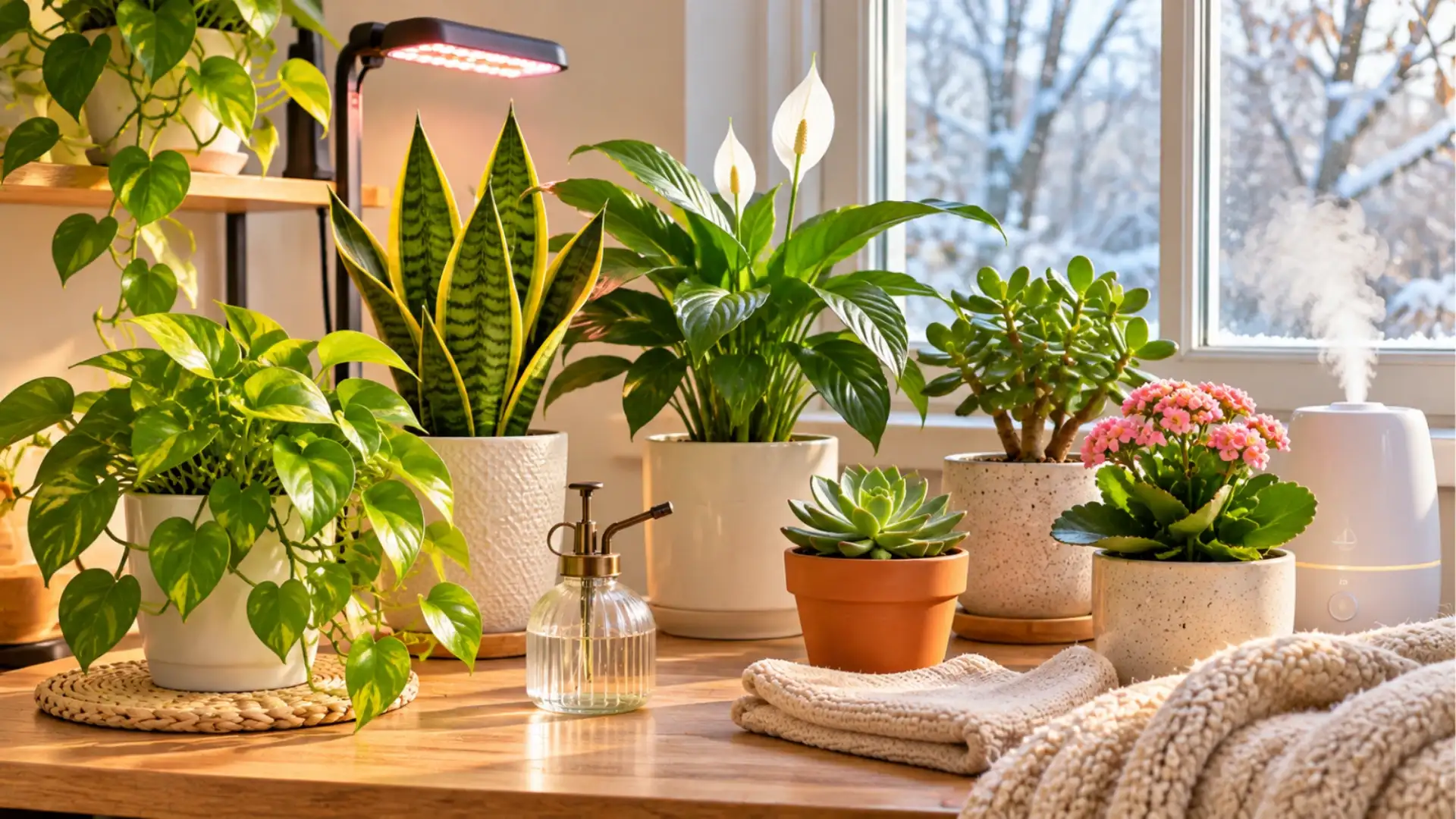
The good news is that you do not need to make drastic changes to your plant care routine to help your indoor garden survive winter. A few simple adjustments to watering, lighting, temperature and humidity can make a big difference. Whether you have low-maintenance succulents, leafy houseplants or flowering indoor plants, here are some easy ways to keep them healthy when winter days become shorter.
To help your indoor plants receive enough sunlight, move them closer to windows that get good natural light. South-facing windows generally receive more sunlight in the Northern Hemisphere, making them a useful spot for many light-loving houseplants.
You can also rotate your plant pots every few weeks so that all sides receive relatively even exposure. However, avoid placing plants too close to cold windowpanes, as chilly temperatures can damage sensitive leaves.
Instead of watering your plants on a fixed schedule, check the soil before adding more water. For many common houseplants, allowing the top layer of soil to dry out before watering again can help prevent excess moisture.
Remember that different plants have different watering requirements. Succulents and cacti generally need much less water than tropical houseplants, so adjust your routine according to the specific needs of each plant.
Keep your plants away from frequently opened doors, cold windows and air-conditioning vents. Similarly, avoid placing them directly next to heaters, radiators or fireplaces, as excessive heat can dry out their leaves and surrounding soil.
Try to maintain a comfortable and consistent indoor environment. If you notice leaves turning brown, curling or dropping unexpectedly, check whether the plant is being exposed to temperature fluctuations.
Low humidity may cause brown leaf tips, dry edges and curled leaves. To maintain suitable moisture levels, consider using a humidifier in the room where you keep your plants.
You can also group plants together to create a slightly more humid environment around them. Placing pots on a pebble tray filled with water is another option, provided the bottom of the pots stays above the water level.
Keep in mind that misting plants is not a reliable long-term solution for increasing humidity, as its effects are usually temporary.
These lights are designed to support plant growth by providing the wavelengths of light that plants use for photosynthesis. They can be particularly useful for plants placed in darker rooms or homes with limited window exposure.
Choose a suitable grow light based on the type of plants you own and follow the recommended distance and duration of use. Avoid keeping grow lights switched on throughout the day and night, as plants also benefit from a regular period of darkness.
Many houseplants enter a period of slower growth during colder months because of reduced daylight and lower temperatures. Adding too much fertiliser when plants are not actively growing can lead to a build-up of salts in the soil and potentially damage their roots.
For most common houseplants, it is better to reduce or pause fertilising during winter and resume regular feeding when active growth returns in spring. However, some plants continue growing throughout the year and may have different nutritional requirements.
Shorter winter days do not mean that your indoor plants have to lose their freshness or struggle to survive. With a few changes to your regular plant care routine, you can help them stay healthy throughout the colder months.
Focus on providing adequate light, adjusting watering habits, maintaining comfortable temperatures and keeping an eye on humidity levels. Most importantly, remember that many plants naturally grow more slowly during winter.
A little extra attention and consistency can help your indoor garden remain green, healthy and beautiful until spring arrives.
The good news is that you do not need to make drastic changes to your plant care routine to help your indoor garden survive winter. A few simple adjustments to watering, lighting, temperature and humidity can make a big difference. Whether you have low-maintenance succulents, leafy houseplants or flowering indoor plants, here are some easy ways to keep them healthy when winter days become shorter.
1. Make the Most of Available Natural Light
One of the biggest challenges for indoor plants during winter is the reduced availability of natural sunlight. Shorter days mean fewer hours of light, which can affect photosynthesis and slow down plant growth.To help your indoor plants receive enough sunlight, move them closer to windows that get good natural light. South-facing windows generally receive more sunlight in the Northern Hemisphere, making them a useful spot for many light-loving houseplants.
You can also rotate your plant pots every few weeks so that all sides receive relatively even exposure. However, avoid placing plants too close to cold windowpanes, as chilly temperatures can damage sensitive leaves.
2. Adjust Your Watering Routine
Indoor plants usually need less water during winter because lower temperatures and reduced sunlight can slow down their growth and water consumption. Continuing the same watering schedule you followed during summer may lead to overwatering and root rot.Instead of watering your plants on a fixed schedule, check the soil before adding more water. For many common houseplants, allowing the top layer of soil to dry out before watering again can help prevent excess moisture.
Remember that different plants have different watering requirements. Succulents and cacti generally need much less water than tropical houseplants, so adjust your routine according to the specific needs of each plant.
3. Maintain the Right Indoor Temperature
Cold drafts and sudden temperature changes can put stress on indoor plants during winter. While some plants can tolerate cooler conditions, many popular houseplants prefer relatively stable indoor temperatures.Keep your plants away from frequently opened doors, cold windows and air-conditioning vents. Similarly, avoid placing them directly next to heaters, radiators or fireplaces, as excessive heat can dry out their leaves and surrounding soil.
Try to maintain a comfortable and consistent indoor environment. If you notice leaves turning brown, curling or dropping unexpectedly, check whether the plant is being exposed to temperature fluctuations.
4. Increase Indoor Humidity
Winter air can become particularly dry, especially when heaters are used indoors. This can affect tropical houseplants that naturally grow in humid environments.Low humidity may cause brown leaf tips, dry edges and curled leaves. To maintain suitable moisture levels, consider using a humidifier in the room where you keep your plants.
You can also group plants together to create a slightly more humid environment around them. Placing pots on a pebble tray filled with water is another option, provided the bottom of the pots stays above the water level.
Keep in mind that misting plants is not a reliable long-term solution for increasing humidity, as its effects are usually temporary.
5. Consider Using Grow Lights
If your home does not receive enough natural sunlight during winter, grow lights can help provide additional light for indoor plants.These lights are designed to support plant growth by providing the wavelengths of light that plants use for photosynthesis. They can be particularly useful for plants placed in darker rooms or homes with limited window exposure.
Choose a suitable grow light based on the type of plants you own and follow the recommended distance and duration of use. Avoid keeping grow lights switched on throughout the day and night, as plants also benefit from a regular period of darkness.
6. Avoid Over-Fertilising Your Plants
Fertilising is important for plant growth, but winter is generally not the best time to increase feeding for most indoor plants.Many houseplants enter a period of slower growth during colder months because of reduced daylight and lower temperatures. Adding too much fertiliser when plants are not actively growing can lead to a build-up of salts in the soil and potentially damage their roots.
For most common houseplants, it is better to reduce or pause fertilising during winter and resume regular feeding when active growth returns in spring. However, some plants continue growing throughout the year and may have different nutritional requirements.
Shorter winter days do not mean that your indoor plants have to lose their freshness or struggle to survive. With a few changes to your regular plant care routine, you can help them stay healthy throughout the colder months.
Focus on providing adequate light, adjusting watering habits, maintaining comfortable temperatures and keeping an eye on humidity levels. Most importantly, remember that many plants naturally grow more slowly during winter.
A little extra attention and consistency can help your indoor garden remain green, healthy and beautiful until spring arrives.
Next Story