
How to Keep Pets Calm and Safe During Diwali Celebrations

A dog's hearing range extends well beyond what a human ear catches, and the sudden crack of a firecracker lands at a volume that can cause genuine pain. Cats rely on a stable, predictable environment to feel safe, and a night of unpredictable booms and flashing light dismantles that entirely. The stress response in both species is physical: heart rate climbs, muscles tighten, and the animal looks for any exit. Understanding this makes it easier to plan around it rather than simply hoping for the best.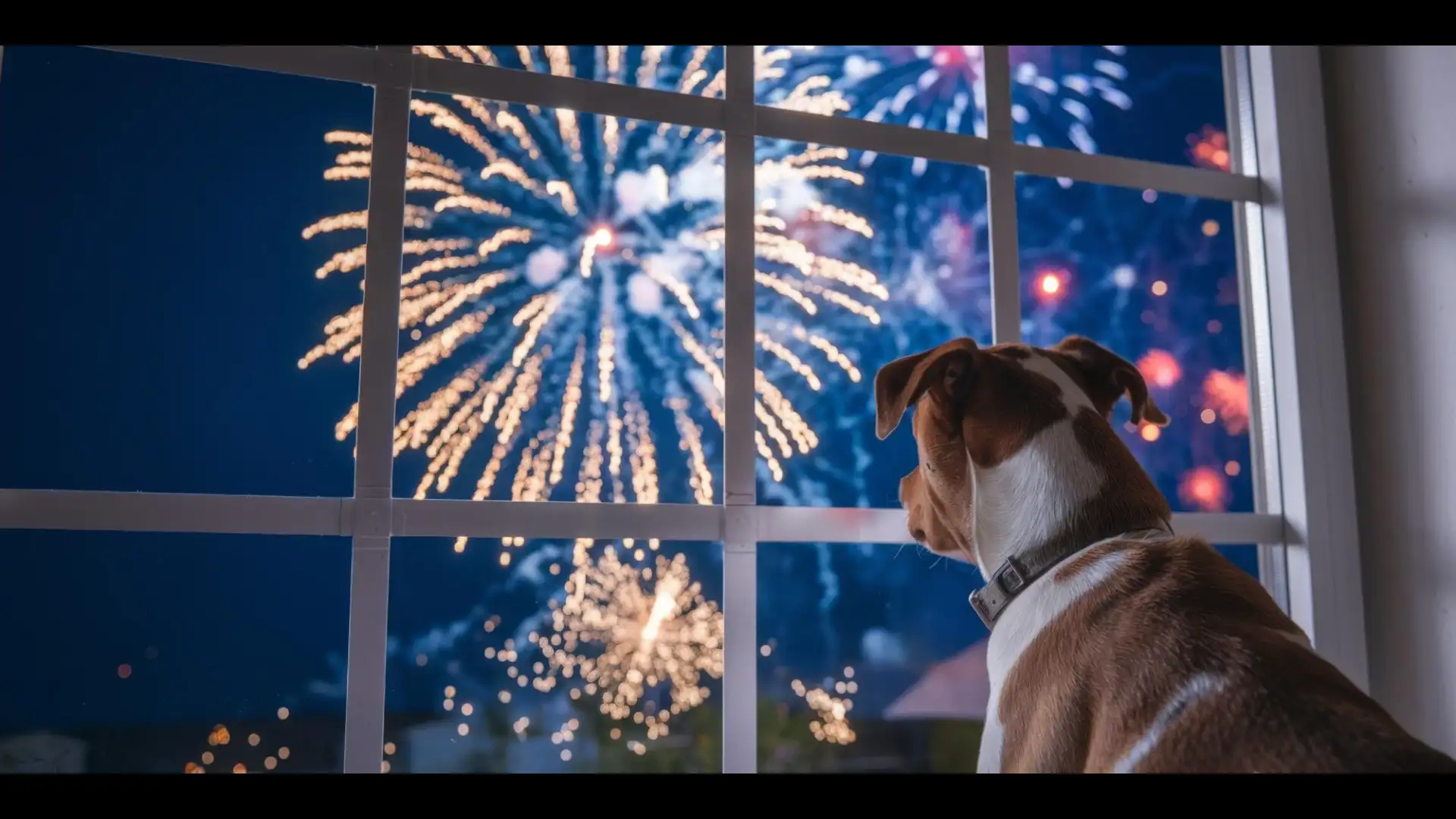

Turn on a fan or a television at moderate volume before the noise begins. The goal is a steady background sound that the pet can habituate to, so that each new burst outside does not arrive against complete silence. Silence makes every bang louder by contrast.
Check that your pet's collar carries a current contact number. If your dog is microchipped, confirm with your vet that the registration details are accurate. A pet that panics and escapes during the night has a far better chance of coming home if someone can reach you quickly. These are not Diwali-specific steps, but Diwali is the night they matter most.
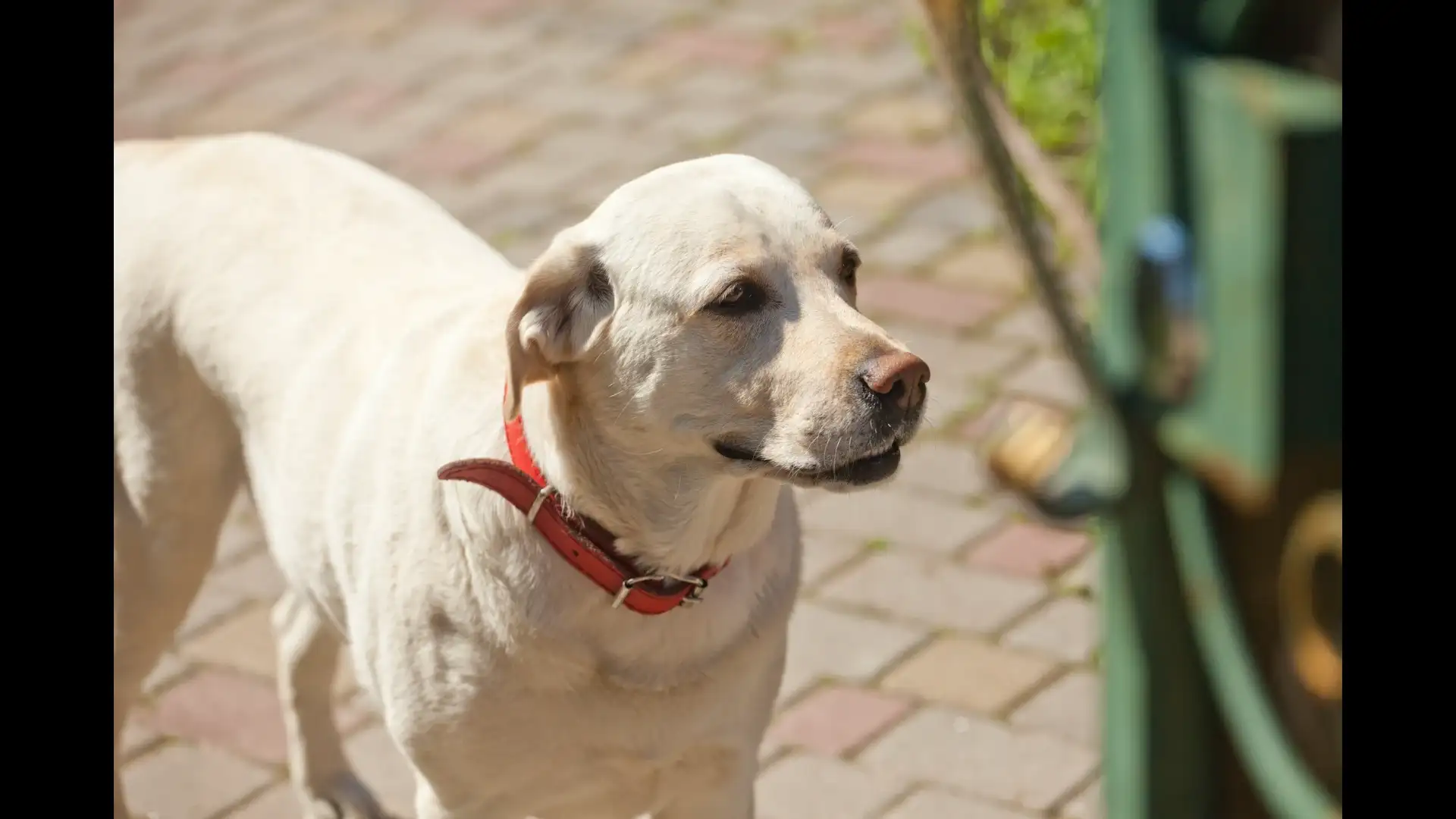
If your dog paces or trembles, do not force it to sit still. Let it move to wherever it feels safest, even if that is under a bed or behind a toilet. Restricting a frightened animal adds to the distress. Offer a long-lasting chew or a food puzzle if the animal is calm enough to take it. Eating and chewing have a mild physiological calming effect.
For animals with a history of severe anxiety during loud events, speak to a veterinarian before the season. There are options available, from behavioural techniques to short-term support, that a vet can assess for your specific animal. Do not administer any medication without that conversation.
The food and sweets around during Diwali also carry real risk. Mithai made with chocolate, raisins, or xylitol-sweetened ingredients can be seriously harmful to dogs. Keep the sweet boxes out of reach and make sure guests know not to share.
A little preparation, most of it done in daylight, is what separates a difficult night from a manageable one. The fireworks are unpredictable. The room you set up for your pet is not.
Prepare the Space Before Dark
Pick one room that your pet already associates with rest. Close the windows and draw the curtains. The curtains muffle sound and block the flash of aerial fireworks, both of which trigger the startle reflex. Lay down familiar bedding, leave a worn piece of your clothing nearby, and place water and food where the animal can reach them without crossing the room. If your dog uses a crate by choice, leave it open and covered with a blanket on three sides. The den shape reduces the sense of exposure.Turn on a fan or a television at moderate volume before the noise begins. The goal is a steady background sound that the pet can habituate to, so that each new burst outside does not arrive against complete silence. Silence makes every bang louder by contrast.
Keep Them Indoors and Identifiable
Walk dogs earlier in the day, well before dusk. Once fireworks begin, keep all pets inside and latch every door and window that leads outside. A frightened dog will bolt through an opening it has never used before. A frightened cat will find gaps you did not know existed.Check that your pet's collar carries a current contact number. If your dog is microchipped, confirm with your vet that the registration details are accurate. A pet that panics and escapes during the night has a far better chance of coming home if someone can reach you quickly. These are not Diwali-specific steps, but Diwali is the night they matter most.
What Helps During the Noise
Stay home if you can. Your presence is the single most effective calming signal for most dogs. Sit near them, speak in an ordinary tone, and go about normal activity. Performing calm is more useful than performing comfort, because excessive soothing can confirm to the animal that something is genuinely wrong.If your dog paces or trembles, do not force it to sit still. Let it move to wherever it feels safest, even if that is under a bed or behind a toilet. Restricting a frightened animal adds to the distress. Offer a long-lasting chew or a food puzzle if the animal is calm enough to take it. Eating and chewing have a mild physiological calming effect.
For animals with a history of severe anxiety during loud events, speak to a veterinarian before the season. There are options available, from behavioural techniques to short-term support, that a vet can assess for your specific animal. Do not administer any medication without that conversation.
What to Avoid
Do not take your dog to watch fireworks or to a gathering where crackers are being burst. The novelty is yours, not theirs. Do not leave pets in a car, balcony, terrace, or tied outside. Do not use strong-smelling room fresheners or diffusers as a calming strategy without checking with a vet first, since several essential oils are toxic to cats. Do not assume that a pet that has handled Diwali before will handle it the same way again. Noise sensitivity in dogs often increases with age.The food and sweets around during Diwali also carry real risk. Mithai made with chocolate, raisins, or xylitol-sweetened ingredients can be seriously harmful to dogs. Keep the sweet boxes out of reach and make sure guests know not to share.
A little preparation, most of it done in daylight, is what separates a difficult night from a manageable one. The fireworks are unpredictable. The room you set up for your pet is not.
Next Story