
Cat Health: Signs Your Pet May Not Be Drinking Enough Water

Water is essential for a cat's normal body functions, including digestion, circulation and temperature regulation. Cats obtain moisture from both drinking water and their food, so their total water intake varies depending on their diet and individual needs.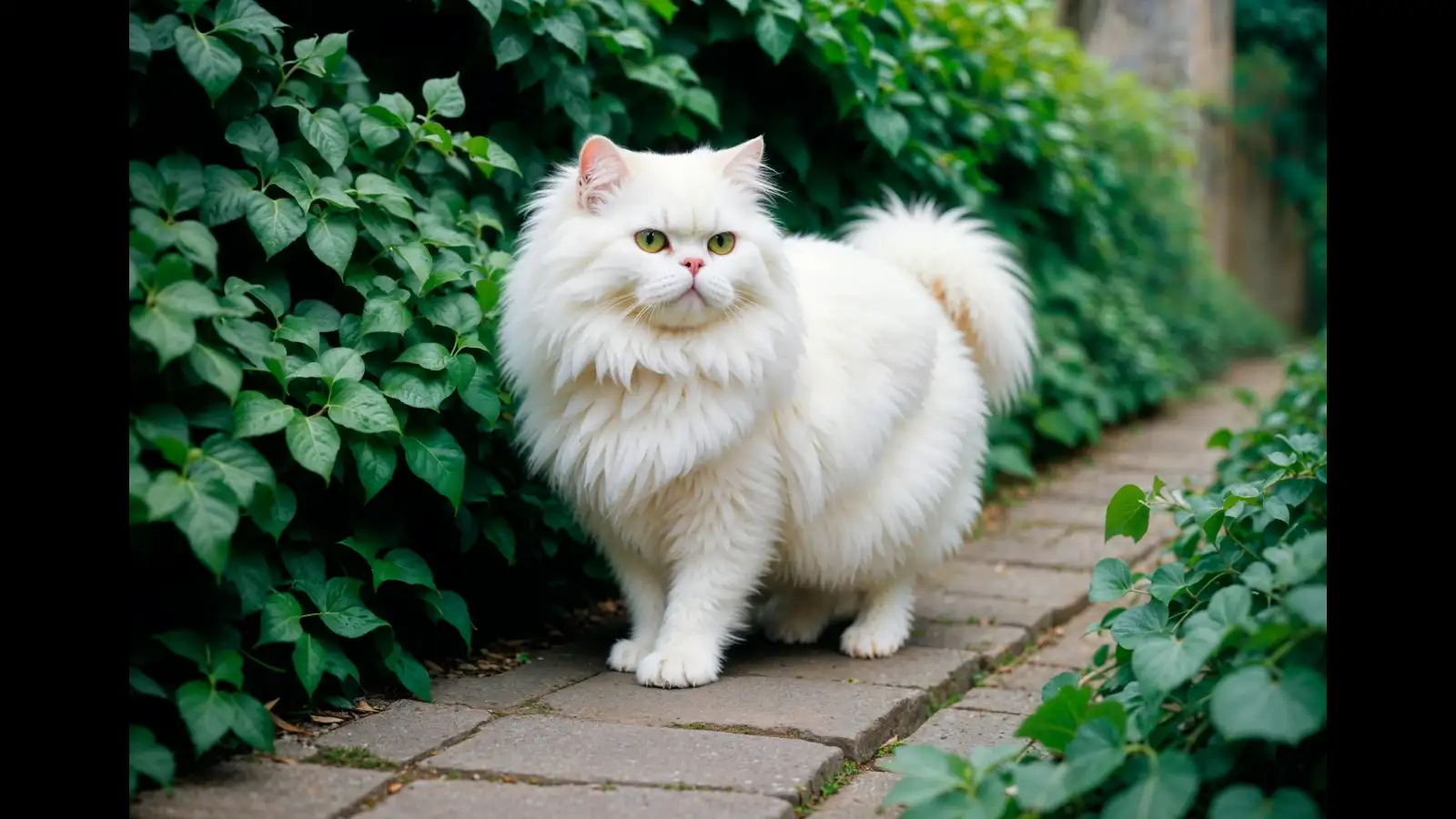
Some cats drink frequently, while others take small amounts throughout the day. Pet owners should pay attention to their cat's usual habits rather than assuming that every cat needs to drink the same amount.
Food particles, dust and other debris can make a bowl less appealing. A clean bowl also makes it easier to notice changes in the amount of water being consumed.
Use a stable bowl that your cat can reach comfortably. Some cats prefer wider bowls that allow their whiskers to remain relatively free of contact with the sides.
Consider offering water in more than one place, particularly in a larger home or a household with several pets. Some cats prefer drinking away from their food bowl or litter tray.
Observe which locations your cat uses instead of assuming that one arrangement suits every animal.
A fountain is not necessary for every cat, and it should not be treated as a guaranteed solution to low water intake.
If you use one, follow the manufacturer's cleaning instructions and replace filters as recommended. A poorly maintained fountain can accumulate debris and bacteria.
Keep a regular bowl of clean water available while your cat becomes accustomed to a new fountain.
Choose a complete and balanced cat food appropriate for the animal's age and health. If your cat has a medical condition, ask your veterinarian whether a particular diet is suitable.
Do not add salt, stock cubes or seasoned cooking liquids to encourage drinking. Some ingredients used in human food may be unsuitable or harmful to cats.
Reduced drinking may also be concerning, particularly when accompanied by poor appetite, vomiting, lethargy or other changes.
Contact a veterinarian if you notice a persistent or unexplained change. A cat that cannot urinate, repeatedly strains in the litter tray or produces little or no urine may have a urinary emergency and needs immediate veterinary attention.
If your cat appears unwell or is refusing water, seek veterinary advice instead of attempting to treat the problem at home.
Cats with certain illnesses may need specific fluid-management plans. Follow the veterinarian's instructions rather than relying on general online recommendations.
These small checks can help you notice changes early. Fresh water is a basic part of responsible cat care, but persistent changes in thirst or urination should never be dismissed as a simple behavioural issue.
Some cats drink frequently, while others take small amounts throughout the day. Pet owners should pay attention to their cat's usual habits rather than assuming that every cat needs to drink the same amount.
1. Provide Fresh Water Every Day
Keep clean drinking water available throughout the day. Wash the bowl regularly and refill it with fresh water.Food particles, dust and other debris can make a bowl less appealing. A clean bowl also makes it easier to notice changes in the amount of water being consumed.
Use a stable bowl that your cat can reach comfortably. Some cats prefer wider bowls that allow their whiskers to remain relatively free of contact with the sides.
2. Try Different Bowl Locations
A cat may drink more readily when water is placed in a quiet, accessible location.Consider offering water in more than one place, particularly in a larger home or a household with several pets. Some cats prefer drinking away from their food bowl or litter tray.
Observe which locations your cat uses instead of assuming that one arrangement suits every animal.
3. Consider a Water Fountain
Some cats are attracted to moving water, so a pet drinking fountain may encourage them to drink more often.A fountain is not necessary for every cat, and it should not be treated as a guaranteed solution to low water intake.
If you use one, follow the manufacturer's cleaning instructions and replace filters as recommended. A poorly maintained fountain can accumulate debris and bacteria.
Keep a regular bowl of clean water available while your cat becomes accustomed to a new fountain.
4. Understand the Role of Food
Wet cat food generally contains more moisture than dry food. Feeding wet food, or a suitable combination of wet and dry food, can increase the amount of water a cat receives through its diet.Choose a complete and balanced cat food appropriate for the animal's age and health. If your cat has a medical condition, ask your veterinarian whether a particular diet is suitable.
Do not add salt, stock cubes or seasoned cooking liquids to encourage drinking. Some ingredients used in human food may be unsuitable or harmful to cats.
5. Watch for Changes in Drinking Habits
A sudden increase in drinking or urination can be associated with health conditions, including diabetes, kidney disease and other disorders.Reduced drinking may also be concerning, particularly when accompanied by poor appetite, vomiting, lethargy or other changes.
Contact a veterinarian if you notice a persistent or unexplained change. A cat that cannot urinate, repeatedly strains in the litter tray or produces little or no urine may have a urinary emergency and needs immediate veterinary attention.
6. Do Not Force Water Into a Cat's Mouth
Trying to force water into a resisting cat's mouth can cause distress and create a risk of liquid entering the airway.If your cat appears unwell or is refusing water, seek veterinary advice instead of attempting to treat the problem at home.
Cats with certain illnesses may need specific fluid-management plans. Follow the veterinarian's instructions rather than relying on general online recommendations.
Build a Simple Hydration Routine
Keep water accessible, clean bowls frequently and observe your cat's normal eating, drinking and litter-tray habits.These small checks can help you notice changes early. Fresh water is a basic part of responsible cat care, but persistent changes in thirst or urination should never be dismissed as a simple behavioural issue.
Next Story