
How To Keep Your Dog Active Indoors: Simple Games And Exercises For Happy, Healthy Pets

Keeping a dog active does not always require a long walk in the park or a large garden. Rain, extreme temperatures, limited outdoor space or a busy routine can sometimes keep pets indoors for longer than usual. That does not mean their need for exercise and engagement has to stop. With a little creativity, your home can become a useful space for movement, play and training. According to experts, regular physical activity and mental stimulation are important parts of a dog's daily routine. Simple indoor games, short training sessions and interactive activities can help reduce boredom while giving your pet something positive to focus on.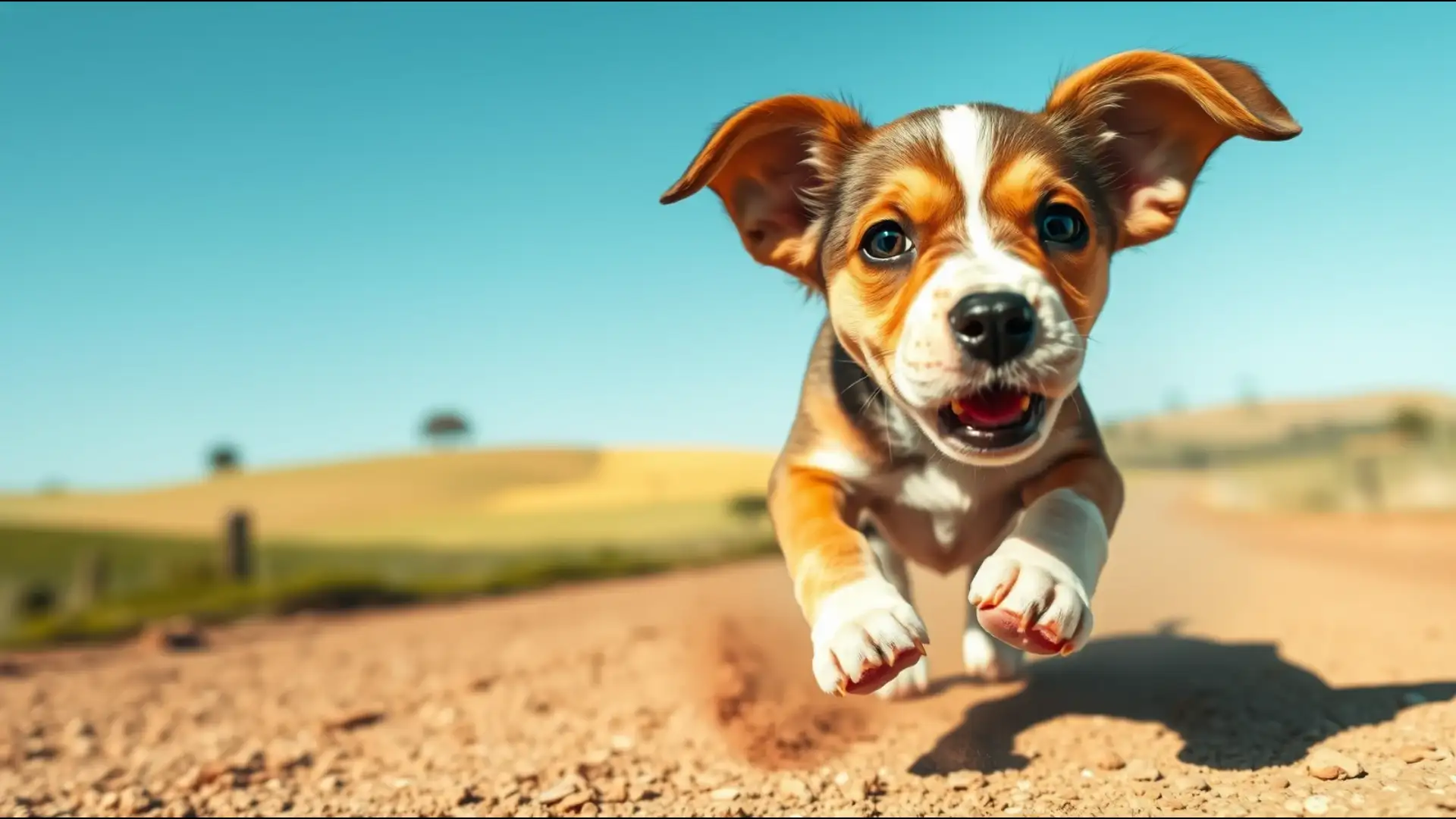
Tug-of-war can also be useful when played with an appropriate toy and clear boundaries. Keep the game controlled and allow your dog to release the toy when asked. For smaller spaces, moving between different rooms while encouraging your dog to follow you can add extra activity to the day.
Try hiding a few treats around an accessible area of your home and encourage your dog to sniff them out. You can also use food puzzles or interactive toys that make your pet work for a reward. These dog indoor activities can turn mealtime into an engaging experience while encouraging natural sniffing and problem-solving behaviours.
According to pet behaviour experts, short sessions can be easier for dogs to handle than prolonged training. They also give owners an opportunity to combine learning with activity.
Most importantly, match activities to your dog's age, size, health and physical ability. A balanced routine combining movement, play, training and rest can help make indoor time more enjoyable for both you and your pet.
Turn Playtime Into Exercise
One of the easiest ways to introduce indoor dog exercises is through games. If you have enough clear floor space, gently roll a soft ball or toy for your dog to chase. A short game of fetch can provide movement without requiring a large outdoor area.Tug-of-war can also be useful when played with an appropriate toy and clear boundaries. Keep the game controlled and allow your dog to release the toy when asked. For smaller spaces, moving between different rooms while encouraging your dog to follow you can add extra activity to the day.
Keep Their Mind Busy
Physical exercise is only part of keeping a dog engaged. Mental stimulation for dogs can be just as useful, particularly when outdoor activity is restricted.Try hiding a few treats around an accessible area of your home and encourage your dog to sniff them out. You can also use food puzzles or interactive toys that make your pet work for a reward. These dog indoor activities can turn mealtime into an engaging experience while encouraging natural sniffing and problem-solving behaviours.
Add Short Training Sessions
Training does not have to be a formal or lengthy exercise. Spend a few minutes practising familiar commands such as sit, stay, come or leave it. You can also teach a new trick gradually, using rewards and plenty of patience.According to pet behaviour experts, short sessions can be easier for dogs to handle than prolonged training. They also give owners an opportunity to combine learning with activity.
Create A Safe Indoor Routine
When planning dog exercise at home , safety should come first. Clear slippery surfaces and remove objects that could cause injury during energetic play. Avoid encouraging your dog to jump from furniture or run on unsuitable flooring.Most importantly, match activities to your dog's age, size, health and physical ability. A balanced routine combining movement, play, training and rest can help make indoor time more enjoyable for both you and your pet.
Next Story