
How to Keep Your House Cool in Summer Without High Energy Bills

As temperatures rise, many homeowners reach for the thermostat to stay comfortable. But cooling your home with air conditioning can lead to sky-high energy bills. Fortunately, there are many effective ways to keep your house cool in the summer without draining your wallet. Here’s a guide to staying chill without cranking up the AC.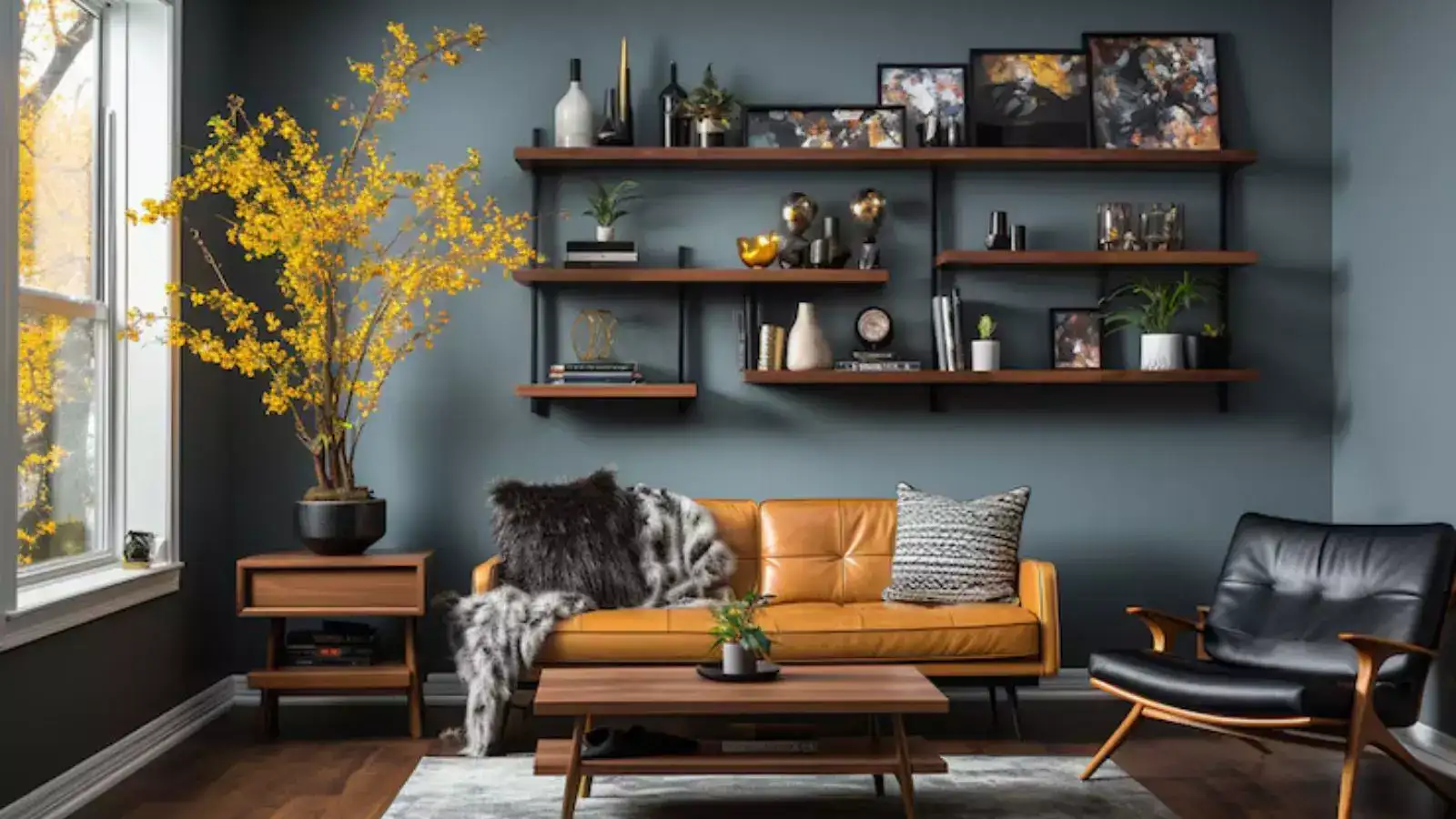
The sun’s rays can turn your home into an oven during the day. Prevent this with:
A whole-house fan pulls cool air in and pushes hot air out through the attic. It’s a great low-energy alternative to central AC for certain climates.
Keeping your home cool in the summer doesn’t have to mean sky-high energy bills. By combining smart strategies—like blocking out heat, improving ventilation, and upgrading your home’s insulation—you can stay comfortable while saving money and energy. Start with small changes and layer on improvements as needed for a cool, cost-efficient summer.
Block Out the Sun
The sun’s rays can turn your home into an oven during the day. Prevent this with:
- Blackout curtains or thermal drapes: These significantly reduce indoor temperatures by blocking heat.
- Reflective window film: Easy to apply and reduces glare and UV exposure.
- Exterior shade: Use awnings, shutters, or outdoor blinds to reduce solar gain.
Use Natural Ventilation
- Maximize airflow when the temperature outside is cooler than inside.
- Open windows strategically: Create cross-ventilation by opening windows on opposite sides of the house.
- Use box or window fans: Direct them to blow hot air out and draw cool air in.
- Night ventilation: Open windows at night when it’s cooler, and close them in the morning.
Install and Use Ceiling Fans Wisely
- Ceiling fans use far less electricity than air conditioning.
- Set fans to rotate counterclockwise in summer: This pushes cool air down.
- Turn off fans when not in the room: Fans cool people, not rooms.
You may also like
- One overlooked kitchen habit with a pressure cooker can be causing more health problems while the outside food is blamed: Expert gives tips to clean the pressure cooker correctly without missing this important step
- Jhumkas, mojris and Solanki's Pujo mood: "Pujo is sari time for me"
- When Kunti revealed this secret about Karna, Yudhishthira was deeply hurt! Then, in anger, he pronounced this terrible curse on women
- Psychology says adults who call their parents every day may be emotionally independent, and here is why daily contact does not always mean dependence
- Let garba be fun, keep safety non-negotiable
Switch to Energy-Efficient Lighting and Appliances
- Incandescent bulbs give off a lot of heat.
- Use LED bulbs: They emit less heat and consume less energy.
- Avoid using ovens and stoves: Opt for microwaves, slow cookers, or outdoor grills.
Seal and Insulate Your Home
- A well-insulated home stays cooler longer.
- Seal gaps around doors and windows: Use weatherstripping or caulk.
- Add insulation to the attic: This reduces heat transfer from the roof.
- Use door draft stoppers: Prevent hot air from sneaking in.
Create a Cool Roof or Paint
- Light-colored or reflective roofing and exterior paint help deflect heat.
- Apply reflective coatings to your roof or choose light-colored roofing materials.
- Consider painting your home’s exterior a lighter shade to reduce heat absorption.
Grow Shade with Landscaping
- Nature can help regulate temperature.
- Plant trees or tall shrubs near windows or on the west-facing side.
- Use climbing vines or trellises to shade walls.
Unplug and Minimize Electronics
- Electronics emit heat even when idle.
- Unplug devices when not in use.
- Use power strips to make this easier.
Opt for Heat-Reducing Window Treatments
- Specialized window coverings can add an extra layer of defense.
- Cellular shades: Trap air and insulate your windows.
- Solar screens: Block UV rays while still letting in light.
Consider a Whole House Fan
A whole-house fan pulls cool air in and pushes hot air out through the attic. It’s a great low-energy alternative to central AC for certain climates.
Keeping your home cool in the summer doesn’t have to mean sky-high energy bills. By combining smart strategies—like blocking out heat, improving ventilation, and upgrading your home’s insulation—you can stay comfortable while saving money and energy. Start with small changes and layer on improvements as needed for a cool, cost-efficient summer.






Loving Newspoint? Download the app now
