
Bicycle Maintenance at Home: 8 Checks to Do Before Your Next Ride

A bicycle used for daily commuting or weekend rides needs regular attention. Small issues such as low tyre pressure, a loose component or a poorly working brake can affect the riding experience. Basic checks at home can help cyclists notice problems before they become more serious.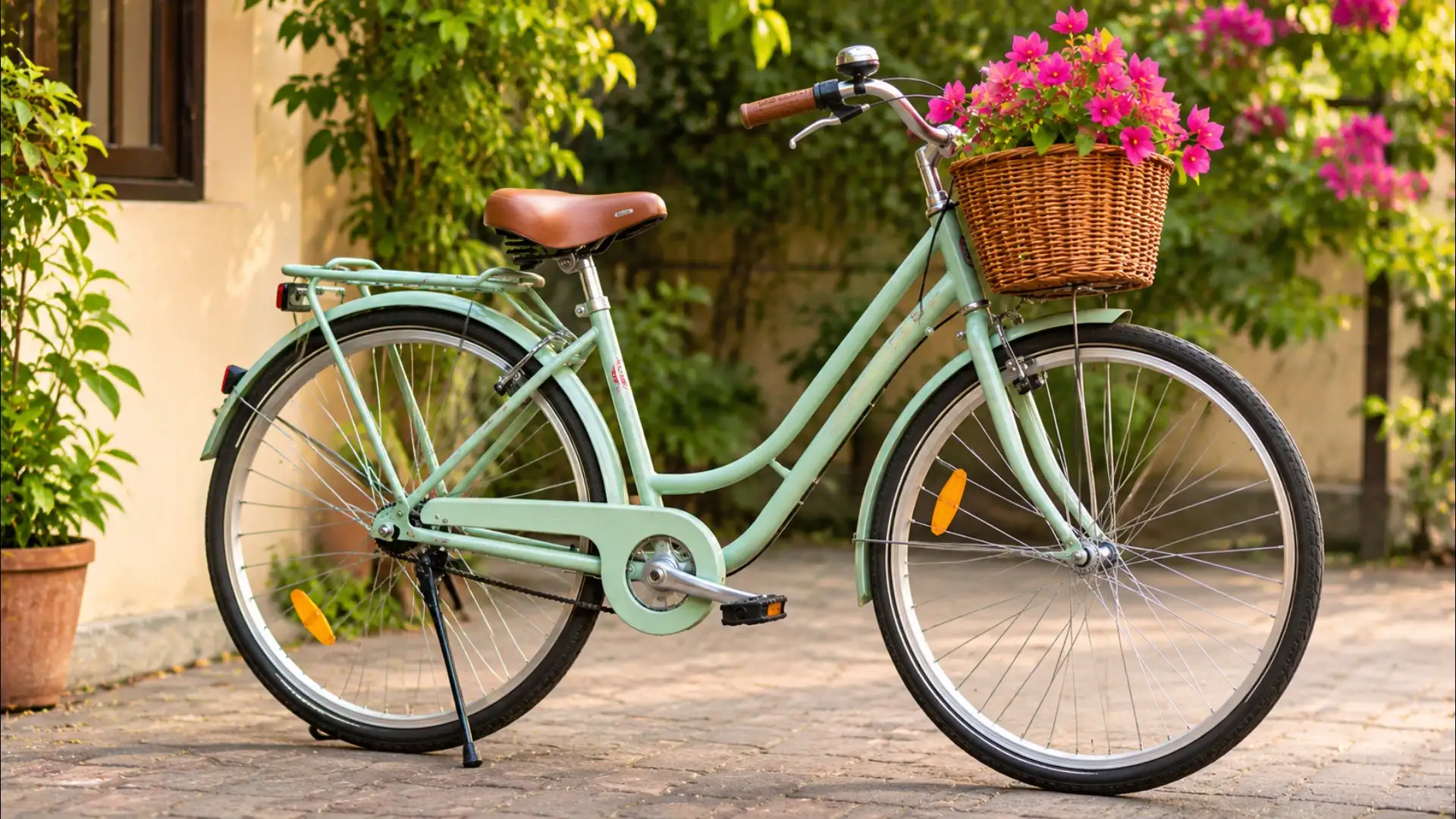
You do not need a professional workshop for every routine inspection. A few simple tools and a little consistency can help keep a bicycle in good working condition.
Use the pressure range printed on the tyre sidewall and follow the manufacturer's recommendations. Avoid inflating beyond the specified range.
Correct pressure helps the bicycle roll more smoothly and can reduce the likelihood of certain punctures caused by riding over sharp edges or potholes with underinflated tyres.
If you find an object stuck in the rubber, remove it carefully only if it can be done safely. A deep cut, bulge or exposed inner layer means the tyre needs professional attention.
If the lever feels unusually loose, the brake pads appear worn or the braking action is uneven, have the system checked by a mechanic. Do not use the bicycle on public roads if the brakes are not working properly.
Apply a small amount along the chain while turning the pedals backwards. Wipe away excess lubricant because a heavily coated chain can attract more dirt.
If the chain is rusty, stiff or repeatedly slipping, seek professional advice.
Look for damaged spokes, dents in the rim or visible wobbling. Wheel alignment and spoke tension may require specialist tools, so leave complicated adjustments to a trained bicycle mechanic.
Look for loose bolts, damaged grips or cracks around the frame and components. Do not attempt to tighten parts beyond the manufacturer's recommended limits.
Reflective elements on clothing and the bicycle can also make riders more visible, particularly during early morning or evening journeys.
Dry the bicycle after cleaning, especially around metal parts and the chain. Store it in a sheltered place when possible.
Cycling UK recommends regular tyre checks and periodic servicing, while Jharkhand Police's cycling safety guidance also highlights checking brakes, tyres, lights, the bell and chain before riding.
A short inspection before a ride can help identify problems early and make everyday cycling more dependable.
You do not need a professional workshop for every routine inspection. A few simple tools and a little consistency can help keep a bicycle in good working condition.
1. Check the tyre pressure
Tyres gradually lose air, even when the bicycle is not being used. Check their pressure regularly with a pump that has a gauge.Use the pressure range printed on the tyre sidewall and follow the manufacturer's recommendations. Avoid inflating beyond the specified range.
Correct pressure helps the bicycle roll more smoothly and can reduce the likelihood of certain punctures caused by riding over sharp edges or potholes with underinflated tyres.
2. Inspect the tyres for damage
Look for cuts, cracks, embedded glass, thorns and other sharp objects. Rotate each wheel slowly to inspect the full surface of the tyre.If you find an object stuck in the rubber, remove it carefully only if it can be done safely. A deep cut, bulge or exposed inner layer means the tyre needs professional attention.
3. Test the brakes
Before riding, press each brake lever and check whether it engages properly. The bicycle should slow down when the brakes are applied.If the lever feels unusually loose, the brake pads appear worn or the braking action is uneven, have the system checked by a mechanic. Do not use the bicycle on public roads if the brakes are not working properly.
4. Keep the chain clean
Dust and dirt can collect on the chain during regular use. Wipe it with a suitable cloth and use bicycle chain lubricant when required.Apply a small amount along the chain while turning the pedals backwards. Wipe away excess lubricant because a heavily coated chain can attract more dirt.
If the chain is rusty, stiff or repeatedly slipping, seek professional advice.
5. Check the wheels
Lift the bicycle slightly and rotate each wheel. It should spin without obvious rubbing or unusual movement.Look for damaged spokes, dents in the rim or visible wobbling. Wheel alignment and spoke tension may require specialist tools, so leave complicated adjustments to a trained bicycle mechanic.
6. Inspect the saddle and handlebar
Check that the saddle is secure and does not move unexpectedly. The handlebar should also remain firmly in place.Look for loose bolts, damaged grips or cracks around the frame and components. Do not attempt to tighten parts beyond the manufacturer's recommended limits.
7. Check the bell and lights
A working bell helps alert people nearby, while front and rear lights improve visibility in low-light conditions. Check batteries and switches before setting out.Reflective elements on clothing and the bicycle can also make riders more visible, particularly during early morning or evening journeys.
8. Clean the bicycle after dusty rides
Use a soft cloth and suitable cleaning materials to remove mud and dirt. Avoid directing high-pressure water at bearings or other sensitive components.Dry the bicycle after cleaning, especially around metal parts and the chain. Store it in a sheltered place when possible.
When should you visit a mechanic?
A professional inspection is advisable if the frame is cracked, the brakes are unreliable, gears repeatedly slip or the wheels wobble significantly.Cycling UK recommends regular tyre checks and periodic servicing, while Jharkhand Police's cycling safety guidance also highlights checking brakes, tyres, lights, the bell and chain before riding.
A short inspection before a ride can help identify problems early and make everyday cycling more dependable.
Next Story