
How To Maintain Bone Health After 35 With Smarter Daily Lifestyle And Food Habits

Bone health is often ignored until pain, stiffness or mobility problems begin to appear later in life. However, maintaining strong bones becomes increasingly important after the age of 35, when the body gradually starts losing bone density as part of the natural ageing process. While this decline may happen slowly, unhealthy lifestyle habits, poor nutrition and lack of physical activity can accelerate the weakening of bones over time.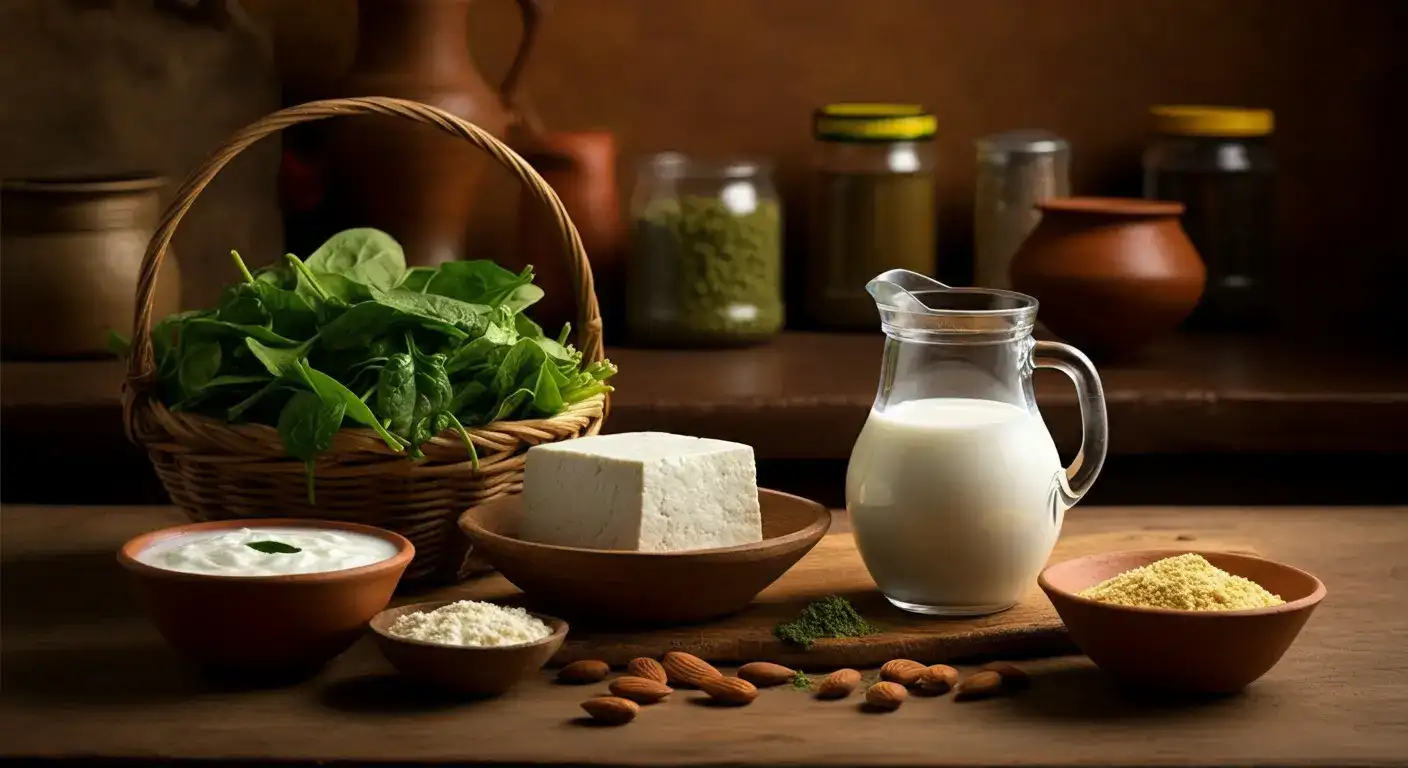
Strong bones are essential not only for posture and movement but also for protecting internal organs, supporting muscles and maintaining overall physical independence with age. Modern lifestyles filled with long sitting hours, low sunlight exposure and processed eating habits have made bone-related concerns more common even among relatively young adults.
Fortunately, bone health can often be supported naturally through balanced nutrition, regular movement and mindful daily habits that strengthen the body gradually over time.
Women may experience a sharper decline after menopause because hormonal changes can affect bone density significantly. Men are also affected by ageing, inactivity and poor nutrition, although the process may occur more gradually.
Weak bones increase the risk of fractures, joint discomfort and reduced mobility later in life. Paying attention to bone health early can help reduce complications in older age.
Milk, curd, paneer and buttermilk are common dairy-based calcium-rich foods. For people who avoid dairy, alternatives such as sesame seeds, ragi, almonds, soy products and leafy vegetables may also contribute useful amounts of calcium.
Traditional Indian meals often naturally combine calcium-rich ingredients through dishes such as ragi roti, curd-based meals or sesame-based snacks.
However, simply consuming calcium is not enough if the body cannot absorb it properly.
Moderate morning sunlight exposure may help maintain vitamin D levels naturally. Spending some time outdoors regularly can support overall bone health along with physical and mental wellbeing.
Certain foods such as eggs, fatty fish and fortified dairy products may also provide vitamin D, though sunlight remains one of the most effective natural sources.
People with persistent fatigue, muscle weakness or bone discomfort may sometimes require medical testing for vitamin D deficiency.
Indian households can include protein-rich foods such as lentils, chickpeas, paneer, curd, sprouts, soy products and eggs as part of balanced meals.
Combining protein with calcium-rich foods may improve overall nutritional support for bones and muscles together.
Simple habits such as including dal in lunch and curd at dinner can contribute meaningfully to everyday nutrition.
Walking, climbing stairs, yoga, resistance training and light strength exercises may help improve both balance and bone health. Regular movement also supports joint flexibility and muscle strength, reducing the risk of falls and injuries later in life.
Sedentary lifestyles weaken not only muscles but also bones. Long sitting hours without physical activity may gradually affect posture, mobility and overall strength.
Even moderate daily exercise can create long-term benefits when practised consistently.
Sugary beverages often replace healthier drinks such as milk or buttermilk in many urban lifestyles, reducing nutritional quality.
Reducing highly processed snacks while increasing fresh home-cooked meals can improve overall nutrition naturally.
Hydration also matters because proper fluid balance supports joint comfort and body functioning.
Maintaining a healthy body weight is equally important. Being underweight may increase bone fragility, while excessive weight can strain joints and mobility.
Balanced eating, regular sleep and physical movement together create a stronger foundation for healthy ageing.
Including calcium-rich foods early and maintaining regular exercise can help support better bone health before major age-related changes begin.
Routine medical check-ups may also help identify deficiencies or early bone loss before symptoms become severe.
Small consistent habits such as daily walks, balanced meals, proper hydration and sunlight exposure often create more meaningful long-term benefits.
Maintaining bone health after 35 requires awareness, consistency and balanced lifestyle choices rather than fear or extreme restrictions. Indian diets already include several naturally supportive foods that can help strengthen bones when combined with exercise, sunlight and healthy routines. By focusing on long-term wellness instead of temporary fixes, people can protect mobility, posture and overall physical independence as they age.
Strong bones are essential not only for posture and movement but also for protecting internal organs, supporting muscles and maintaining overall physical independence with age. Modern lifestyles filled with long sitting hours, low sunlight exposure and processed eating habits have made bone-related concerns more common even among relatively young adults.
Fortunately, bone health can often be supported naturally through balanced nutrition, regular movement and mindful daily habits that strengthen the body gradually over time.
Why Bone Health Changes After 35
Bone tissue constantly renews itself throughout life. During younger years, the body generally builds bone faster than it loses it. However, after the mid-thirties, this balance slowly changes and bone loss may begin to exceed bone formation.Women may experience a sharper decline after menopause because hormonal changes can affect bone density significantly. Men are also affected by ageing, inactivity and poor nutrition, although the process may occur more gradually.
Weak bones increase the risk of fractures, joint discomfort and reduced mobility later in life. Paying attention to bone health early can help reduce complications in older age.
Calcium Remains Essential For Strong Bones
Calcium is one of the most important nutrients for maintaining bone strength. Indian diets already include several natural calcium sources that can support daily nutrition without depending entirely on supplements.Milk, curd, paneer and buttermilk are common dairy-based calcium-rich foods. For people who avoid dairy, alternatives such as sesame seeds, ragi, almonds, soy products and leafy vegetables may also contribute useful amounts of calcium.
Traditional Indian meals often naturally combine calcium-rich ingredients through dishes such as ragi roti, curd-based meals or sesame-based snacks.
However, simply consuming calcium is not enough if the body cannot absorb it properly.
Vitamin D Plays A Major Role
Vitamin D helps the body absorb calcium effectively, making it equally important for bone health. One of the biggest modern lifestyle issues is reduced sunlight exposure due to indoor work routines and screen-heavy lifestyles.Moderate morning sunlight exposure may help maintain vitamin D levels naturally. Spending some time outdoors regularly can support overall bone health along with physical and mental wellbeing.
Certain foods such as eggs, fatty fish and fortified dairy products may also provide vitamin D, though sunlight remains one of the most effective natural sources.
People with persistent fatigue, muscle weakness or bone discomfort may sometimes require medical testing for vitamin D deficiency.
Protein Also Supports Bone Strength
Protein is often associated mainly with muscles, but it also contributes to bone structure and repair. Inadequate protein intake may affect overall body strength and recovery.Indian households can include protein-rich foods such as lentils, chickpeas, paneer, curd, sprouts, soy products and eggs as part of balanced meals.
Combining protein with calcium-rich foods may improve overall nutritional support for bones and muscles together.
Simple habits such as including dal in lunch and curd at dinner can contribute meaningfully to everyday nutrition.
Weight-Bearing Exercise Helps Maintain Bone Density
Physical activity is one of the most effective ways to support bone strength after 35. Weight-bearing exercises encourage bones to remain active and stronger over time.Walking, climbing stairs, yoga, resistance training and light strength exercises may help improve both balance and bone health. Regular movement also supports joint flexibility and muscle strength, reducing the risk of falls and injuries later in life.
Sedentary lifestyles weaken not only muscles but also bones. Long sitting hours without physical activity may gradually affect posture, mobility and overall strength.
Even moderate daily exercise can create long-term benefits when practised consistently.
Avoid Excessive Processed Foods And Sugary Drinks
Modern diets high in processed food, soft drinks and excessive salt may negatively affect bone health over time. Some packaged foods contain high sodium levels that may influence calcium balance in the body.Sugary beverages often replace healthier drinks such as milk or buttermilk in many urban lifestyles, reducing nutritional quality.
Reducing highly processed snacks while increasing fresh home-cooked meals can improve overall nutrition naturally.
Hydration also matters because proper fluid balance supports joint comfort and body functioning.
Bone Health Is Closely Linked With Overall Lifestyle
Smoking, excessive alcohol consumption, poor sleep and chronic stress may also affect long-term bone strength. The body recovers and repairs itself more effectively when supported by healthier routines.Maintaining a healthy body weight is equally important. Being underweight may increase bone fragility, while excessive weight can strain joints and mobility.
Balanced eating, regular sleep and physical movement together create a stronger foundation for healthy ageing.
You may also like
- A New Solution for Pet Safety! These 5 Smart Gadgets Will Keep a Constant Watch on Your Pet—No More Fear of Theft
- Train Fire News: Attention Rail Passengers! If Damage Occurs Due to a Train Accident or Fire, How Much Compensation Will the Government Provide?
- No More Deepfakes on YouTube: A New System Is Arriving
- Post Office Savings Scheme: The Magic of the Post Office! Deposit ₹2 Lakhs and Take Home Over ₹90,000 in Interest
- If You Fall Ill During a Heatwave, Will Your Insurance Cover You? Learn the Rules for Heatstroke Claims
Women Need Extra Attention Towards Bone Health
Women often face higher risk of bone weakening due to hormonal changes associated with ageing and menopause. Nutritional deficiencies, repeated dieting and low physical activity may increase this risk further.Including calcium-rich foods early and maintaining regular exercise can help support better bone health before major age-related changes begin.
Routine medical check-ups may also help identify deficiencies or early bone loss before symptoms become severe.
Consistency Matters More Than Short-Term Efforts
Bone health is built gradually over years through daily habits rather than quick solutions. Sudden diet changes or short-term supplement use alone cannot compensate for long periods of poor nutrition and inactivity.Small consistent habits such as daily walks, balanced meals, proper hydration and sunlight exposure often create more meaningful long-term benefits.
Maintaining bone health after 35 requires awareness, consistency and balanced lifestyle choices rather than fear or extreme restrictions. Indian diets already include several naturally supportive foods that can help strengthen bones when combined with exercise, sunlight and healthy routines. By focusing on long-term wellness instead of temporary fixes, people can protect mobility, posture and overall physical independence as they age.






More from our partners


Loving Newspoint? Download the app now
