
How To Make Authentic Kerala-Style Pumpkin Erissery With Coconut And Mild Spices

Kerala cuisine is celebrated for its comforting flavours, coconut-rich gravies and deeply traditional recipes that continue to hold a special place in family kitchens. Among these classic dishes, pumpkin erissery stands out for its creamy texture, mild sweetness and aromatic tempering. Often prepared during festive sadya meals, this traditional curry brings warmth and balance to the dining table with its simple ingredients and homely taste.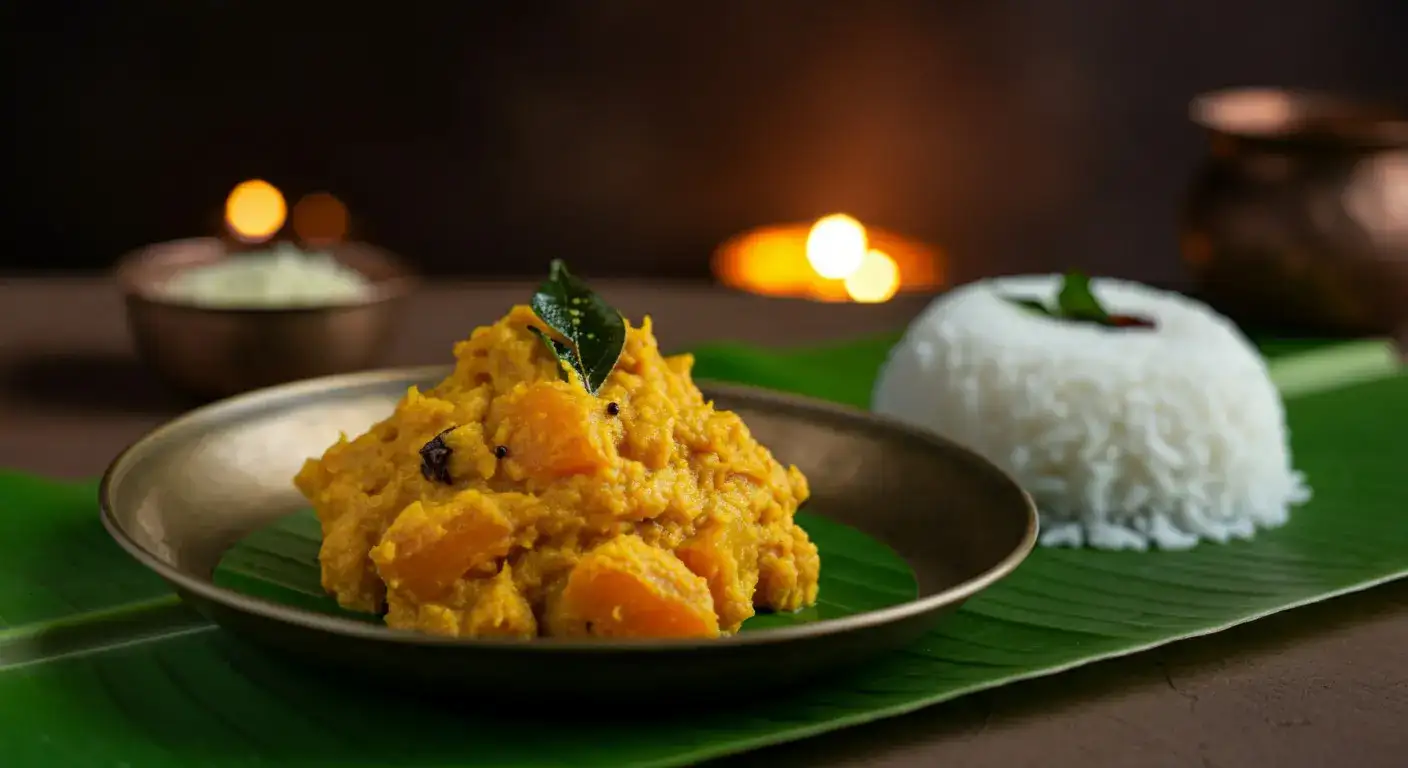
Made with soft pumpkin, coconut and lightly spiced seasoning, Kerala-style pumpkin erissery is both nourishing and satisfying. The dish reflects the essence of South Indian cooking where vegetables, coconut and carefully balanced spices come together to create meals that feel wholesome without being heavy. Whether served during celebrations or as part of an everyday lunch, erissery remains a timeless favourite in many households.
Unlike heavily spiced gravies, erissery focuses on gentle seasoning that allows the ingredients to shine naturally. The addition of roasted coconut in the final tempering gives the dish its signature aroma and texture.
In Kerala homes, this traditional Kerala curry is often prepared during festivals, weddings and Onam sadya feasts. However, its simplicity also makes it suitable for regular family meals.
The spice base usually includes cumin seeds, green chillies and turmeric. Some versions also include cooked cowpeas or red beans, which add heartiness and extra protein to the dish.
For tempering, coconut oil, mustard seeds, curry leaves and roasted coconut are commonly used. This final step enhances the overall flavour and gives the curry its authentic Kerala identity.
Meanwhile, prepare a smooth coconut paste using grated coconut, cumin seeds and green chillies. This paste forms the creamy base of the curry and should have a fresh aroma.
Add the coconut mixture to the cooked pumpkin and simmer gently for a few minutes so the flavours blend properly. If using cooked cowpeas, they can be added at this stage.
In a separate pan, heat coconut oil and add mustard seeds. Once they splutter, add curry leaves and grated coconut. Roast the coconut until golden brown and aromatic before pouring the tempering over the curry.
The finished pumpkin erissery should have a creamy consistency with a lightly roasted coconut flavour running through every spoonful.
Its mildly sweet flavour offers balance against spicy and tangy dishes on the plate. The soft texture of pumpkin also pairs beautifully with steamed rice and pappadam.
For many families, erissery is closely linked with festive memories and community meals where traditional recipes are passed down through generations.
Coconut contributes healthy fats and enhances satiety, making the dish filling and satisfying. If cowpeas are added, the curry also gains additional protein and fibre.
Because of its mild spice level, pumpkin erissery is often enjoyed by people of all age groups, including children and older family members.
The curry can also be enjoyed with chapatis or soft appams for a lighter meal. Some households prepare it as a weekend lunch dish because it feels both festive and comforting without requiring complicated preparation.
Serving the curry warm allows the coconut flavours and roasted tempering to stand out more prominently.
Freshly grated coconut always provides a richer taste compared to packaged alternatives. Roasting the coconut carefully during tempering also adds depth and enhances the authentic Kerala flavour.
The consistency of the curry can be adjusted depending on preference. Some people enjoy a thicker texture, while others prefer it slightly loose for mixing with rice.
Kerala-style pumpkin erissery beautifully captures the simplicity and warmth of traditional South Indian cooking. With soft pumpkin, creamy coconut and aromatic tempering, this comforting curry continues to remain a cherished dish in homes and festive feasts alike.
Made with soft pumpkin, coconut and lightly spiced seasoning, Kerala-style pumpkin erissery is both nourishing and satisfying. The dish reflects the essence of South Indian cooking where vegetables, coconut and carefully balanced spices come together to create meals that feel wholesome without being heavy. Whether served during celebrations or as part of an everyday lunch, erissery remains a timeless favourite in many households.
What Makes Pumpkin Erissery Special
Pumpkin erissery is known for its unique balance of flavours. The natural sweetness of pumpkin blends beautifully with earthy coconut and mild spices, creating a curry that feels rich yet delicate.Unlike heavily spiced gravies, erissery focuses on gentle seasoning that allows the ingredients to shine naturally. The addition of roasted coconut in the final tempering gives the dish its signature aroma and texture.
In Kerala homes, this traditional Kerala curry is often prepared during festivals, weddings and Onam sadya feasts. However, its simplicity also makes it suitable for regular family meals.
Ingredients Used In Kerala-Style Pumpkin Erissery
The dish mainly uses yellow pumpkin, which becomes soft and creamy when cooked. Fresh grated coconut is another essential ingredient, contributing both texture and flavour.The spice base usually includes cumin seeds, green chillies and turmeric. Some versions also include cooked cowpeas or red beans, which add heartiness and extra protein to the dish.
For tempering, coconut oil, mustard seeds, curry leaves and roasted coconut are commonly used. This final step enhances the overall flavour and gives the curry its authentic Kerala identity.
How To Prepare Pumpkin Erissery At Home
Begin by peeling and chopping the pumpkin into medium-sized cubes. Cook the pieces with turmeric, salt and a small amount of water until they turn soft but still hold their shape.Meanwhile, prepare a smooth coconut paste using grated coconut, cumin seeds and green chillies. This paste forms the creamy base of the curry and should have a fresh aroma.
Add the coconut mixture to the cooked pumpkin and simmer gently for a few minutes so the flavours blend properly. If using cooked cowpeas, they can be added at this stage.
In a separate pan, heat coconut oil and add mustard seeds. Once they splutter, add curry leaves and grated coconut. Roast the coconut until golden brown and aromatic before pouring the tempering over the curry.
The finished pumpkin erissery should have a creamy consistency with a lightly roasted coconut flavour running through every spoonful.
A Key Dish In Kerala Sadya Traditions
Pumpkin erissery holds a special place in festive Kerala sadya recipes . During traditional feasts served on banana leaves, the dish is often included alongside sambar, avial, thoran and pachadi.Its mildly sweet flavour offers balance against spicy and tangy dishes on the plate. The soft texture of pumpkin also pairs beautifully with steamed rice and pappadam.
For many families, erissery is closely linked with festive memories and community meals where traditional recipes are passed down through generations.
Nutritional Benefits Of Pumpkin Erissery
This South Indian pumpkin dish is not only comforting but also nutritious. Pumpkin contains fibre, vitamins and antioxidants that support overall health. Since the curry uses minimal oil and simple cooking methods, it remains relatively light despite its rich taste.Coconut contributes healthy fats and enhances satiety, making the dish filling and satisfying. If cowpeas are added, the curry also gains additional protein and fibre.
Because of its mild spice level, pumpkin erissery is often enjoyed by people of all age groups, including children and older family members.
You may also like
- 'India lives in cricket': Viral video of delivery man kissing cricket bat before leaving shows the cost of responsibilities
- May Seasonal Vegetables: These 10 seasonal vegetables should be eaten in the month of May, as they provide immense health benefits.
- Weak Immunity: Cough, cold, sore throat, and fatigue? It's not the weather changing; it's the body that's lacking this
- Male Fertility: Not just the mother, but the father's age and habits also determine the child's health. Don't make this mistake.
- Mango & Diabetes: Can Eating Too Much Mango Raise Blood Sugar Levels?
Best Ways To Serve Pumpkin Erissery
Kerala-style pumpkin erissery is traditionally served with steamed rice as part of a larger South Indian meal. It pairs especially well with sambar, rasam or simple dal preparations.The curry can also be enjoyed with chapatis or soft appams for a lighter meal. Some households prepare it as a weekend lunch dish because it feels both festive and comforting without requiring complicated preparation.
Serving the curry warm allows the coconut flavours and roasted tempering to stand out more prominently.
Tips For Better Flavour And Texture
Fresh pumpkin with deep yellow flesh gives the best results for this coconut pumpkin curry . Overripe pumpkin may turn mushy during cooking, so choosing firm pieces is important.Freshly grated coconut always provides a richer taste compared to packaged alternatives. Roasting the coconut carefully during tempering also adds depth and enhances the authentic Kerala flavour.
The consistency of the curry can be adjusted depending on preference. Some people enjoy a thicker texture, while others prefer it slightly loose for mixing with rice.
Kerala-style pumpkin erissery beautifully captures the simplicity and warmth of traditional South Indian cooking. With soft pumpkin, creamy coconut and aromatic tempering, this comforting curry continues to remain a cherished dish in homes and festive feasts alike.






More from our partners


Loving Newspoint? Download the app now
