
How To Make Authentic Sev Tameta Nu Shaak With Traditional Gujarati Flavours

Sev Tameta Nu Shaak is one of the most loved traditional dishes from Gujarat, especially popular in the Kathiawad region known for its bold, spicy and flavour-rich cuisine. Prepared using tomatoes, aromatic spices and crispy sev, this comforting dish reflects the simplicity and creativity of regional Indian cooking. Despite using everyday ingredients, the curry delivers a unique balance of sweetness, tanginess and spice that makes it memorable and deeply satisfying.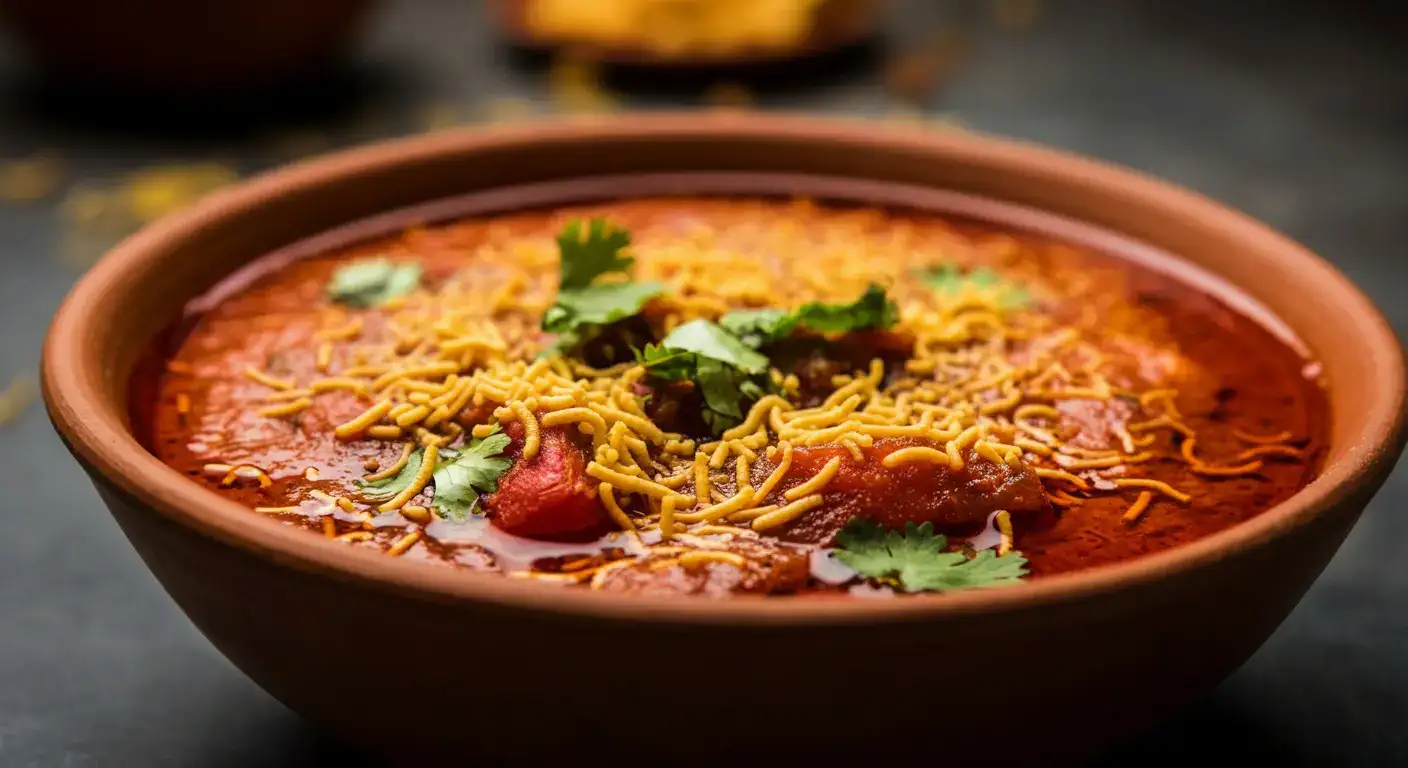
In many Gujarati households, Sev Tameta Nu Shaak is considered a quick yet flavourful meal option that pairs beautifully with rotla, chapati, bhakri or even plain parathas. The dish is especially appreciated because it can be prepared quickly without requiring elaborate ingredients while still offering rich taste and comforting warmth.
Its signature texture comes from the addition of crunchy sev, which softens slightly in the spicy tomato gravy while retaining some bite.
Originating from the Saurashtra region of Gujarat, this style of cooking often combines spicy, tangy and mildly sweet elements in balanced proportions. Dishes are usually prepared with simple pantry ingredients while focusing heavily on flavour depth.
Sev Tameta Nu Shaak perfectly represents this culinary identity because it transforms basic ingredients like tomatoes and sev into a hearty and flavourful dish.
The recipe has remained popular across generations because of its simplicity, affordability and strong regional character.
Chopped tomatoes form the curry base, while ingredients such as mustard seeds, cumin seeds, green chillies, ginger and garlic help create aromatic flavour layers.
Turmeric, red chilli powder, coriander powder and garam masala are commonly added for spice and warmth.
A small amount of jaggery or sugar is often used to balance the tanginess of tomatoes, which is a characteristic feature of many Gujarati dishes.
Fresh coriander leaves are generally added for garnish and freshness.
The type of sev used also affects texture, with medium-thick sev commonly preferred for better consistency in the curry.
Oil is heated first before adding mustard and cumin seeds for tempering. Green chillies, ginger and garlic are sautéed next to release aroma and flavour.
Chopped tomatoes are then cooked until soft and pulpy before adding powdered spices and salt.
The tomatoes should cook thoroughly so the gravy develops depth and slight natural sweetness.
Some cooks mash the tomatoes slightly during cooking for smoother texture, while others prefer a chunkier consistency.
A little jaggery is often added towards the end to balance acidity and create the signature sweet-spicy-tangy flavour combination.
If added too early, it may become overly soft and lose its characteristic texture. Many people prefer adding sev directly into the serving bowl so it absorbs the gravy slightly while still retaining some crispness.
This balance between soft gravy and textured sev is one of the most appealing aspects of the dish.
The quantity of sev can also be adjusted according to personal preference.
Some households enjoy thicker curry with more sev, while others keep the gravy lighter and more tomato-focused.
The tanginess of tomatoes combines with the warmth of spices, mild sweetness of jaggery and savoury crunch of sev to create a distinctive taste experience.
Unlike creamy gravies or rich restaurant-style curries, this dish feels light yet deeply flavourful.
Its homemade simplicity is one of the reasons why it continues to remain popular across Gujarat and beyond.
The recipe also demonstrates how regional Indian cuisine often creates memorable dishes using accessible ingredients and balanced seasoning.
In many Kathiawadi meals, it is paired with raw onions, green chillies, buttermilk and simple accompaniments that balance the spice levels.
The dish also works well as a quick lunch or dinner option because it can be prepared relatively fast compared to more elaborate curries.
Freshly made rotis and warm curry together create a highly comforting combination.
Some people also enjoy the dish with lightly buttered bread or toasted pav for a modern variation.
Overcooking the sev can also spoil texture and make the curry overly thick.
Another issue is adding too much jaggery, which may overpower the balanced flavour profile of the dish.
The ideal preparation usually maintains harmony between spice, tanginess and mild sweetness without allowing any single flavour to dominate.
Fresh sev and properly cooked tomatoes often produce the best overall taste and texture.
Regional Indian cooking often focuses on creating satisfying meals using locally available ingredients and time-tested flavour combinations.
These recipes also preserve culinary traditions that connect generations through everyday food experiences.
As interest in regional cuisines grows, many traditional dishes are finding renewed appreciation among younger food lovers exploring authentic Indian flavours.
Sev Tameta Nu Shaak remains one of the most iconic comfort dishes from Kathiawad because of its bold flavours, simple ingredients and satisfying texture. The combination of tangy tomato gravy and crunchy sev creates a unique dish that feels both rustic and deeply flavourful. Whether enjoyed with rotla, chapati or bhakri, this traditional Gujarati preparation continues to celebrate the richness and warmth of regional Indian home cooking.
In many Gujarati households, Sev Tameta Nu Shaak is considered a quick yet flavourful meal option that pairs beautifully with rotla, chapati, bhakri or even plain parathas. The dish is especially appreciated because it can be prepared quickly without requiring elaborate ingredients while still offering rich taste and comforting warmth.
Its signature texture comes from the addition of crunchy sev, which softens slightly in the spicy tomato gravy while retaining some bite.
The Cultural Importance Of Kathiawadi Cuisine
Kathiawadi cuisine is widely recognised for its robust flavours and generous use of spices.Originating from the Saurashtra region of Gujarat, this style of cooking often combines spicy, tangy and mildly sweet elements in balanced proportions. Dishes are usually prepared with simple pantry ingredients while focusing heavily on flavour depth.
Sev Tameta Nu Shaak perfectly represents this culinary identity because it transforms basic ingredients like tomatoes and sev into a hearty and flavourful dish.
The recipe has remained popular across generations because of its simplicity, affordability and strong regional character.
Ingredients Required For Sev Tameta Nu Shaak
The recipe mainly uses ripe tomatoes, sev and traditional Gujarati spices.Chopped tomatoes form the curry base, while ingredients such as mustard seeds, cumin seeds, green chillies, ginger and garlic help create aromatic flavour layers.
Turmeric, red chilli powder, coriander powder and garam masala are commonly added for spice and warmth.
A small amount of jaggery or sugar is often used to balance the tanginess of tomatoes, which is a characteristic feature of many Gujarati dishes.
Fresh coriander leaves are generally added for garnish and freshness.
The type of sev used also affects texture, with medium-thick sev commonly preferred for better consistency in the curry.
Preparing The Tomato Gravy
The heart of Sev Tameta Nu Shaak lies in its rich tomato-based gravy.Oil is heated first before adding mustard and cumin seeds for tempering. Green chillies, ginger and garlic are sautéed next to release aroma and flavour.
Chopped tomatoes are then cooked until soft and pulpy before adding powdered spices and salt.
The tomatoes should cook thoroughly so the gravy develops depth and slight natural sweetness.
Some cooks mash the tomatoes slightly during cooking for smoother texture, while others prefer a chunkier consistency.
A little jaggery is often added towards the end to balance acidity and create the signature sweet-spicy-tangy flavour combination.
Adding Sev At The Right Time
Sev is usually added only shortly before serving.If added too early, it may become overly soft and lose its characteristic texture. Many people prefer adding sev directly into the serving bowl so it absorbs the gravy slightly while still retaining some crispness.
This balance between soft gravy and textured sev is one of the most appealing aspects of the dish.
The quantity of sev can also be adjusted according to personal preference.
Some households enjoy thicker curry with more sev, while others keep the gravy lighter and more tomato-focused.
The Signature Taste Of The Dish
Sev Tameta Nu Shaak stands out because of its layered flavour profile.The tanginess of tomatoes combines with the warmth of spices, mild sweetness of jaggery and savoury crunch of sev to create a distinctive taste experience.
Unlike creamy gravies or rich restaurant-style curries, this dish feels light yet deeply flavourful.
Its homemade simplicity is one of the reasons why it continues to remain popular across Gujarat and beyond.
The recipe also demonstrates how regional Indian cuisine often creates memorable dishes using accessible ingredients and balanced seasoning.
Best Ways To Serve Sev Tameta Nu Shaak
This curry is traditionally served hot with bajra rotla, chapati, phulka or bhakri.In many Kathiawadi meals, it is paired with raw onions, green chillies, buttermilk and simple accompaniments that balance the spice levels.
The dish also works well as a quick lunch or dinner option because it can be prepared relatively fast compared to more elaborate curries.
Freshly made rotis and warm curry together create a highly comforting combination.
Some people also enjoy the dish with lightly buttered bread or toasted pav for a modern variation.
You may also like
- SCSS Emerges as a Top Retirement Income Plan: Earn ₹61,500 Every Quarter With Government Security
- Hidden Cash and Gold Could Trigger Massive Tax Trouble! Undisclosed Assets May Attract Up to 86% Penalty
- West Bengal Approves 7th Pay Commission, ₹3,000 Monthly Aid for Women and Free Bus Travel
- Controlled glamour: Why Cannes 2026 fashion ditched spectacle for restraint
- Why Two Women of the Same Age Get Very Different Freezing Results
Common Mistakes To Avoid
One common mistake while preparing Sev Tameta Nu Shaak is using under-ripe tomatoes, which may create excessive sourness without natural sweetness.Overcooking the sev can also spoil texture and make the curry overly thick.
Another issue is adding too much jaggery, which may overpower the balanced flavour profile of the dish.
The ideal preparation usually maintains harmony between spice, tanginess and mild sweetness without allowing any single flavour to dominate.
Fresh sev and properly cooked tomatoes often produce the best overall taste and texture.
Why Regional Indian Recipes Continue To Thrive
Traditional dishes like Sev Tameta Nu Shaak continue to remain popular because they combine simplicity, affordability and emotional comfort.Regional Indian cooking often focuses on creating satisfying meals using locally available ingredients and time-tested flavour combinations.
These recipes also preserve culinary traditions that connect generations through everyday food experiences.
As interest in regional cuisines grows, many traditional dishes are finding renewed appreciation among younger food lovers exploring authentic Indian flavours.
Sev Tameta Nu Shaak remains one of the most iconic comfort dishes from Kathiawad because of its bold flavours, simple ingredients and satisfying texture. The combination of tangy tomato gravy and crunchy sev creates a unique dish that feels both rustic and deeply flavourful. Whether enjoyed with rotla, chapati or bhakri, this traditional Gujarati preparation continues to celebrate the richness and warmth of regional Indian home cooking.






More from our partners


Loving Newspoint? Download the app now
