
Homemade Chilli Oil: The Secret to Making It Rich, Not Just Spicy

Chilli oil looks deceptively simple. Oil, chilli flakes, maybe a pinch of salt. But anyone who has tried making it at home knows the result can vary wildly. Sometimes it tastes rich and layered. Other times, it feels like exactly what it is, oil with heat and not much else.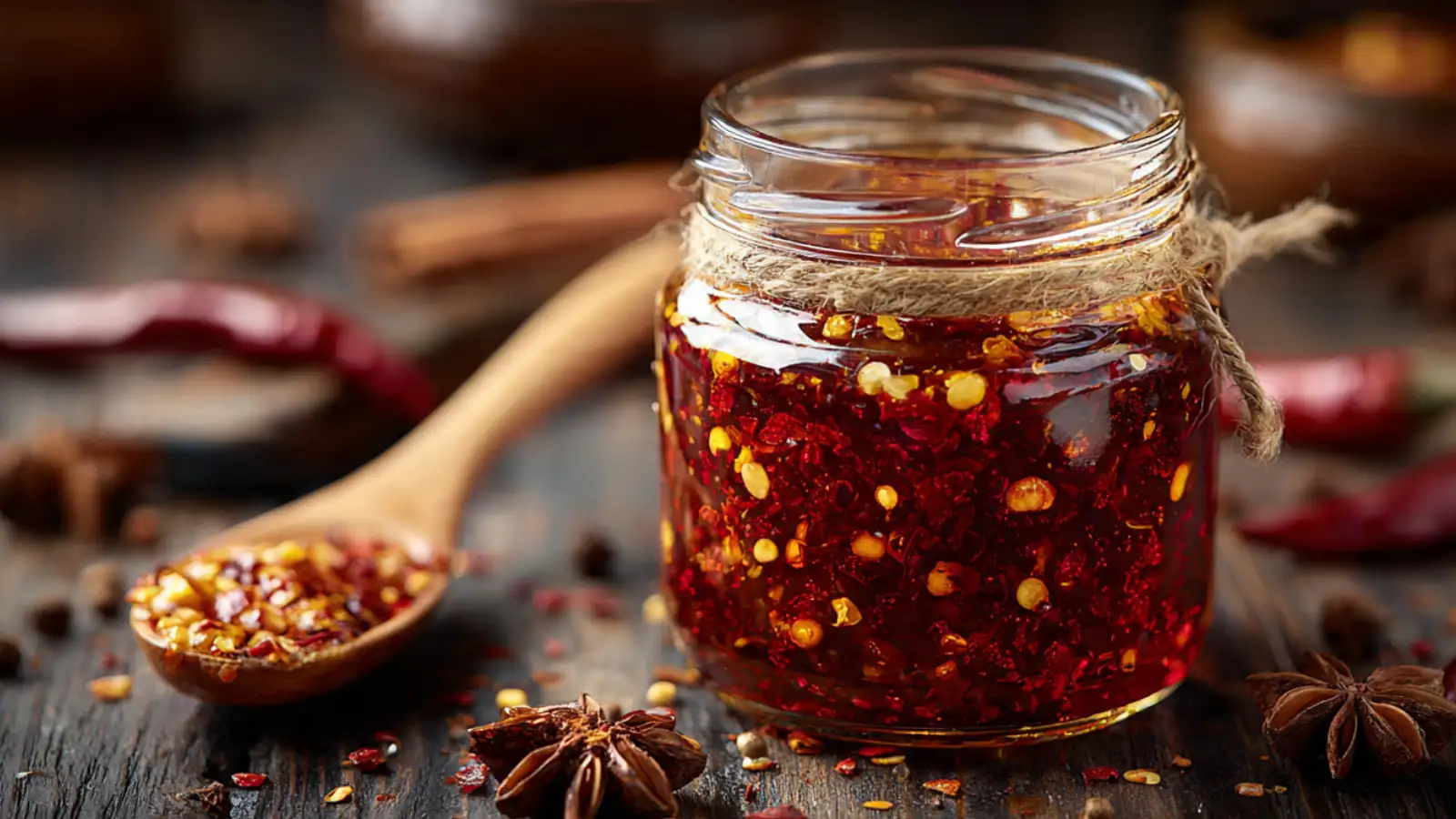
The difference lies in how the oil is handled before it even touches the chillies.
At its core, good chilli oil is not just about spice. It is about infusion. The oil needs to carry flavour, not just heat. That process begins with aromatics. Ingredients like star anise, cinnamon, bay leaves, and Sichuan peppercorns are often used to build a base. Some versions also include garlic or shallots for added depth.
These ingredients are gently heated in oil over a controlled temperature. This step is where most of the flavour develops. If the heat is too high, the spices burn and turn bitter. If it is too low, the oil never fully absorbs their essence. The goal is a slow infusion, where the oil picks up aroma gradually without scorching the ingredients.
Time plays a role here. Rushing this step is one of the most common mistakes. Letting the oil sit with the aromatics for a longer duration allows the flavours to deepen, making the final result more balanced.
Once the oil is infused, the next stage is just as critical. It is poured over chilli flakes, but not blindly. Temperature matters again. If the oil is too hot, it burns the chillies and creates a harsh, bitter taste. If it is too cool, it fails to release the chilli’s colour and aroma.
When done right, the moment the oil hits the chilli flakes, there is a gentle sizzling reaction. The aroma changes immediately, becoming nutty and slightly smoky, without any burnt notes. That is the point where flavour is being locked in.
Another detail often overlooked is the type of chilli flakes used. Not all chillies behave the same way. Some are brighter and fresher, others are drier and more intense. This affects both the heat level and how the oil interacts with them.
Beyond the basics, there is room for variation. Some people add sesame seeds for texture, while others mix in a small amount of soy sauce or vinegar for complexity. But even with additions, the structure remains the same. Infuse first, then combine.
Storage also influences the final taste. Once cooled, chilli oil should be kept in airtight containers and handled carefully to maintain freshness. Over time, the flavours continue to blend, often making it taste better after a few days.
What makes chilli oil so popular is its versatility. It can be drizzled over noodles, mixed into rice, used in marinades, or simply added as a finishing touch to almost any dish.
In simple terms, chilli oil is not about adding heat. It is about building flavour through controlled steps.
Get the balance right, and it becomes more than a condiment. It becomes something that quietly transforms everything it is added to.
The difference lies in how the oil is handled before it even touches the chillies.
At its core, good chilli oil is not just about spice. It is about infusion. The oil needs to carry flavour, not just heat. That process begins with aromatics. Ingredients like star anise, cinnamon, bay leaves, and Sichuan peppercorns are often used to build a base. Some versions also include garlic or shallots for added depth.
These ingredients are gently heated in oil over a controlled temperature. This step is where most of the flavour develops. If the heat is too high, the spices burn and turn bitter. If it is too low, the oil never fully absorbs their essence. The goal is a slow infusion, where the oil picks up aroma gradually without scorching the ingredients.
Time plays a role here. Rushing this step is one of the most common mistakes. Letting the oil sit with the aromatics for a longer duration allows the flavours to deepen, making the final result more balanced.
You may also like
- Astro Tips: Never, under any circumstances, keep a Money Plant and a Tulsi plant together; doing so will invite a host of troubles..
- Moringa Powder vs Juice: Which Grows Hair Faster?
- Maharashtra day 2026: History and significance and important events
- The Significance of Tulsi: A Guardian Against Misfortunes
- The Surprising Risks of Storing Dough in the Fridge
Once the oil is infused, the next stage is just as critical. It is poured over chilli flakes, but not blindly. Temperature matters again. If the oil is too hot, it burns the chillies and creates a harsh, bitter taste. If it is too cool, it fails to release the chilli’s colour and aroma.
When done right, the moment the oil hits the chilli flakes, there is a gentle sizzling reaction. The aroma changes immediately, becoming nutty and slightly smoky, without any burnt notes. That is the point where flavour is being locked in.
Another detail often overlooked is the type of chilli flakes used. Not all chillies behave the same way. Some are brighter and fresher, others are drier and more intense. This affects both the heat level and how the oil interacts with them.
Beyond the basics, there is room for variation. Some people add sesame seeds for texture, while others mix in a small amount of soy sauce or vinegar for complexity. But even with additions, the structure remains the same. Infuse first, then combine.
Storage also influences the final taste. Once cooled, chilli oil should be kept in airtight containers and handled carefully to maintain freshness. Over time, the flavours continue to blend, often making it taste better after a few days.
What makes chilli oil so popular is its versatility. It can be drizzled over noodles, mixed into rice, used in marinades, or simply added as a finishing touch to almost any dish.
In simple terms, chilli oil is not about adding heat. It is about building flavour through controlled steps.
Get the balance right, and it becomes more than a condiment. It becomes something that quietly transforms everything it is added to.






More from our partners


Loving Newspoint? Download the app now
