
How To Make Flavourful Pindi Chana Without Onion And Garlic At Home

Pindi Chana is one of the most loved chickpea dishes from North Indian cuisine, especially associated with Punjabi food traditions. Known for its dark colour, rich spices and deep earthy flavour, this curry differs from regular chole because it uses minimal gravy while focusing heavily on bold seasoning and slow-cooked taste. Traditionally inspired by the flavours of Rawalpindi, the dish has become widely popular across Indian households and restaurants alike.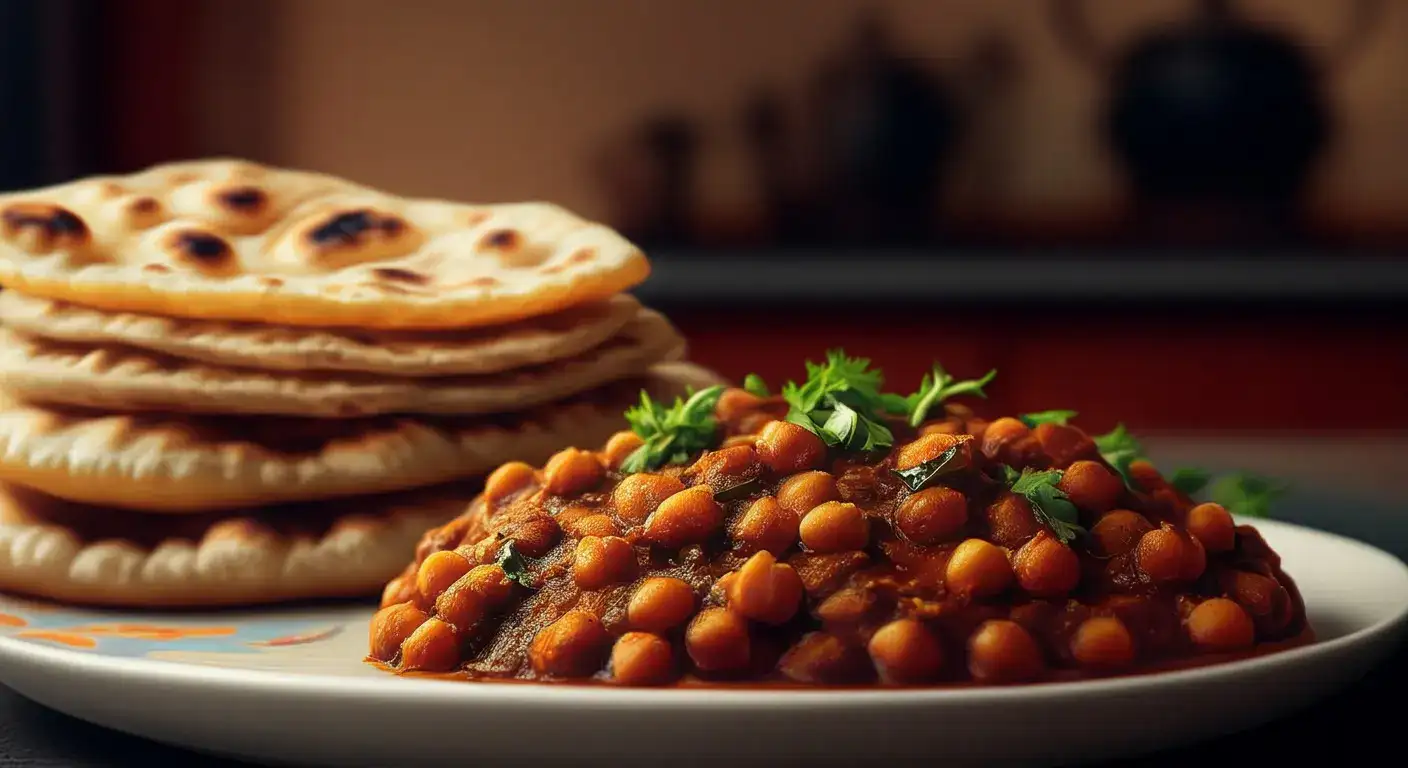
Many people prefer preparing Pindi Chana without onion and garlic, especially during religious fasting periods, festive occasions or for satvik-style meals. Despite the absence of onion and garlic, the dish remains highly flavourful because of carefully balanced spices, tea-infused chickpeas and slow cooking techniques that build depth naturally.
With the right preparation methods, this simple chickpea dish can become rich, aromatic and deeply satisfying.
Unlike heavily gravy-based chole recipes, Pindi Chana is usually drier and more concentrated in flavour. The chickpeas absorb spices directly during cooking, creating a robust and earthy taste.
The dark colour of the dish is often achieved using tea leaves or tea bags while boiling the chickpeas. This traditional method enhances appearance without artificial colouring.
The recipe also relies heavily on whole spices and roasted masalas rather than tomato-heavy gravy preparation.
Kabuli chana, black tea leaves or tea bags, cumin seeds, coriander powder, dry mango powder, turmeric, red chilli powder, black pepper and garam masala form the core flavour base.
Ginger, green chillies and fresh coriander leaves are usually added for freshness and aroma.
Some variations also include anardana powder or roasted cumin powder for additional tanginess and depth.
Using fresh spices often improves the final flavour significantly.
Dried chickpeas are usually soaked overnight to soften them before pressure cooking. While boiling, tea leaves tied in a muslin cloth or tea bags are added to the water to create the dish’s characteristic dark colour.
Salt and a few whole spices may also be added during boiling for deeper flavour absorption.
The chickpeas should become soft enough to absorb spices well while still retaining shape and texture.
Overcooked chickpeas may turn mushy and reduce the authentic texture of the dish.
Whole spices such as cumin, coriander seeds, black pepper and dry red chillies are often lightly roasted before grinding. This roasting process enhances aroma and creates richer flavour depth.
Because the recipe avoids onion and garlic, properly roasted spices play an even more important role in building complexity and warmth.
Freshly ground spice mixtures usually provide far better flavour than pre-packaged masalas.
Balanced seasoning helps the chickpeas remain flavourful without becoming excessively spicy.
Oil or ghee is heated before adding cumin seeds, ginger and green chillies for tempering. The powdered spices are then added carefully to avoid burning.
Cooked chickpeas are mixed thoroughly into the masala so every piece absorbs flavour evenly.
A small amount of reserved cooking water may be added if needed, but the curry is generally kept semi-dry rather than runny.
Slow simmering helps the spices coat the chickpeas properly and develop authentic flavour.
Many families prepare satvik meals during festivals, fasting periods or spiritual observances where onion and garlic are avoided.
Recipes like Pindi Chana demonstrate that flavourful cooking does not always depend on heavy gravies or rich aromatics.
The careful use of roasted spices, herbs and traditional cooking methods often creates equally satisfying results.
These recipes also highlight the diversity and adaptability of Indian vegetarian cuisine.
It is commonly served with bhature, kulcha, poori, paratha or simple chapati. Some people also enjoy it alongside jeera rice or lightly seasoned pulao.
Fresh onion salad is often skipped in no onion versions, but curd, pickle and green chutney may still accompany the meal.
A squeeze of lemon juice before serving can further enhance the spicy and tangy flavour profile.
The dish works well for both festive meals and comforting weekend lunches.
Using excessive water during the final cooking stage may also make the dish resemble regular chole instead of authentic semi-dry Pindi Chana.
Burning spices during tempering can create bitterness and overpower the overall flavour balance.
Similarly, adding too much dry mango powder or chilli powder may dominate the earthy taste of the chickpeas.
Balanced cooking and gradual flavour layering usually produce the best results.
Recipes passed through generations often focus on careful cooking techniques rather than excessive processing or artificial flavouring.
Preparing homemade curries also allows better control over spice levels, oil quantity and freshness.
Regional Indian dishes continue to hold cultural value because they preserve food traditions while offering deeply comforting meal experiences.
Pindi Chana without onion and garlic remains one of the most flavourful and satisfying vegetarian dishes in Punjabi cuisine. Its rich spices, dark-coloured chickpeas and semi-dry texture create a deeply comforting meal that feels both rustic and festive. With proper soaking, balanced spices and traditional cooking methods, this classic dish continues to offer authentic taste and wholesome satisfaction for everyday and special meals alike.
Many people prefer preparing Pindi Chana without onion and garlic, especially during religious fasting periods, festive occasions or for satvik-style meals. Despite the absence of onion and garlic, the dish remains highly flavourful because of carefully balanced spices, tea-infused chickpeas and slow cooking techniques that build depth naturally.
With the right preparation methods, this simple chickpea dish can become rich, aromatic and deeply satisfying.
What Makes Pindi Chana Different From Regular Chole?
Pindi Chana stands apart from regular Punjabi chole mainly because of its texture and spice profile.Unlike heavily gravy-based chole recipes, Pindi Chana is usually drier and more concentrated in flavour. The chickpeas absorb spices directly during cooking, creating a robust and earthy taste.
The dark colour of the dish is often achieved using tea leaves or tea bags while boiling the chickpeas. This traditional method enhances appearance without artificial colouring.
The recipe also relies heavily on whole spices and roasted masalas rather than tomato-heavy gravy preparation.
Ingredients Required For No Onion No Garlic Pindi Chana
The recipe uses chickpeas along with a combination of whole and powdered spices commonly found in Indian kitchens.Kabuli chana, black tea leaves or tea bags, cumin seeds, coriander powder, dry mango powder, turmeric, red chilli powder, black pepper and garam masala form the core flavour base.
Ginger, green chillies and fresh coriander leaves are usually added for freshness and aroma.
Some variations also include anardana powder or roasted cumin powder for additional tanginess and depth.
Using fresh spices often improves the final flavour significantly.
Preparing The Chickpeas Properly
Good Pindi Chana begins with properly cooked chickpeas.Dried chickpeas are usually soaked overnight to soften them before pressure cooking. While boiling, tea leaves tied in a muslin cloth or tea bags are added to the water to create the dish’s characteristic dark colour.
Salt and a few whole spices may also be added during boiling for deeper flavour absorption.
The chickpeas should become soft enough to absorb spices well while still retaining shape and texture.
Overcooked chickpeas may turn mushy and reduce the authentic texture of the dish.
Importance Of Dry Roasted Spices
One of the key features of Pindi Chana is its strong spice flavour.Whole spices such as cumin, coriander seeds, black pepper and dry red chillies are often lightly roasted before grinding. This roasting process enhances aroma and creates richer flavour depth.
Because the recipe avoids onion and garlic, properly roasted spices play an even more important role in building complexity and warmth.
Freshly ground spice mixtures usually provide far better flavour than pre-packaged masalas.
Balanced seasoning helps the chickpeas remain flavourful without becoming excessively spicy.
Cooking The Chana With Masala
After boiling, the chickpeas are cooked again with spices and minimal moisture.Oil or ghee is heated before adding cumin seeds, ginger and green chillies for tempering. The powdered spices are then added carefully to avoid burning.
Cooked chickpeas are mixed thoroughly into the masala so every piece absorbs flavour evenly.
A small amount of reserved cooking water may be added if needed, but the curry is generally kept semi-dry rather than runny.
Slow simmering helps the spices coat the chickpeas properly and develop authentic flavour.
Why No Onion And Garlic Versions Remain Popular
No onion and garlic recipes continue to remain important in many Indian homes because of cultural, religious and dietary preferences.Many families prepare satvik meals during festivals, fasting periods or spiritual observances where onion and garlic are avoided.
Recipes like Pindi Chana demonstrate that flavourful cooking does not always depend on heavy gravies or rich aromatics.
The careful use of roasted spices, herbs and traditional cooking methods often creates equally satisfying results.
These recipes also highlight the diversity and adaptability of Indian vegetarian cuisine.
Best Ways To Serve Pindi Chana
Pindi Chana pairs beautifully with several Indian breads and accompaniments.It is commonly served with bhature, kulcha, poori, paratha or simple chapati. Some people also enjoy it alongside jeera rice or lightly seasoned pulao.
Fresh onion salad is often skipped in no onion versions, but curd, pickle and green chutney may still accompany the meal.
A squeeze of lemon juice before serving can further enhance the spicy and tangy flavour profile.
The dish works well for both festive meals and comforting weekend lunches.
Common Mistakes To Avoid
One common mistake while preparing Pindi Chana is undercooking the chickpeas, which prevents proper flavour absorption.Using excessive water during the final cooking stage may also make the dish resemble regular chole instead of authentic semi-dry Pindi Chana.
Burning spices during tempering can create bitterness and overpower the overall flavour balance.
Similarly, adding too much dry mango powder or chilli powder may dominate the earthy taste of the chickpeas.
Balanced cooking and gradual flavour layering usually produce the best results.
Why Traditional Recipes Continue To Matter
Traditional dishes like Pindi Chana continue to remain popular because they combine simplicity, nutrition and rich flavour without requiring complicated ingredients.Recipes passed through generations often focus on careful cooking techniques rather than excessive processing or artificial flavouring.
Preparing homemade curries also allows better control over spice levels, oil quantity and freshness.
Regional Indian dishes continue to hold cultural value because they preserve food traditions while offering deeply comforting meal experiences.
Pindi Chana without onion and garlic remains one of the most flavourful and satisfying vegetarian dishes in Punjabi cuisine. Its rich spices, dark-coloured chickpeas and semi-dry texture create a deeply comforting meal that feels both rustic and festive. With proper soaking, balanced spices and traditional cooking methods, this classic dish continues to offer authentic taste and wholesome satisfaction for everyday and special meals alike.
Next Story