
Pet Bird Care: Protecting Birds from Smoke, Sprays and Fumes

Birds share the indoor environment with their owners, but their respiratory systems can make some airborne substances especially dangerous. A room that seems comfortable to a person may still expose a pet bird to fumes from cooking, smoke, sprays or heated household materials.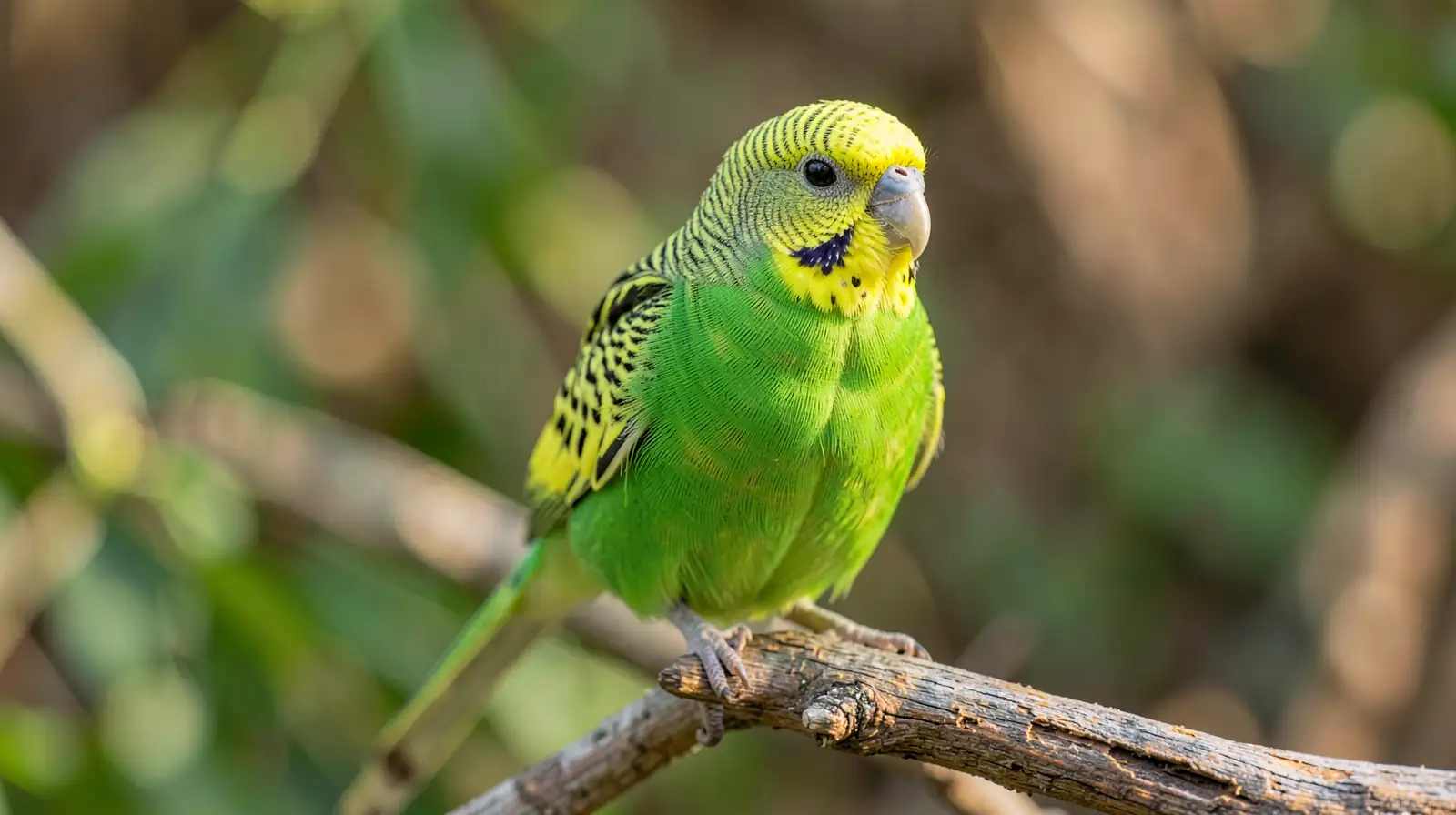
The safest approach is to think about air quality before using a product or appliance, rather than waiting until a bird shows signs of distress. Careful placement of the enclosure, sensible household routines and prompt veterinary advice when exposure is suspected can all contribute to safer bird care.
Opening a window or moving a bird only a short distance may not provide adequate protection from a serious airborne hazard. If you keep birds, review the materials used in cookware and appliances before heating them.
Never allow a bird to fly freely around a busy cooking area. Hot surfaces, open containers, sharp utensils and sudden movements create additional dangers.
Where a product must be used, follow its safety instructions and arrange for the bird to remain in a genuinely separate, safe environment. Ventilate the area appropriately before the bird returns, while recognising that ventilation alone may not make every hazardous product safe.
Store chemicals in closed containers and keep them out of reach. Avoid spraying anything directly into or near an enclosure.
Consider the air quality implications of activities in neighbouring rooms as well. Odours and airborne substances can travel through a home, so a closed door or a short distance may not always be enough.
Do not wait for symptoms to become severe, and do not attempt home remedies. Preventing exposure is far safer than trying to treat its consequences.
The safest approach is to think about air quality before using a product or appliance, rather than waiting until a bird shows signs of distress. Careful placement of the enclosure, sensible household routines and prompt veterinary advice when exposure is suspected can all contribute to safer bird care.
Take special care around cooking
The kitchen is a poor place for a bird enclosure because cooking can release smoke, grease particles and fumes. Some non-stick cookware and other heated products may release highly toxic emissions if overheated. Birds should be kept well away from cooking areas, and owners should follow veterinary guidance on avoiding products that can release dangerous fumes.Opening a window or moving a bird only a short distance may not provide adequate protection from a serious airborne hazard. If you keep birds, review the materials used in cookware and appliances before heating them.
Never allow a bird to fly freely around a busy cooking area. Hot surfaces, open containers, sharp utensils and sudden movements create additional dangers.
You may also like
- At five, Madden Shelley discovered gymnastics at a birthday party; years later, serious injuries threatened his career, but he went on to hold a handstand on his knuckles for 1 minute 23 seconds
- Meet the Chennai children who travelled to London and returned with six Guinness records, including 190 hoop rotations in one minute and a 15-minute challenge performed in the splits
- She bought a ₹200 coupon at a Garba event and wrote her 6-year-old grandson's name on it; a year later, grandmother Kiran Raikwar's family received the ₹50 lakh SUV they had dreamed of owning for years
- In 2018, Andhra Pradesh's Singampalli Parwathi borrowed Rs 20,000 to trade raw cashews; today she processes 11 grades of cashew kernels and reports annual business turnover near Rs 50 lakh
- Peter Marino named CFDA's 2026 'Fashion Icon' for his bold influence on luxury fashion
Be cautious with sprays and cleaning products
Air fresheners, aerosol sprays, perfume, paint, solvents and strong cleaning products can affect indoor air. Avoid using these substances near birds, and do not assume that a product is safe simply because it is marketed for household use.Where a product must be used, follow its safety instructions and arrange for the bird to remain in a genuinely separate, safe environment. Ventilate the area appropriately before the bird returns, while recognising that ventilation alone may not make every hazardous product safe.
Store chemicals in closed containers and keep them out of reach. Avoid spraying anything directly into or near an enclosure.
Choose a sensible location for the enclosure
Place the cage in a stable area away from cooking fumes, cigarette smoke, fireplaces and strong chemical odours. Keep it away from draughts and direct heat while ensuring that the room has suitable ventilation.Consider the air quality implications of activities in neighbouring rooms as well. Odours and airborne substances can travel through a home, so a closed door or a short distance may not always be enough.
Know when to seek help
If a bird may have inhaled dangerous fumes, move it away from the suspected source into clean air if this can be done safely and contact an avian veterinarian urgently. Breathing difficulty, weakness, loss of balance or sudden unusual behaviour require immediate attention.Do not wait for symptoms to become severe, and do not attempt home remedies. Preventing exposure is far safer than trying to treat its consequences.






Loving Newspoint? Download the app now
