
<b>Indoor</b> Cat Care: Simple Ways to Keep Your Pet Active and Engaged

Keeping a cat indoors can help reduce exposure to traffic, fights with other animals and certain infectious diseases. However, indoor living does not automatically meet every cat's physical and behavioural needs.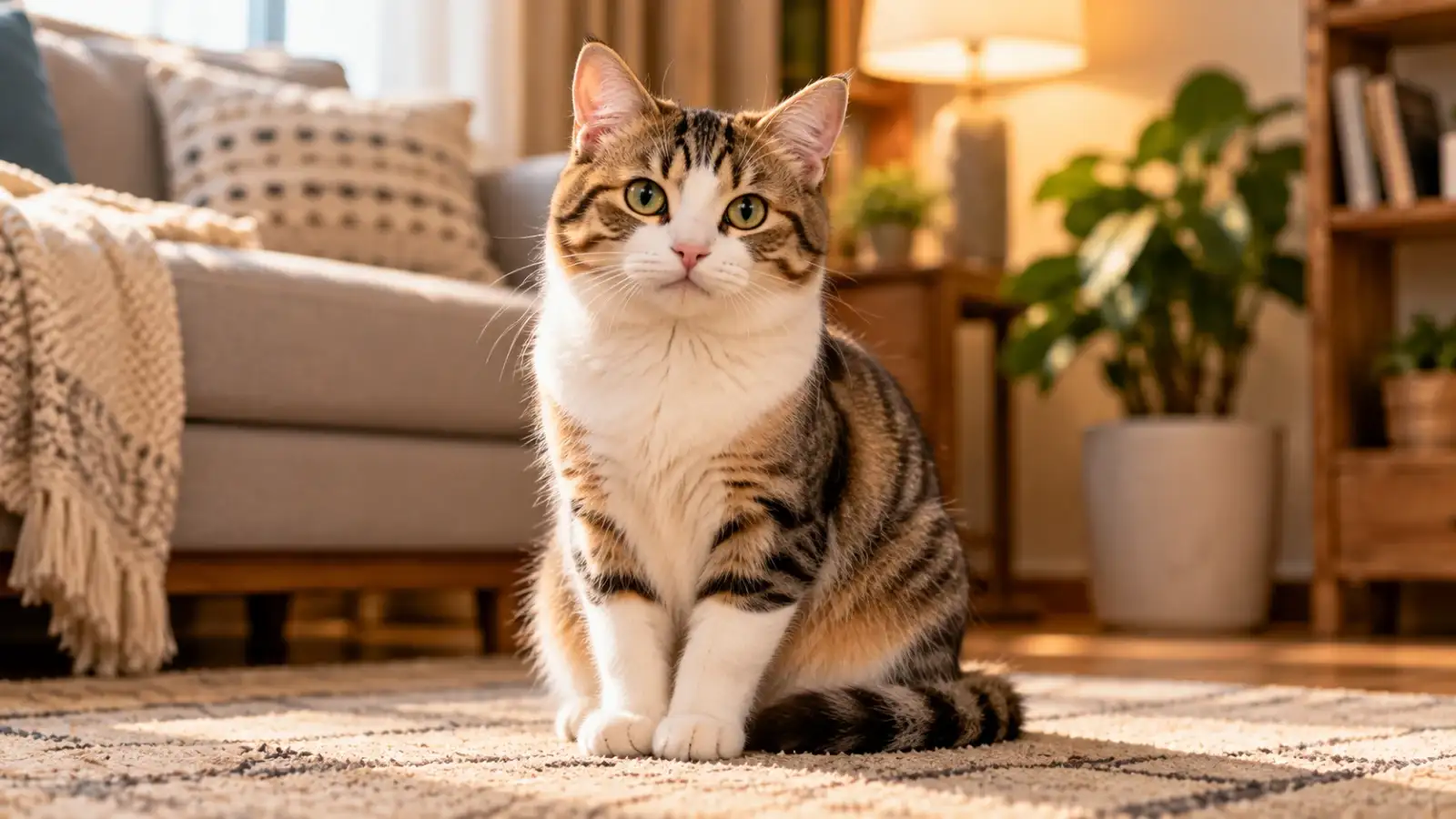
Cats are naturally curious animals that benefit from opportunities to investigate their surroundings, stalk moving objects, scratch suitable surfaces and choose comfortable places to rest. Without enough stimulation, some cats may become inactive, restless or destructive.
The good news is that enrichment does not require expensive equipment. A few thoughtful changes to the home and a consistent play routine can make a meaningful difference.
Make sure furniture and climbing equipment cannot topple over. Keep shelves away from open windows and balconies unless the area is securely protected with suitable pet-proof screening.
A window perch can offer visual stimulation through birds, moving leaves and everyday activity. However, ensure the cat cannot escape or become trapped while exploring the area.
Give your cat access to quiet hiding places as well. A covered bed, cardboard box or sheltered corner can provide a retreat when the household becomes noisy.
Interactive play allows a cat to chase and pounce in a controlled environment. Move the toy in ways that resemble prey, giving the cat opportunities to stalk and catch it.
Always supervise toys with strings, ribbons, feathers or small detachable parts. These can become dangerous if swallowed, so put them away after play.
Avoid forcing a cat to participate. Some cats prefer short, energetic sessions, while others enjoy slower games or food-based activities.
You can also hide small portions of the cat's usual food in safe, accessible places around a room. This encourages exploration without requiring additional treats.
Account for treats and puzzle food in the cat's daily intake. Excessive treats can contribute to weight gain, while sudden changes in diet may upset digestion.
If your cat has a medical condition or a prescribed diet, ask your veterinarian before changing feeding arrangements.
Some cats prefer vertical posts, while others favour horizontal surfaces. Place the scratcher near a commonly used resting area or a location where the cat already scratches.
Do not punish scratching. Redirect the behaviour towards an appropriate surface and reward the cat for using it.
If there are multiple cats at home, make sure they have access to separate resources, including food and water stations, litter trays, resting places and scratching areas.
Changes in hiding, appetite, grooming or activity can sometimes indicate stress or illness. Consult a veterinarian if these changes persist or appear suddenly.
Observe which activities your cat enjoys and adjust the environment accordingly. A few safe climbing options, rotating toys and regular attention can help make indoor life more engaging.
The goal is not to keep a cat busy every minute. It is to create a secure home where the animal can explore, play, rest and express normal feline behaviour.
Cats are naturally curious animals that benefit from opportunities to investigate their surroundings, stalk moving objects, scratch suitable surfaces and choose comfortable places to rest. Without enough stimulation, some cats may become inactive, restless or destructive.
The good news is that enrichment does not require expensive equipment. A few thoughtful changes to the home and a consistent play routine can make a meaningful difference.
1. Create Places to Climb and Observe
Cats often enjoy elevated resting places where they can observe their surroundings. A stable cat tree, secure shelf system or suitable window perch can provide opportunities to climb and look outside.Make sure furniture and climbing equipment cannot topple over. Keep shelves away from open windows and balconies unless the area is securely protected with suitable pet-proof screening.
A window perch can offer visual stimulation through birds, moving leaves and everyday activity. However, ensure the cat cannot escape or become trapped while exploring the area.
Give your cat access to quiet hiding places as well. A covered bed, cardboard box or sheltered corner can provide a retreat when the household becomes noisy.
2. Choose Toys That Encourage Natural Behaviour
Wand toys, lightweight balls and toys that can be batted around can encourage movement and play. Rotate toys every few days rather than leaving every item available all the time.Interactive play allows a cat to chase and pounce in a controlled environment. Move the toy in ways that resemble prey, giving the cat opportunities to stalk and catch it.
Always supervise toys with strings, ribbons, feathers or small detachable parts. These can become dangerous if swallowed, so put them away after play.
Avoid forcing a cat to participate. Some cats prefer short, energetic sessions, while others enjoy slower games or food-based activities.
3. Make Feeding More Interesting
Food puzzles and treat-dispensing toys can encourage a cat to work for part of its food. Begin with simple designs that allow the cat to understand how the activity works.You can also hide small portions of the cat's usual food in safe, accessible places around a room. This encourages exploration without requiring additional treats.
Account for treats and puzzle food in the cat's daily intake. Excessive treats can contribute to weight gain, while sudden changes in diet may upset digestion.
You may also like
- Pradosh Vrat in October 2026: Significance and Observance Dates
- Pradosh Vrat 2026: When is Pradosh Vrat in October? Find out the date and the timing of the Pradosh Kaal..
- Karwa Chauth: Will the fast be observed on October 28 or 29? Find out the auspicious timing for worship and the time of moonrise..
- Zepto: Why is it under fire now..?
- Mahindra Scorpio: New clues emerge from South Africa testing..
If your cat has a medical condition or a prescribed diet, ask your veterinarian before changing feeding arrangements.
4. Provide Suitable Scratching Surfaces
Scratching helps cats maintain their claws and perform a normal behaviour. Offer stable scratching posts or boards made from materials your cat likes.Some cats prefer vertical posts, while others favour horizontal surfaces. Place the scratcher near a commonly used resting area or a location where the cat already scratches.
Do not punish scratching. Redirect the behaviour towards an appropriate surface and reward the cat for using it.
5. Respect Your Cat's Need for Choice
Not every cat enjoys being handled or approached frequently. Allow your pet to choose when to interact, and provide spaces where it can rest undisturbed.If there are multiple cats at home, make sure they have access to separate resources, including food and water stations, litter trays, resting places and scratching areas.
Changes in hiding, appetite, grooming or activity can sometimes indicate stress or illness. Consult a veterinarian if these changes persist or appear suddenly.
6. Build a Simple Daily Routine
Several short play sessions may suit many cats better than one prolonged session. Combine movement, food activities, rest and gentle interaction throughout the day.Observe which activities your cat enjoys and adjust the environment accordingly. A few safe climbing options, rotating toys and regular attention can help make indoor life more engaging.
The goal is not to keep a cat busy every minute. It is to create a secure home where the animal can explore, play, rest and express normal feline behaviour.






Loving Newspoint? Download the app now
