
Simple Makeup Tricks to Keep Your Lip Gloss Shiny for Longer

Lip gloss adds shine, makes lips look fuller and gives even a simple makeup look a polished finish. However, its biggest drawback is that it often fades faster than lipstick. A few sips of coffee, a meal or repeated contact with your lips can remove much of the shine, leaving you reaching for the applicator throughout the day.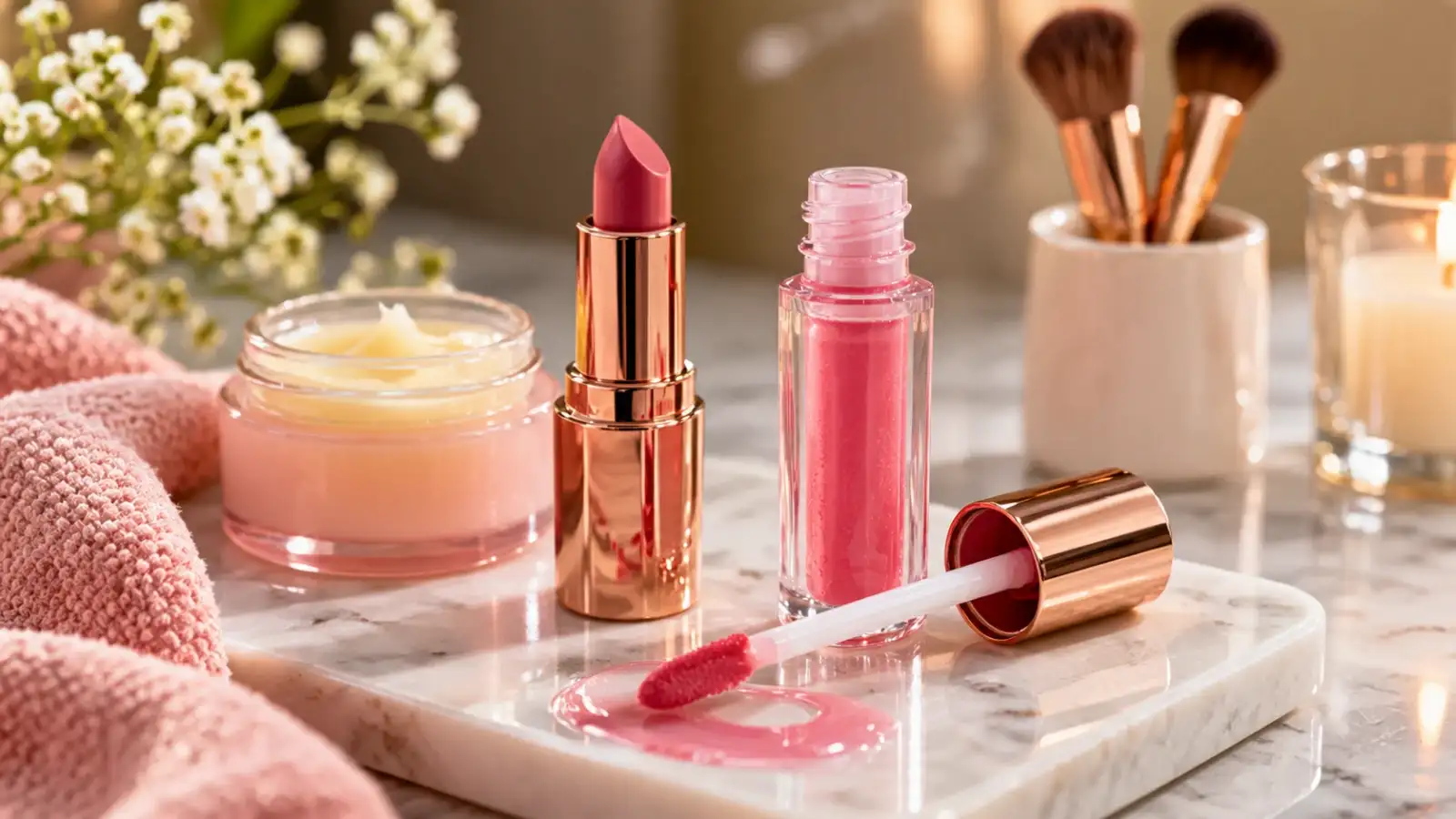
The good news is that you can make lip gloss last longer without constantly adding another layer. The secret lies in preparing your lips properly, choosing compatible products and applying gloss in a way that helps it stay in place. You do not need an expensive product or a complicated makeup routine to get better results.
Apply a simple lip balm and give it a few minutes to absorb. If the balm leaves a thick, slippery layer, gently blot away the excess with a tissue before applying your colour products. Too much balm underneath gloss can make the makeup slide around rather than stay evenly distributed.
For particularly dry lips, regular moisturising throughout the day can help improve their condition over time. Avoid licking or biting your lips, as these habits can increase dryness. Smooth lips provide a better base for gloss, although preparation alone cannot make every formula transfer-proof.
Outline your lips gently, following their natural shape. For a more even finish, fill in the lips with a thin layer of liner rather than drawing only around the edges. This creates a base of colour that may remain visible even after some of the gloss wears away.
If you prefer a natural look, use a nude or soft pink liner and blend it lightly towards the centre. For deeper gloss shades, choose a complementary liner that does not create a harsh outline. Avoid applying a thick, waxy layer, as too much product can make the finish feel heavy.
Lip liner will not prevent gloss from transferring completely, but it can help maintain the appearance of colour between applications.
Start with a small amount in the centre of your lower lip. Spread it towards the edges, then apply a light layer to the upper lip. Add a little more only where you want extra shine, such as the centre of the lips.
Thin layers tend to feel more comfortable and are easier to manage throughout the day. They may also help prevent gloss from collecting in the corners of the mouth. If your gloss has a large applicator, wipe off some of the excess on the inside of the tube before applying it.
Remember that a very glossy finish naturally moves more easily than a dry, long-wearing lipstick. The goal is to make the product wear more neatly, not to expect it to remain untouched after eating and drinking.
If longevity is your priority, look for glosses described as long-wearing or transfer-resistant. Lip lacquer formulas and gloss-stain hybrids may offer a useful balance of colour and shine, although their performance varies by product. A gloss with a little more pigmentation can also leave some colour behind as the shine gradually wears off.
Consider your daily activities before choosing a formula. For a short outing, a high-shine gloss may be sufficient. For a long workday or an event, a pigmented formula layered over lip liner may provide a more lasting appearance.
Remember that no conventional high-shine gloss is guaranteed to remain intact after eating, drinking or repeated rubbing. Choosing the right formula can reduce frequent touch-ups, but some fading is normal.
Start by applying a thin layer of lipstick in a shade that complements your gloss. Blot gently with a tissue to remove excess product, then apply a small amount of gloss over the top. A satin or matte lipstick may work well as the base, depending on the finish you want.
For a natural everyday look, combine a nude lipstick with a clear or pink gloss. For a more defined appearance, use a matching lip liner and lipstick before adding gloss to the centre of the lips.
Avoid applying several thick layers of creamy products, as they can become slippery and transfer more easily. The aim is to create a lightweight colour base, not a heavy coating.
If you are layering lipstick and gloss, blot the lipstick before adding the gloss. This helps reduce excess colour and creates a neater base. Once the gloss is applied, avoid repeatedly pressing your lips together or rubbing them with a tissue.
If you want to experiment with layering, apply a thin coat of lipstick, blot gently, add another light coat if needed and finish with gloss. This approach helps build colour without leaving a thick layer of product on the lips.
Do not apply loose powder directly over a high-shine gloss if you want to preserve its glossy finish. Powder can dull the shine and change the texture. For a glossy look, keeping the layers thin is usually more useful than trying to set the gloss like a matte lipstick.
When drinking, using a straw may reduce some direct contact between your lips and the glass, although it will not prevent transfer completely. Greasy foods can break down or move lip products more quickly, so some fading after a meal is to be expected.
Try not to touch your lips unnecessarily throughout the day. If the gloss starts to fade, check whether the colour underneath is still intact before adding more product. You may only need a small amount in the centre of the lips to restore the shine.
Avoid layering fresh gloss over food residue or a mixture of old, uneven product. If necessary, gently clean your lips, allow them to dry and apply a small amount again. This helps prevent a patchy finish and unnecessary product build-up.
Use a gentle, non-irritating lip balm when your lips feel dry, especially before bedtime. Ingredients such as petrolatum, ceramides and shea butter can help protect the skin barrier. Before applying gloss, allow the balm to absorb and remove any excess that leaves the lips slippery.
Avoid harsh scrubs, picking at flakes or using irritating products to make your lips look smoother. Strong fragrances and certain flavouring ingredients can irritate sensitive lips. If a lip product causes persistent burning, itching or swelling, stop using it.
If your lips are exposed to sunlight for extended periods, consider a lip balm with SPF 30 or higher. Healthy lips may help makeup look smoother, but lip care should focus on comfort and protection rather than making gloss last at any cost.
Making lip gloss last longer is mainly about preparation, product choice and application technique. Smooth lips, a lightweight base, matching lip liner and thin layers can help reduce uneven fading and keep your makeup looking neat for longer.
However, gloss is designed to provide shine, so some transfer and fading are unavoidable. Rather than repeatedly applying thick layers, refresh only the areas that need it. With a few adjustments to your routine, you can maintain a glossy finish without reaching for your applicator every few minutes.
The good news is that you can make lip gloss last longer without constantly adding another layer. The secret lies in preparing your lips properly, choosing compatible products and applying gloss in a way that helps it stay in place. You do not need an expensive product or a complicated makeup routine to get better results.
1. Start With Smooth, Well-Moisturised Lips
Dry, flaky lips can make lip gloss look uneven and cause the product to settle into fine lines. Before applying makeup, make sure your lips feel smooth and comfortable. You can gently remove loose flakes with a soft, damp cloth, but avoid scrubbing hard or exfoliating lips that are already cracked or irritated.Apply a simple lip balm and give it a few minutes to absorb. If the balm leaves a thick, slippery layer, gently blot away the excess with a tissue before applying your colour products. Too much balm underneath gloss can make the makeup slide around rather than stay evenly distributed.
For particularly dry lips, regular moisturising throughout the day can help improve their condition over time. Avoid licking or biting your lips, as these habits can increase dryness. Smooth lips provide a better base for gloss, although preparation alone cannot make every formula transfer-proof.
2. Use a Lip Liner Before Applying Gloss
Lip liner can help your lip colour look more defined and reduce the appearance of fading around the edges. Choose a liner that closely matches your natural lip colour or the shade of your gloss.Outline your lips gently, following their natural shape. For a more even finish, fill in the lips with a thin layer of liner rather than drawing only around the edges. This creates a base of colour that may remain visible even after some of the gloss wears away.
If you prefer a natural look, use a nude or soft pink liner and blend it lightly towards the centre. For deeper gloss shades, choose a complementary liner that does not create a harsh outline. Avoid applying a thick, waxy layer, as too much product can make the finish feel heavy.
Lip liner will not prevent gloss from transferring completely, but it can help maintain the appearance of colour between applications.
3. Apply Lip Gloss in Thin Layers
One of the easiest ways to improve the finish is to use less product. Applying a thick coat may create an intense shine initially, but excess gloss can feel sticky, move beyond the lip line and transfer onto cups or clothing.Start with a small amount in the centre of your lower lip. Spread it towards the edges, then apply a light layer to the upper lip. Add a little more only where you want extra shine, such as the centre of the lips.
Thin layers tend to feel more comfortable and are easier to manage throughout the day. They may also help prevent gloss from collecting in the corners of the mouth. If your gloss has a large applicator, wipe off some of the excess on the inside of the tube before applying it.
Remember that a very glossy finish naturally moves more easily than a dry, long-wearing lipstick. The goal is to make the product wear more neatly, not to expect it to remain untouched after eating and drinking.
4. Choose a Lip Gloss Formula That Suits Your Needs
Not all lip glosses have the same staying power. Some are designed mainly for intense shine, while others focus on colour payoff, a less sticky finish or longer wear. A very lightweight, transparent gloss may fade faster than a more pigmented formula.If longevity is your priority, look for glosses described as long-wearing or transfer-resistant. Lip lacquer formulas and gloss-stain hybrids may offer a useful balance of colour and shine, although their performance varies by product. A gloss with a little more pigmentation can also leave some colour behind as the shine gradually wears off.
Consider your daily activities before choosing a formula. For a short outing, a high-shine gloss may be sufficient. For a long workday or an event, a pigmented formula layered over lip liner may provide a more lasting appearance.
Remember that no conventional high-shine gloss is guaranteed to remain intact after eating, drinking or repeated rubbing. Choosing the right formula can reduce frequent touch-ups, but some fading is normal.
5. Layer Lipstick Under Your Gloss
If your favourite gloss disappears quickly, try pairing it with lipstick. This technique creates a coloured base underneath the glossy finish, so your lips can retain some definition even when the top layer wears away.Start by applying a thin layer of lipstick in a shade that complements your gloss. Blot gently with a tissue to remove excess product, then apply a small amount of gloss over the top. A satin or matte lipstick may work well as the base, depending on the finish you want.
For a natural everyday look, combine a nude lipstick with a clear or pink gloss. For a more defined appearance, use a matching lip liner and lipstick before adding gloss to the centre of the lips.
Avoid applying several thick layers of creamy products, as they can become slippery and transfer more easily. The aim is to create a lightweight colour base, not a heavy coating.
6. Blot Strategically, but Do Not Remove All the Shine
Blotting can help remove excess product that might otherwise move around your lips. However, the technique matters because pressing a tissue firmly against freshly applied gloss may remove much of the shine you want to preserve.If you are layering lipstick and gloss, blot the lipstick before adding the gloss. This helps reduce excess colour and creates a neater base. Once the gloss is applied, avoid repeatedly pressing your lips together or rubbing them with a tissue.
If you want to experiment with layering, apply a thin coat of lipstick, blot gently, add another light coat if needed and finish with gloss. This approach helps build colour without leaving a thick layer of product on the lips.
Do not apply loose powder directly over a high-shine gloss if you want to preserve its glossy finish. Powder can dull the shine and change the texture. For a glossy look, keeping the layers thin is usually more useful than trying to set the gloss like a matte lipstick.
7. Be Careful When Eating, Drinking and Touching Your Lips
Even a well-applied gloss can wear away when it comes into contact with food, drinks, tissues or your hands. Repeatedly licking your lips or pressing them together can also disturb the product.When drinking, using a straw may reduce some direct contact between your lips and the glass, although it will not prevent transfer completely. Greasy foods can break down or move lip products more quickly, so some fading after a meal is to be expected.
Try not to touch your lips unnecessarily throughout the day. If the gloss starts to fade, check whether the colour underneath is still intact before adding more product. You may only need a small amount in the centre of the lips to restore the shine.
Avoid layering fresh gloss over food residue or a mixture of old, uneven product. If necessary, gently clean your lips, allow them to dry and apply a small amount again. This helps prevent a patchy finish and unnecessary product build-up.
You may also like
- Angel number 222: why believers link it to balance in relationships
- 'Kon Honar Crorepati': Madhuri Dixit Remembers Nana Patekar After His Death
- Bloated After a Heavy Feast: 5 Time-Tested Grandmothers' Remedies for Instant Relief
- Cushing's Syndrome During Pregnancy: Risks to Mother and Baby
- Amid pregnancy rumours, Kim Kardashian steps out in baby pink outfit to support Lewis Hamilton at Singapore GP
8. Keep Your Lips Healthy Between Makeup Applications
Long-lasting lip makeup starts with comfortable, healthy lips. When the lips are cracked or flaky, gloss can collect around dry patches and look uneven. Preparing your lips regularly can improve how makeup sits on the surface.Use a gentle, non-irritating lip balm when your lips feel dry, especially before bedtime. Ingredients such as petrolatum, ceramides and shea butter can help protect the skin barrier. Before applying gloss, allow the balm to absorb and remove any excess that leaves the lips slippery.
Avoid harsh scrubs, picking at flakes or using irritating products to make your lips look smoother. Strong fragrances and certain flavouring ingredients can irritate sensitive lips. If a lip product causes persistent burning, itching or swelling, stop using it.
If your lips are exposed to sunlight for extended periods, consider a lip balm with SPF 30 or higher. Healthy lips may help makeup look smoother, but lip care should focus on comfort and protection rather than making gloss last at any cost.
A Simple Routine for Longer-Lasting Lip Gloss
Follow this order when you want your lip gloss to stay looking fresh for longer.- Prepare your lips by gently removing loose flakes without scrubbing.
- Apply a small amount of lip balm and let it absorb.
- Use a matching lip liner, filling in the lips if you want the colour to last after the gloss fades.
- Add a thin layer of lipstick if you want extra colour.
- Apply a small amount of gloss, concentrating on the centre and spreading it evenly.
- Avoid rubbing your lips together repeatedly or adding more product before checking how much has faded.
Making lip gloss last longer is mainly about preparation, product choice and application technique. Smooth lips, a lightweight base, matching lip liner and thin layers can help reduce uneven fading and keep your makeup looking neat for longer.
However, gloss is designed to provide shine, so some transfer and fading are unavoidable. Rather than repeatedly applying thick layers, refresh only the areas that need it. With a few adjustments to your routine, you can maintain a glossy finish without reaching for your applicator every few minutes.






Loving Newspoint? Download the app now
