
How To Master The Perfect Paneer Paratha & Make It Your Signature Dish

Paneer paratha is not just a breakfast favourite; it is a comfort food that holds a special place in Indian households. Soft wheat flatbreads stuffed generously with spiced cottage cheese, or paneer, this dish is a delicious way to start your day or satisfy your hunger at any time. It is rich in protein, easy to prepare, and incredibly satisfying. While its roots lie in the heartland of North India, particularly Punjab, paneer paratha has now become a loved item across the country and even beyond. It is a perfect blend of taste and nourishment, making it ideal for both everyday meals and special occasions.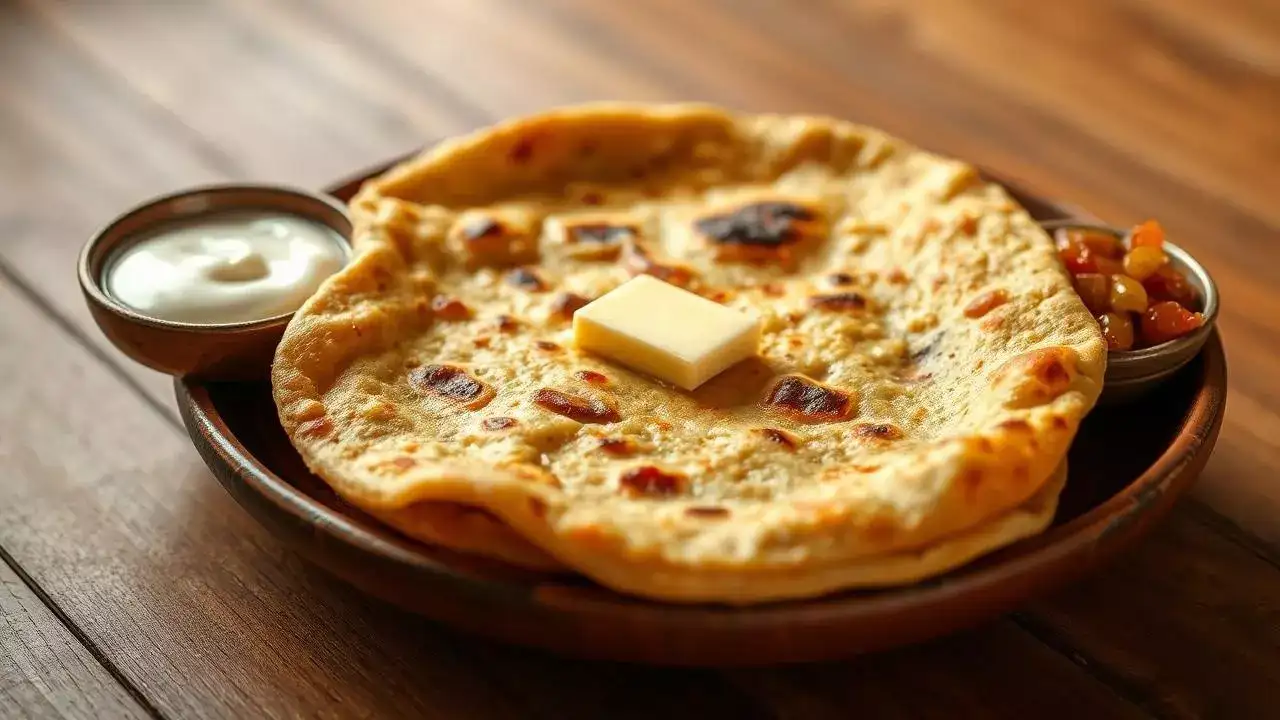
The Origin and Cultural Significance
Paneer paratha originates from North India, where parathas are a staple in most households. In states like Punjab and Haryana, stuffed parathas are a common breakfast item, often served with a dollop of butter and a bowl of curd or pickle. Paneer, being a high-protein dairy product, makes the dish hearty and nutritious. In traditional Indian kitchens, paneer paratha is often prepared with freshly made paneer, which is seasoned with spices like cumin, coriander, and garam masala, lending it a robust flavour. Over the years, this humble stuffed bread has found its way into modern homes, tiffins, restaurants, and even fusion menus, maintaining its essence while adapting to new tastes.
Ingredients That Make It Special
What sets paneer paratha apart from other types of stuffed breads is its filling. Fresh paneer is crumbled and mixed with finely chopped green chillies, coriander leaves, grated ginger, carom seeds (ajwain), and a medley of aromatic spices. The dough is made from whole wheat flour, ensuring a healthy base. Some variations include chopped onions or even peas to enhance the flavour and texture. The use of ghee or butter for cooking the parathas further elevates the taste, giving them a crisp, golden exterior while keeping them soft on the inside.
How to Make the Perfect Paneer Paratha at Home
Preparing stuffed paneer paratha at home is both easy and rewarding. Begin by making a soft dough with whole wheat flour, water, and a pinch of salt. Let the dough rest while you prepare the stuffing. Crumble fresh paneer in a bowl and mix it with chopped chillies, ginger, coriander, carom seeds, and salt. Divide the dough into equal portions, roll out a ball into a small disc, place the stuffing in the centre, seal it, and roll it gently into a flatbread. Cook on a hot tawa (griddle) with a touch of ghee until both sides are golden and crisp. Serve hot with butter, curd, and pickle for a truly traditional experience.
Nutritional Value and Health Benefits
Paneer paratha is not only delicious but also highly nutritious. Paneer is an excellent source of protein, especially important for vegetarians. It is also rich in calcium and phosphorus, which support bone health. Whole wheat flour adds dietary fibre, making the dish filling and good for digestion. When prepared with minimal ghee and served with curd instead of cream or butter, it becomes a balanced meal suitable for weight management and general well-being. It can also be adapted for health-conscious eaters by using low-fat paneer or adding greens like spinach to the filling.
Modern Variations and Serving Ideas
Over time, food lovers and home chefs have given their own twist to the classic paneer paratha. Some add herbs like mint or fenugreek leaves for an earthy note, while others incorporate grated vegetables like carrots or beetroot. For kids, you can even stuff cheese along with paneer to make it more appealing. Paneer paratha can be served in various ways – with plain curd, mint chutney, spicy pickle, or even a tangy tomato salsa for a fusion touch. It also pairs beautifully with a glass of lassi or masala chai for a complete North Indian meal experience.
A Dish That Brings People Together
Whether it’s a lazy Sunday brunch or a special family breakfast, stuffed paneer paratha has the ability to bring people together. The process of rolling, stuffing, and cooking is often shared among family members in Indian households, turning it into a delightful bonding activity. The aroma of ghee on the hot tawa, the sizzle as the paratha cooks, and the joy of tearing into a warm, stuffed flatbread fresh off the pan create an experience that’s more than just food — it’s nostalgia, comfort, and love all wrapped in one.
The Origin and Cultural Significance
Paneer paratha originates from North India, where parathas are a staple in most households. In states like Punjab and Haryana, stuffed parathas are a common breakfast item, often served with a dollop of butter and a bowl of curd or pickle. Paneer, being a high-protein dairy product, makes the dish hearty and nutritious. In traditional Indian kitchens, paneer paratha is often prepared with freshly made paneer, which is seasoned with spices like cumin, coriander, and garam masala, lending it a robust flavour. Over the years, this humble stuffed bread has found its way into modern homes, tiffins, restaurants, and even fusion menus, maintaining its essence while adapting to new tastes.
Ingredients That Make It Special
What sets paneer paratha apart from other types of stuffed breads is its filling. Fresh paneer is crumbled and mixed with finely chopped green chillies, coriander leaves, grated ginger, carom seeds (ajwain), and a medley of aromatic spices. The dough is made from whole wheat flour, ensuring a healthy base. Some variations include chopped onions or even peas to enhance the flavour and texture. The use of ghee or butter for cooking the parathas further elevates the taste, giving them a crisp, golden exterior while keeping them soft on the inside.
How to Make the Perfect Paneer Paratha at Home
Preparing stuffed paneer paratha at home is both easy and rewarding. Begin by making a soft dough with whole wheat flour, water, and a pinch of salt. Let the dough rest while you prepare the stuffing. Crumble fresh paneer in a bowl and mix it with chopped chillies, ginger, coriander, carom seeds, and salt. Divide the dough into equal portions, roll out a ball into a small disc, place the stuffing in the centre, seal it, and roll it gently into a flatbread. Cook on a hot tawa (griddle) with a touch of ghee until both sides are golden and crisp. Serve hot with butter, curd, and pickle for a truly traditional experience.
Nutritional Value and Health Benefits
Paneer paratha is not only delicious but also highly nutritious. Paneer is an excellent source of protein, especially important for vegetarians. It is also rich in calcium and phosphorus, which support bone health. Whole wheat flour adds dietary fibre, making the dish filling and good for digestion. When prepared with minimal ghee and served with curd instead of cream or butter, it becomes a balanced meal suitable for weight management and general well-being. It can also be adapted for health-conscious eaters by using low-fat paneer or adding greens like spinach to the filling.
Modern Variations and Serving Ideas
Over time, food lovers and home chefs have given their own twist to the classic paneer paratha. Some add herbs like mint or fenugreek leaves for an earthy note, while others incorporate grated vegetables like carrots or beetroot. For kids, you can even stuff cheese along with paneer to make it more appealing. Paneer paratha can be served in various ways – with plain curd, mint chutney, spicy pickle, or even a tangy tomato salsa for a fusion touch. It also pairs beautifully with a glass of lassi or masala chai for a complete North Indian meal experience.
A Dish That Brings People Together
Whether it’s a lazy Sunday brunch or a special family breakfast, stuffed paneer paratha has the ability to bring people together. The process of rolling, stuffing, and cooking is often shared among family members in Indian households, turning it into a delightful bonding activity. The aroma of ghee on the hot tawa, the sizzle as the paratha cooks, and the joy of tearing into a warm, stuffed flatbread fresh off the pan create an experience that’s more than just food — it’s nostalgia, comfort, and love all wrapped in one.
Next Story