
How To Make Pav Bhaji That Tastes Just Like Mumbai’s Famous Street Stalls

Few dishes capture the spirit of Mumbai quite like Pav Bhaji. Born on the city’s bustling streets as a quick, filling meal for textile workers, this spicy mash of vegetables served with butter-toasted buns has grown into a beloved culinary icon. Its rich aroma, vivid orange hue, and comforting taste have made it a staple across Indian homes and restaurants. Whether enjoyed at a roadside stall or recreated in a home kitchen, Pav Bhaji remains a flavourful tribute to the soul of street food — bold, messy, hearty, and utterly satisfying.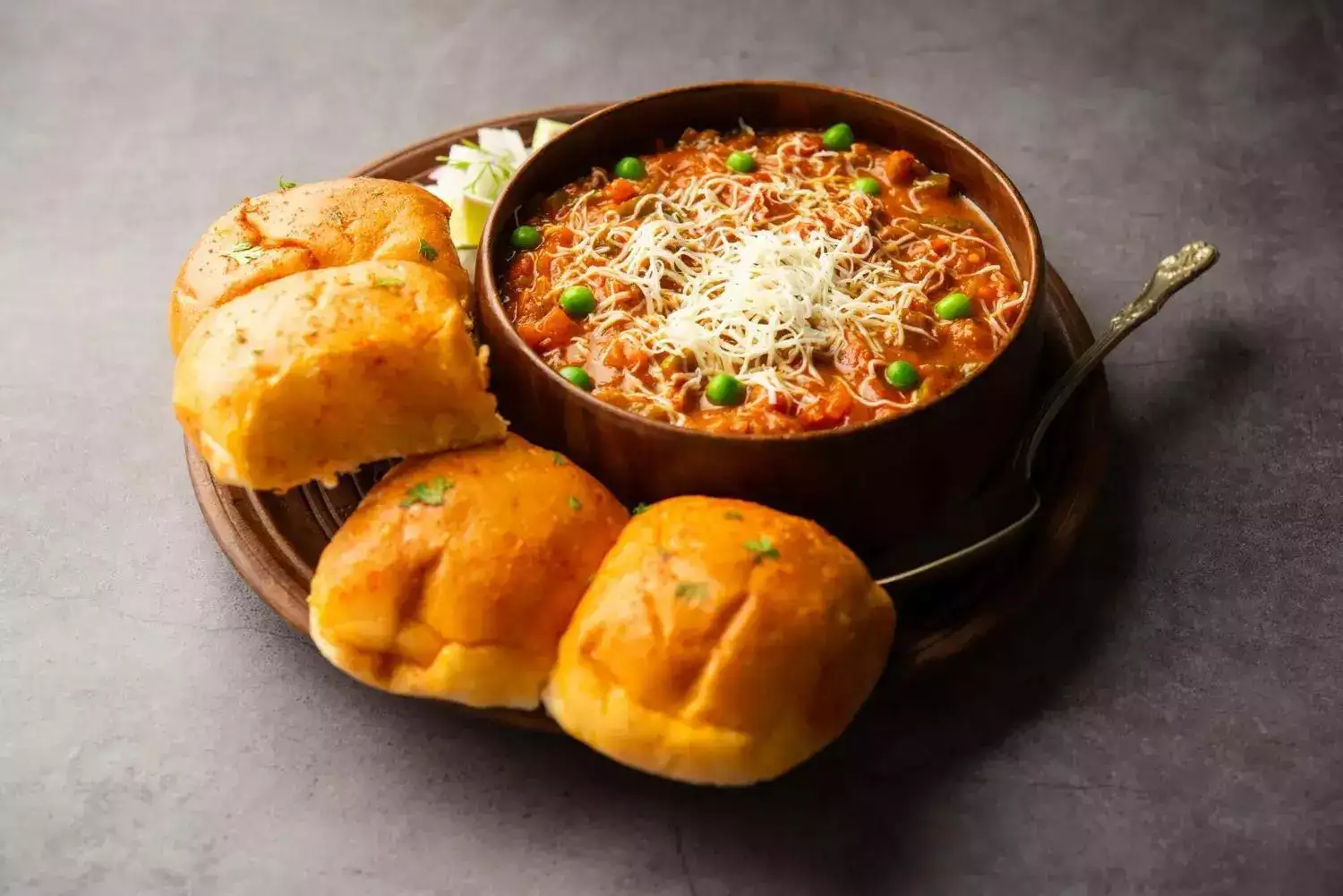
Over time, it evolved from humble worker food into a citywide sensation. Today, it’s a staple in canteens, food courts, and high-end restaurants alike — a true symbol of Mumbai’s diverse and dynamic food culture.
Pav Bhaji masala is the heart of the dish — a mix of spices like coriander, cumin, dry mango, Kashmiri chilli, and black salt. It's this blend that lends the bhaji its rich, tangy, and mildly spicy flavour profile.
The pav — soft bread rolls — is halved and toasted with butter on a griddle until golden. Often, a dollop of butter is placed on the bhaji just before serving, creating a rich, indulgent finish.
Add spices – Mix in Pav Bhaji masala, turmeric, Kashmiri red chilli powder for colour, and a touch of salt.
Mash and cook – Combine the mashed vegetables with the masala and cook together, mashing continuously for a smooth, thick consistency. Add water as needed to adjust the texture.
Toast the pav – Cut pav buns in half and toast them in butter on a tawa until crisp and golden.
Serve the bhaji hot, topped with a pat of butter, fresh coriander, chopped onions, and a wedge of lemon. It’s best enjoyed piping hot, straight off the griddle.
For a spicier kick, vendors often offer "Khada Pav Bhaji" — a less mashed version with chunkier vegetables — or "Tawa Pulao", a rice-based variation cooked in the same spices and butter.
If you’re health-conscious, you can reduce the butter and opt for multigrain pav, though the true essence of street-style Pav Bhaji lies in its indulgence.
Whether eaten as a snack, a light dinner, or part of a casual get-together, Pav Bhaji brings a piece of Mumbai’s street food culture into every serving. Its balance of flavours and the simple joy it delivers make it more than just a dish — it’s an experience.
Authentic Pav Bhaji is the ultimate Indian street food experience — bold, hearty, and brimming with flavour. Rooted in Mumbai’s working-class history and now loved by all, it proves that the best dishes are often the simplest in ingredients but rich in taste and tradition. Next time you crave something spicy and comforting, a plate of Pav Bhaji might be just the thing to bring Mumbai’s streets to your kitchen.
The Origins of Pav Bhaji
Pav Bhaji has its roots in the mid-19th century when Mumbai (then Bombay) was booming as an industrial hub. Mill workers needed a fast yet hearty meal, and vendors responded with a dish made by mashing leftover vegetables and spices on a hot iron griddle. Served with buttered bread rolls (pav), this dish was filling, economical, and quick to prepare.Over time, it evolved from humble worker food into a citywide sensation. Today, it’s a staple in canteens, food courts, and high-end restaurants alike — a true symbol of Mumbai’s diverse and dynamic food culture.
Key Ingredients That Make Pav Bhaji
What makes Pav Bhaji so addictive is its medley of flavours and textures. The main base includes boiled potatoes, cauliflower, green peas, tomatoes, onions, and capsicum. These vegetables are mashed together and slow-cooked with a generous helping of butter and a unique spice blend known as 'Pav Bhaji masala'.Pav Bhaji masala is the heart of the dish — a mix of spices like coriander, cumin, dry mango, Kashmiri chilli, and black salt. It's this blend that lends the bhaji its rich, tangy, and mildly spicy flavour profile.
The pav — soft bread rolls — is halved and toasted with butter on a griddle until golden. Often, a dollop of butter is placed on the bhaji just before serving, creating a rich, indulgent finish.
How to Make Pav Bhaji at Home
Recreating street-style Pav Bhaji at home is simple with the right ingredients and technique. Here’s how to make it truly authentic:- Boil the vegetables – Potatoes, peas, cauliflower, and carrots are commonly used. Cook until soft and mash well.
- Sauté aromatics – Onions, ginger, and garlic are fried in butter until golden, followed by tomatoes and capsicum.
You may also like
- Anand Mahindra shares a stunning view from this hill station that looks like the road leads to the end of a rainbow, “Some destinations are not meant to be reached”
- God, Fate And Nepal Catastrophe
- Bank Strike: Finance Ministry appeals regarding the September 28–30 bank strike; makes this proposal to bank employees..
- NPS Swasthya: Get a health cover of ₹30 lakh along with your pension! Open an account with just ₹1,000..
- The math behind FD interest rates will change from October 1; find out how retail and bulk deposits will be affected..
Variations and Add-Ons
While the classic Pav Bhaji recipe is timeless, many creative variations have emerged. Cheese Pav Bhaji, where grated cheese is melted into the bhaji, is especially popular with younger foodies. Some versions include paneer cubes, mushrooms, or even boiled eggs for added texture and protein.For a spicier kick, vendors often offer "Khada Pav Bhaji" — a less mashed version with chunkier vegetables — or "Tawa Pulao", a rice-based variation cooked in the same spices and butter.
If you’re health-conscious, you can reduce the butter and opt for multigrain pav, though the true essence of street-style Pav Bhaji lies in its indulgence.
What Makes Pav Bhaji So Loved
Pav Bhaji hits all the right notes — it’s spicy, buttery, savoury, and comforting. Its appeal lies not just in taste but in experience: watching it sizzle on a street-side tawa, the aroma wafting through the air, the burst of flavours with every bite. It’s the kind of food that’s both nostalgic and universally satisfying.Whether eaten as a snack, a light dinner, or part of a casual get-together, Pav Bhaji brings a piece of Mumbai’s street food culture into every serving. Its balance of flavours and the simple joy it delivers make it more than just a dish — it’s an experience.
Authentic Pav Bhaji is the ultimate Indian street food experience — bold, hearty, and brimming with flavour. Rooted in Mumbai’s working-class history and now loved by all, it proves that the best dishes are often the simplest in ingredients but rich in taste and tradition. Next time you crave something spicy and comforting, a plate of Pav Bhaji might be just the thing to bring Mumbai’s streets to your kitchen.






Loving Newspoint? Download the app now
