
How To Make Restaurant-style Dal Makhani At Home That’s Creamy, Rich & Full Of Flavour

There’s something about restaurant-style dal makhani that instantly evokes comfort. The velvety texture, slow-cooked richness, and buttery finish make it a much-loved dish across Indian homes and restaurants alike. Though it may seem like a delicacy best left to professional chefs, recreating that restaurant-style experience at home is not only achievable, but surprisingly simple with the right ingredients and a little patience. Whether served with naan, paratha, or a steaming bowl of basmati rice, dal makhani is the kind of dish that turns any meal into something special.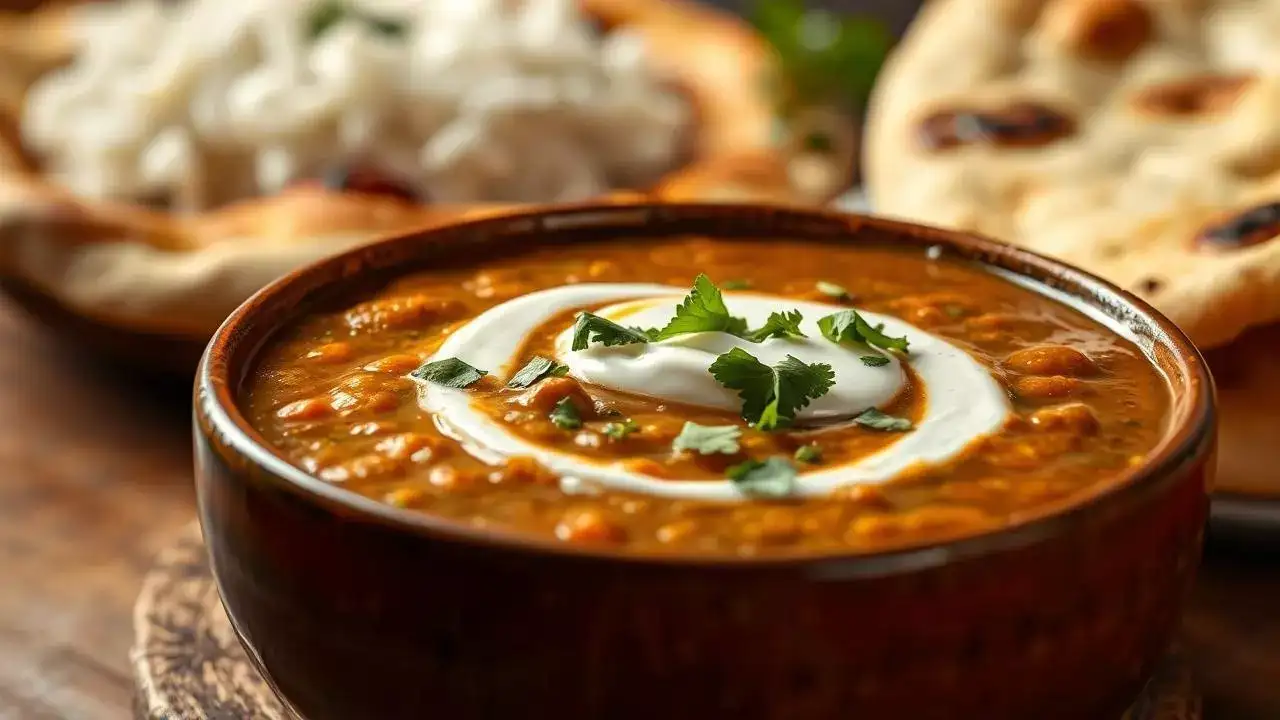
What Makes Dal Makhani So Special
Dal makhani is a North Indian classic made primarily with whole black lentils (urad dal) and a small portion of red kidney beans (rajma). The dish gets its signature richness from butter and cream, while the depth of flavour comes from hours of slow cooking and gentle simmering. Unlike other dals that may be quick to prepare, dal makhani is all about taking your time to coax out the best textures and tastes from each ingredient. The long cooking process not only softens the lentils but also allows the spices and aromatics to meld beautifully.
Ingredients You’ll Need for Authentic Flavour
To make dal makhani that tastes like it came straight from your favourite restaurant kitchen, start with high-quality lentils. Whole black lentils and kidney beans should be soaked overnight for at least 8–10 hours, ensuring they cook evenly and become creamy without being mushy. Key flavour-builders include onions, ginger-garlic paste, tomatoes, green chillies, and a warm blend of spices like cumin, coriander, red chilli powder and garam masala.
Butter and cream are essential to achieve the luscious, indulgent consistency that defines this dish. While some home cooks might try to cut back on these ingredients for a lighter version, it’s the generous use of dairy that makes dal makhani feel so luxurious. For a smoky restaurant-style finish, some recipes also include a touch of charcoal smoke or smoked paprika.
Step-by-Step Cooking for Maximum Creaminess
Begin by pressure-cooking the soaked lentils and kidney beans until soft. In a separate deep pan or kadhai, sauté finely chopped onions in butter until golden, then add ginger-garlic paste and cook until the raw aroma disappears. Add pureed tomatoes and cook until the oil starts to separate, then stir in your dry spices.
Now, gently fold in the cooked dal and rajma into the masala mixture, stirring thoroughly to combine. Add water as needed and let the mixture simmer for at least 45 minutes to an hour. The longer it cooks, the creamier it becomes. Stir often to prevent sticking and add more butter or cream gradually to build that rich texture. Before serving, finish with a generous splash of fresh cream and a knob of butter on top.
Tips to Take Your Dal Makhani to the Next Level
The secret to restaurant-style dal makhani lies in patience. Letting the dal simmer for longer—sometimes even up to two hours on low heat—develops a deep, robust flavour. Stir frequently and keep adjusting the consistency with warm water or milk as needed.
Using kasuri methi (dried fenugreek leaves) towards the end adds a subtle earthy note, while a final sprinkle of garam masala right before turning off the heat enhances the aroma. If you want that authentic smoky restaurant taste, try placing a piece of hot charcoal in a small bowl, add a drop of ghee on top, place the bowl in the middle of the dal and cover it with a lid for a couple of minutes. This trick, known as ‘dhungar’, infuses a tantalising smoky flavour.
Serving Suggestions That Make It a Meal to Remember
Dal makhani is rich and filling on its own, but pairing it with buttery naan or soft tandoori roti elevates the experience. For a more homely touch, serve it with jeera rice or simple steamed basmati. A side of onion salad, lemon wedges and pickles adds freshness and contrast to the creamy lentils. Garnish with fresh coriander and a swirl of cream for that restaurant-style presentation.
Recreating restaurant-style dal makhani at home is all about balancing ingredients, using traditional techniques, and giving it the time it deserves. With its creamy richness, gentle spices and comforting warmth, this beloved dish proves that good things really do come to those who wait. Once you’ve mastered this recipe, you’ll find yourself returning to it again and again for weeknight meals, family dinners or special celebrations.
What Makes Dal Makhani So Special
Dal makhani is a North Indian classic made primarily with whole black lentils (urad dal) and a small portion of red kidney beans (rajma). The dish gets its signature richness from butter and cream, while the depth of flavour comes from hours of slow cooking and gentle simmering. Unlike other dals that may be quick to prepare, dal makhani is all about taking your time to coax out the best textures and tastes from each ingredient. The long cooking process not only softens the lentils but also allows the spices and aromatics to meld beautifully.
Ingredients You’ll Need for Authentic Flavour
To make dal makhani that tastes like it came straight from your favourite restaurant kitchen, start with high-quality lentils. Whole black lentils and kidney beans should be soaked overnight for at least 8–10 hours, ensuring they cook evenly and become creamy without being mushy. Key flavour-builders include onions, ginger-garlic paste, tomatoes, green chillies, and a warm blend of spices like cumin, coriander, red chilli powder and garam masala.
Butter and cream are essential to achieve the luscious, indulgent consistency that defines this dish. While some home cooks might try to cut back on these ingredients for a lighter version, it’s the generous use of dairy that makes dal makhani feel so luxurious. For a smoky restaurant-style finish, some recipes also include a touch of charcoal smoke or smoked paprika.
Step-by-Step Cooking for Maximum Creaminess
Begin by pressure-cooking the soaked lentils and kidney beans until soft. In a separate deep pan or kadhai, sauté finely chopped onions in butter until golden, then add ginger-garlic paste and cook until the raw aroma disappears. Add pureed tomatoes and cook until the oil starts to separate, then stir in your dry spices.
You may also like
- Fatty Liver: 5 Vegetables That Can Support Liver Health in Just 3 Months
- Enjoy Festive Food Without Skipping Fitness: 8 Easy Exercises You Can Do at Home
- Beyond Fever: Why Unnecessary Antibiotics Can Harm Children
- Petrol-Diesel Prices Today: New rates released for September 23; check the prices in your city..
- 7 Ingredients Behind This Viral Hair Growth Drink
Now, gently fold in the cooked dal and rajma into the masala mixture, stirring thoroughly to combine. Add water as needed and let the mixture simmer for at least 45 minutes to an hour. The longer it cooks, the creamier it becomes. Stir often to prevent sticking and add more butter or cream gradually to build that rich texture. Before serving, finish with a generous splash of fresh cream and a knob of butter on top.
Tips to Take Your Dal Makhani to the Next Level
The secret to restaurant-style dal makhani lies in patience. Letting the dal simmer for longer—sometimes even up to two hours on low heat—develops a deep, robust flavour. Stir frequently and keep adjusting the consistency with warm water or milk as needed.
Using kasuri methi (dried fenugreek leaves) towards the end adds a subtle earthy note, while a final sprinkle of garam masala right before turning off the heat enhances the aroma. If you want that authentic smoky restaurant taste, try placing a piece of hot charcoal in a small bowl, add a drop of ghee on top, place the bowl in the middle of the dal and cover it with a lid for a couple of minutes. This trick, known as ‘dhungar’, infuses a tantalising smoky flavour.
Serving Suggestions That Make It a Meal to Remember
Dal makhani is rich and filling on its own, but pairing it with buttery naan or soft tandoori roti elevates the experience. For a more homely touch, serve it with jeera rice or simple steamed basmati. A side of onion salad, lemon wedges and pickles adds freshness and contrast to the creamy lentils. Garnish with fresh coriander and a swirl of cream for that restaurant-style presentation.
Recreating restaurant-style dal makhani at home is all about balancing ingredients, using traditional techniques, and giving it the time it deserves. With its creamy richness, gentle spices and comforting warmth, this beloved dish proves that good things really do come to those who wait. Once you’ve mastered this recipe, you’ll find yourself returning to it again and again for weeknight meals, family dinners or special celebrations.






Loving Newspoint? Download the app now
