
How to Make Soft and Flavourful Vegetable Upma Using Everyday Kitchen Ingredients

Vegetable upma is a practical savoury breakfast made from semolina, vegetables and a few pantry spices. It cooks in one pan, adapts to what is available and can also work as a light lunch. For busy households, it offers a warm meal without an elaborate preparation routine.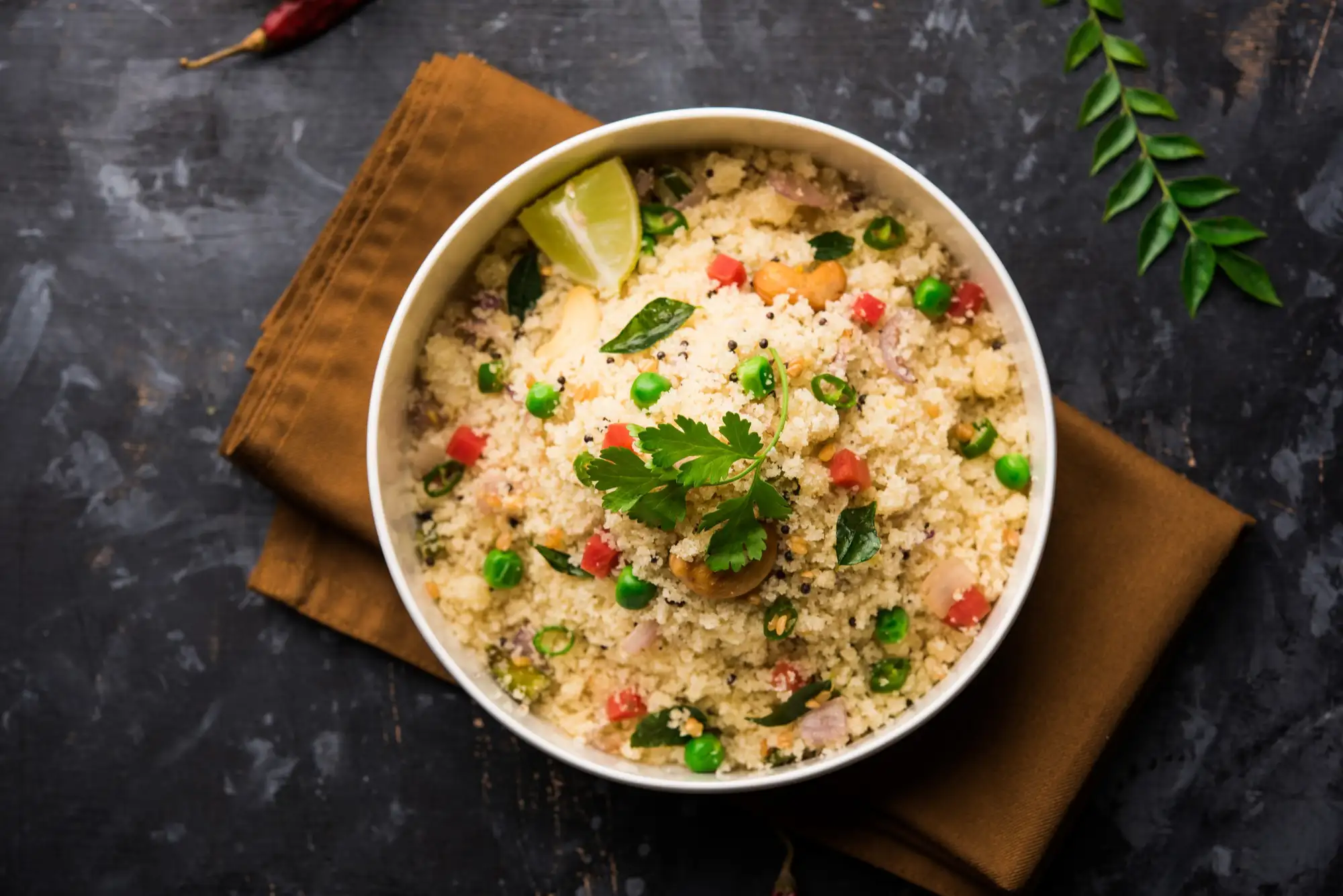
The texture depends on how the semolina is toasted and how much water is added. Carrot, peas, beans or capsicum bring colour, while curry leaves, mustard seeds and ginger add aroma. The method is straightforward, but a few simple steps help prevent a sticky or uneven result. It suits many busy weekday mornings.
Dry-roast the semolina in a pan over a low to medium heat, stirring until it smells lightly nutty. Transfer it to a bowl before preparing the tempering. Heat the oil, add mustard seeds and let them pop, then add curry leaves, ginger and onion. Cook until the onion softens, add the vegetables and stir for several minutes.
Peas and finely diced carrots work well, but vegetables with high water content may change the texture. Add them in modest quantities and cook off excess moisture before adding the water. Roasting the semolina slowly is worth the extra few minutes, as it helps create a lighter result.
Upma is best eaten fresh, when the texture is soft and fluffy. Cool leftovers promptly, refrigerate in a covered container and reheat thoroughly with a little water to loosen the grains. Avoid leaving cooked food at room temperature for long periods. This simple recipe is easy to adapt, so use the vegetables and seasonings your household already enjoys.
The texture depends on how the semolina is toasted and how much water is added. Carrot, peas, beans or capsicum bring colour, while curry leaves, mustard seeds and ginger add aroma. The method is straightforward, but a few simple steps help prevent a sticky or uneven result. It suits many busy weekday mornings.
Ingredients and preparation
For two servings, use about one cup of semolina, a small onion, a handful of mixed vegetables , a teaspoon of oil, mustard seeds, curry leaves, grated ginger and salt to taste. Keep roughly two to three cups of water ready, adjusting according to the semolina and the texture you prefer. Chop the vegetables finely so they cook at a similar rate.Dry-roast the semolina in a pan over a low to medium heat, stirring until it smells lightly nutty. Transfer it to a bowl before preparing the tempering. Heat the oil, add mustard seeds and let them pop, then add curry leaves, ginger and onion. Cook until the onion softens, add the vegetables and stir for several minutes.
Get the texture right
Pour in the water carefully and bring it to a gentle boil. Lower the heat, then add the roasted semolina gradually while stirring continuously to reduce lumps. Keep stirring as the mixture thickens, cover the pan briefly and cook until the grains are tender. If it becomes too thick, add a small splash of hot water; if it looks wet, cook uncovered for another minute or two.Peas and finely diced carrots work well, but vegetables with high water content may change the texture. Add them in modest quantities and cook off excess moisture before adding the water. Roasting the semolina slowly is worth the extra few minutes, as it helps create a lighter result.
Serving and storing leftovers
Finish with chopped coriander and a squeeze of lemon if you like. Serve vegetable upma with plain yoghurt, coconut chutney or a small portion of fruit. For a more filling meal, add roasted peanuts if there are no allergy concerns, or serve it with a protein-rich side that suits your diet.Upma is best eaten fresh, when the texture is soft and fluffy. Cool leftovers promptly, refrigerate in a covered container and reheat thoroughly with a little water to loosen the grains. Avoid leaving cooked food at room temperature for long periods. This simple recipe is easy to adapt, so use the vegetables and seasonings your household already enjoys.
Next Story