
How to Make the Best Soil for Potted Plants

Healthy soil is the foundation of thriving potted plants. Unlike garden soil, which can be heavy and poorly draining, potting soil needs the right mix of nutrients, aeration, and moisture retention to keep plants growing strong. Here’s a simple guide to making the best soil for your potted plants.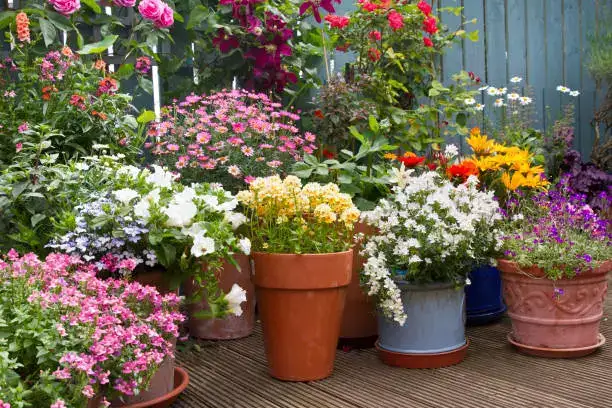
1. Sterilize Garden Soil: If using garden soil, bake at 180°C for 30 minutes or sun-dry to kill pests and pathogens.
2. Mix Ingredients: Combine 2 parts base material (soil or cocopeat), 1 part compost, and 1 part sand or perlite. Adjust ratios for plant type:
3. Check Moisture: The mix should feel slightly damp, not wet, making it easier to pot plants.
4. Fluff and Aerate: Break clumps and mix thoroughly to ensure good airflow for roots.
Making your own potting soil is simple and gives your plants the ideal environment to grow strong and healthy. By combining the right base, nutrients, and drainage, you can ensure your potted plants thrive, whether they’re flowers, vegetables, or succulents. Healthy soil equals happy plants!
Why Potting Soil Matters
Garden soil alone can compact in pots, retain too much water, and even carry pests or diseases. The right potting mix provides:- Good drainage to prevent root rot
- Aeration for healthy root growth
- Nutrients for strong, vibrant plants
- Moisture retention without sogginess
- Essential Ingredients for Potting Soil
To make a balanced potting mix, you’ll need:
- Base Material: Garden soil, cocopeat, or a mix of both for structure and water retention.
- Organic Matter: Compost or well-rotted manure adds nutrients and enhances fertility.
- Drainage Materials: Sand, perlite, or vermiculite ensures water doesn’t pool around roots.
- Optional Boosters: Vermicompost or slow-release fertilizers can enhance growth.
Step-by-Step Method to Make Potting Soil
1. Sterilize Garden Soil: If using garden soil, bake at 180°C for 30 minutes or sun-dry to kill pests and pathogens.
2. Mix Ingredients: Combine 2 parts base material (soil or cocopeat), 1 part compost, and 1 part sand or perlite. Adjust ratios for plant type:
- Succulents: More sand/perlite
- Leafy plants: More compost
- Flowering plants: Balanced mix
You may also like
- Personal Loan in Hours or Days? 4 Hidden Factors That Decide When Your Money Arrives
- Today's Birthday: 26th February 2026
- Gucci sparks backlash after using AI models for Milan Fashion Week campaign
- कब्ज़ से राहत पाने के लिए प्रभावी उपाय और सुझाव
- Why Does Kashi Celebrate Holi With Funeral Ash? Masane Ki Holi 2026 Explained
3. Check Moisture: The mix should feel slightly damp, not wet, making it easier to pot plants.
4. Fluff and Aerate: Break clumps and mix thoroughly to ensure good airflow for roots.
Tips for Specific Plants
- Cacti and Succulents: Use a sandy, well-draining mix.
- Herbs and Vegetables: Increase compost for extra nutrients.
- Flowering Plants: Balanced soil with moderate compost supports blooms.
Maintaining Your Potting Soil
Even the best soil loses nutrients over time. Refresh or top up with compost at least once a year. Repotting every 1–2 years helps prevent soil compaction and keeps roots healthy.Making your own potting soil is simple and gives your plants the ideal environment to grow strong and healthy. By combining the right base, nutrients, and drainage, you can ensure your potted plants thrive, whether they’re flowers, vegetables, or succulents. Healthy soil equals happy plants!






More from our partners


Loving Newspoint? Download the app now
