
Five Simple Ways to Make Homemade Soup Thick Without Adding Cream

A thick, comforting soup does not always need cream, butter or other dairy ingredients. Everyday foods such as potatoes, lentils, beans and vegetables can give homemade soup a naturally rich texture while adding flavour and substance. Whether you prefer tomato soup, mixed vegetable soup or a hearty lentil bowl, a few simple cooking techniques can help you achieve the consistency you want. Blending cooked ingredients, reducing excess liquid and choosing the right vegetables are practical ways to thicken soup without complicated ingredients. These methods are also useful when you want a lighter, dairy-free meal made from ingredients already available in your kitchen.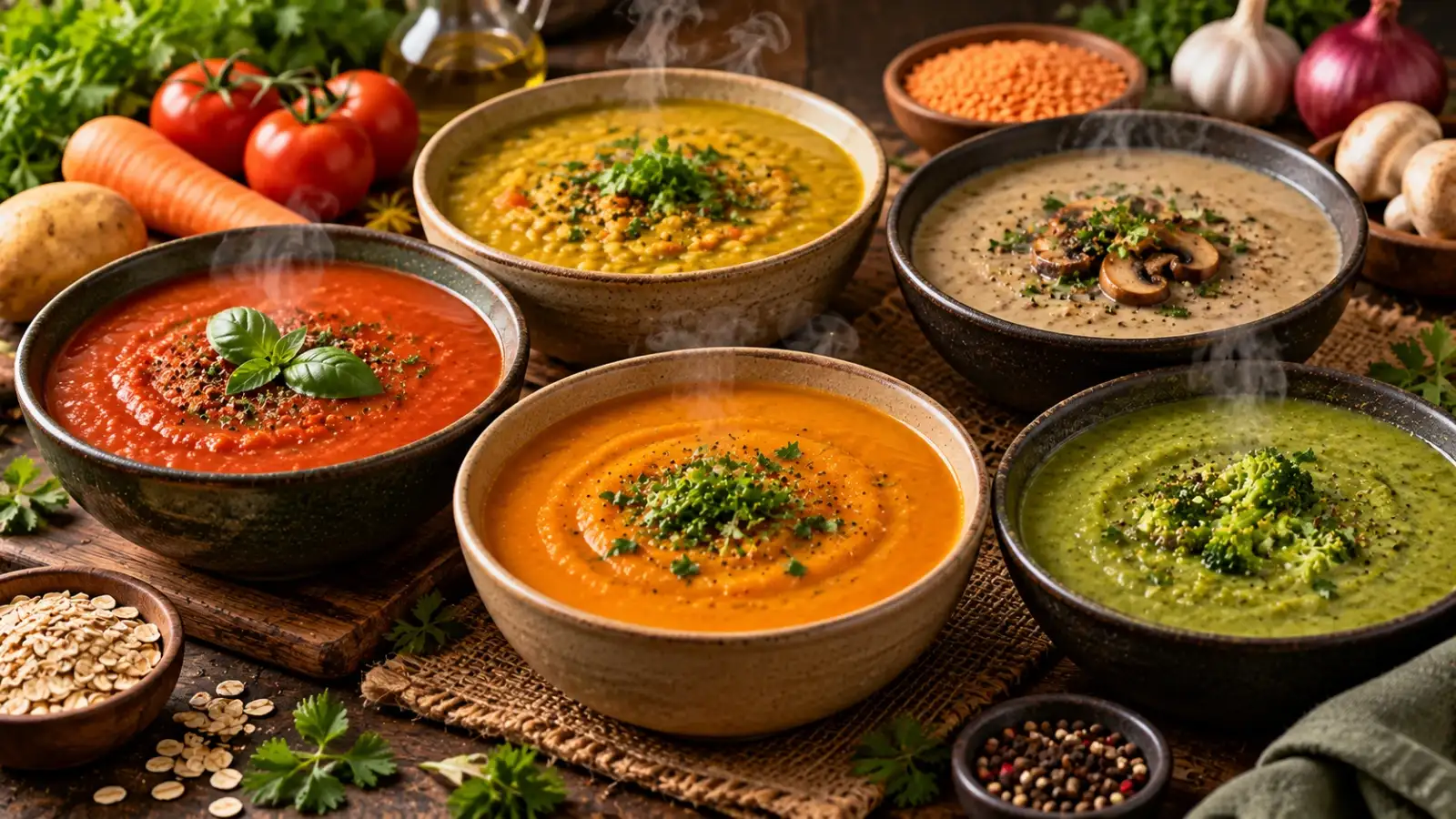
Peel and chop a small potato, then simmer it with vegetables such as carrots, onions, cauliflower or tomatoes. Once everything is tender, blend the mixture until smooth.
You can also add cooked potato to an existing soup and blend only part of the mixture. This works particularly well for vegetable soup because the potato thickens the liquid without overpowering the other flavours.
For a dairy-free result, use vegetable stock or water as the base and season with herbs, black pepper and salt.
Rinse the lentils and simmer them with onions, carrots, tomatoes, garlic and vegetable stock until tender. Blend the soup for a smooth finish or leave some lentils whole for added texture.
Yellow moong dal can also work well in Indian-inspired soups, especially when combined with ginger, cumin and turmeric.
Besides thickening the soup, lentils contribute plant-based protein and fibre, making the dish more satisfying without relying on cream.
For example, cook carrots, pumpkin, cauliflower or sweet potatoes until soft. Remove a portion of the vegetables, blend them with a little cooking liquid and stir the mixture back into the pot.
For a soup with beans, peas or sweetcorn, blend only part of the contents if you want to retain some texture. This approach gives you more control over the final result than blending everything at once.
Allow hot ingredients to cool slightly before transferring them to a blender, and follow the appliance manufacturer's instructions for blending hot liquids safely.
Remove the lid and allow the soup to simmer gently, stirring occasionally so that the ingredients do not stick to the bottom. As water evaporates, the flavours become more concentrated and the consistency gradually thickens.
This method works particularly well for tomato soup, mushroom soup and vegetable-based soups that already contain enough solids.
Avoid boiling the soup too aggressively, as this can cause splashing and may overcook delicate ingredients. Taste it before adding extra salt because reducing the liquid also concentrates the seasoning.
White beans are especially suitable for mild vegetable soups, while chickpeas pair well with tomatoes, cumin, paprika and coriander.
Oats are another practical option. Add a small quantity of rolled oats to simmering soup and cook until soft. Blend the mixture if you prefer a smoother consistency. Start with a little, as oats absorb liquid and can make the soup thicker than expected.
These ingredients are useful alternatives when you want to make a more filling soup using pantry staples.
If you prefer a completely smooth soup, blend it thoroughly and add stock gradually until it reaches the desired consistency. If you enjoy a rustic texture, mash some ingredients with a spoon or potato masher instead.
Remember that soup often thickens further as it cools. Leave a little room for adjustment and add hot water or stock if it becomes too dense.
Making thick soup without cream is simple when you use ingredients that naturally provide body and texture. Potatoes, lentils, beans, oats and blended vegetables are practical options, while gentle simmering can reduce excess liquid and deepen flavour. The best method depends on the ingredients you have and whether you prefer a smooth or chunky finish. With a few small adjustments, you can prepare a rich, comforting vegetarian soup without relying on cream or complicated cooking techniques.
1. Use Potatoes for a Naturally Thick Texture
Potatoes are one of the easiest ingredients to use when making thick soup. Their starch helps create a smooth, substantial consistency once cooked and blended.Peel and chop a small potato, then simmer it with vegetables such as carrots, onions, cauliflower or tomatoes. Once everything is tender, blend the mixture until smooth.
You can also add cooked potato to an existing soup and blend only part of the mixture. This works particularly well for vegetable soup because the potato thickens the liquid without overpowering the other flavours.
For a dairy-free result, use vegetable stock or water as the base and season with herbs, black pepper and salt.
2. Add Lentils for Extra Body and Protein
Lentils can turn a thin vegetable soup into a filling meal. Red lentils are particularly useful because they soften quickly and break down easily during cooking.Rinse the lentils and simmer them with onions, carrots, tomatoes, garlic and vegetable stock until tender. Blend the soup for a smooth finish or leave some lentils whole for added texture.
Yellow moong dal can also work well in Indian-inspired soups, especially when combined with ginger, cumin and turmeric.
Besides thickening the soup, lentils contribute plant-based protein and fibre, making the dish more satisfying without relying on cream.
3. Blend Some of the Cooked Vegetables
You do not need a separate thickening ingredient if your soup already contains plenty of vegetables. Blending some of the cooked ingredients can create a thicker consistency while preserving their natural flavour.For example, cook carrots, pumpkin, cauliflower or sweet potatoes until soft. Remove a portion of the vegetables, blend them with a little cooking liquid and stir the mixture back into the pot.
For a soup with beans, peas or sweetcorn, blend only part of the contents if you want to retain some texture. This approach gives you more control over the final result than blending everything at once.
Allow hot ingredients to cool slightly before transferring them to a blender, and follow the appliance manufacturer's instructions for blending hot liquids safely.
4. Let the Soup Simmer to Reduce Excess Liquid
Sometimes, soup is thin simply because it contains too much water or stock. In this case, reducing the liquid may be all you need to do.Remove the lid and allow the soup to simmer gently, stirring occasionally so that the ingredients do not stick to the bottom. As water evaporates, the flavours become more concentrated and the consistency gradually thickens.
This method works particularly well for tomato soup, mushroom soup and vegetable-based soups that already contain enough solids.
Avoid boiling the soup too aggressively, as this can cause splashing and may overcook delicate ingredients. Taste it before adding extra salt because reducing the liquid also concentrates the seasoning.
5. Use Beans, Chickpeas or Oats
Beans and chickpeas can give soup a creamy texture without dairy. Add cooked beans or chickpeas to vegetable stock with your preferred seasonings, then blend some or all of the mixture.White beans are especially suitable for mild vegetable soups, while chickpeas pair well with tomatoes, cumin, paprika and coriander.
You may also like
- Child Bedwetting: 5 Common Causes and Simple Ways Parents Can Help Their Kids Stay Dry at Night
- Understanding the Significance of Solah Shringar in Hindu Culture
- Celebrity children who discovered their parents were famous only after classmates recognised them or mentioned a television show; why some celebs keep their actual identity guarded from children and the parenting takeaway
- Discover the Ancient Yogic Practice of Trataka for Mental Clarity
- 'I have a house and a car, but no one to talk to': Indian chef's Diwali in the US reveals the lonely side of life abroad; 'Sannata chhaya hua hai yahan'
Oats are another practical option. Add a small quantity of rolled oats to simmering soup and cook until soft. Blend the mixture if you prefer a smoother consistency. Start with a little, as oats absorb liquid and can make the soup thicker than expected.
These ingredients are useful alternatives when you want to make a more filling soup using pantry staples.
6. Choose the Right Thickening Method for Your Soup
Different soups benefit from different techniques. Potato and cauliflower work well in smooth vegetable soups, while lentils are suitable for hearty, protein-rich varieties. Blending is useful when you want a velvety texture, whereas simmering helps concentrate flavours without introducing additional ingredients.If you prefer a completely smooth soup, blend it thoroughly and add stock gradually until it reaches the desired consistency. If you enjoy a rustic texture, mash some ingredients with a spoon or potato masher instead.
Remember that soup often thickens further as it cools. Leave a little room for adjustment and add hot water or stock if it becomes too dense.
Making thick soup without cream is simple when you use ingredients that naturally provide body and texture. Potatoes, lentils, beans, oats and blended vegetables are practical options, while gentle simmering can reduce excess liquid and deepen flavour. The best method depends on the ingredients you have and whether you prefer a smooth or chunky finish. With a few small adjustments, you can prepare a rich, comforting vegetarian soup without relying on cream or complicated cooking techniques.






Loving Newspoint? Download the app now
