How To Manage Blood Sugar With Everyday Indian Home-Cooked Food

Managing blood sugar can feel challenging when everyday Indian meals include rice, rotis, potatoes, sweets and other carbohydrate-rich foods. However, a blood sugar-friendly diet does not have to mean completely avoiding familiar home cooking. The focus is usually on the type and quantity of carbohydrates, along with fibre, protein and overall meal balance. According to nutrition experts, making small, consistent changes to regular meals can be more practical than following a highly restrictive diet. Individual requirements can vary, particularly for people taking diabetes medication, so dietary changes should be discussed with a healthcare professional when necessary.
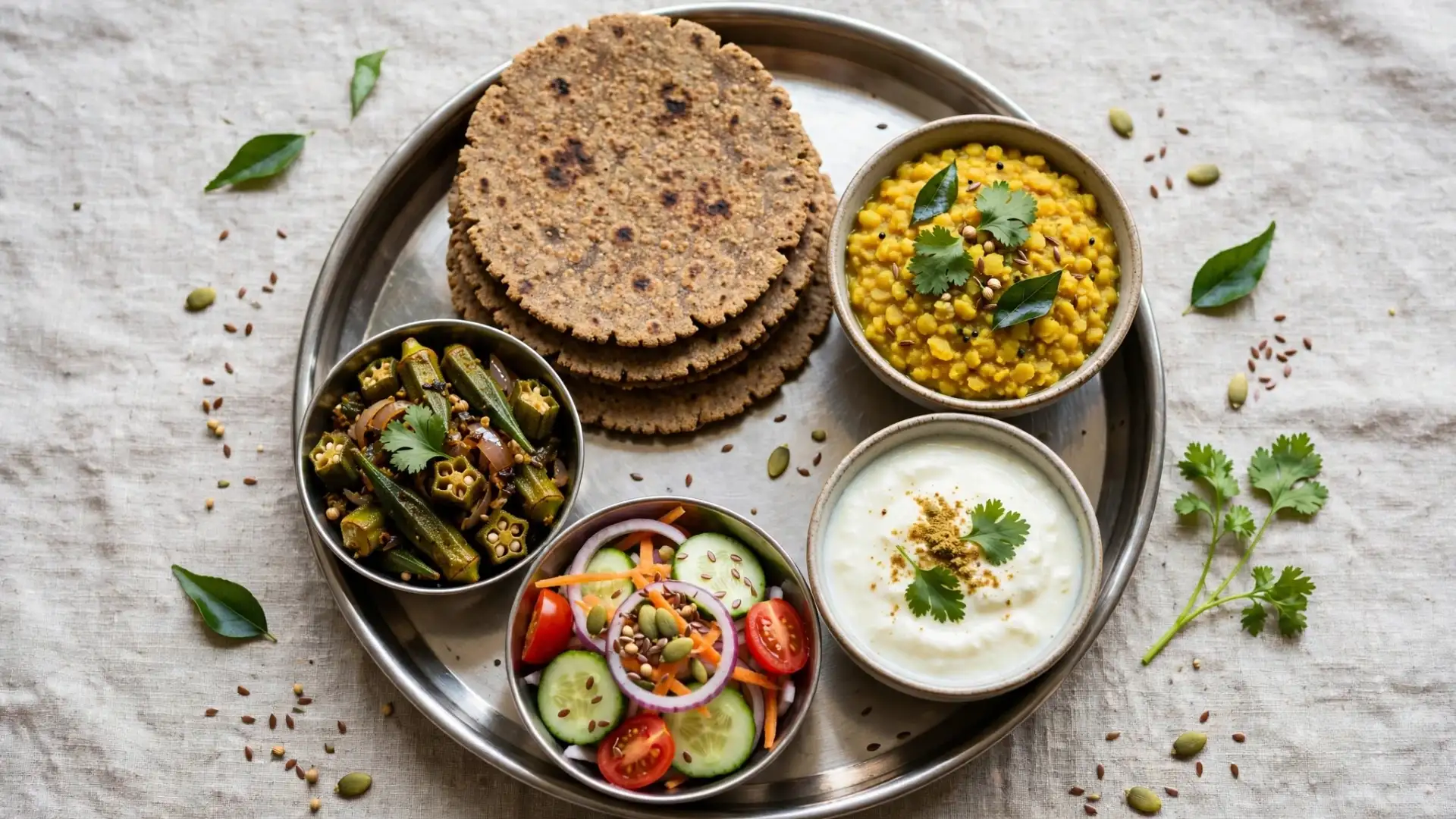
Hero Image


Build A More Balanced Plate

A simple way to improve Indian meals is to give vegetables a larger share of the plate. Non-starchy vegetables such as spinach, cauliflower, cabbage, beans, gourds, cucumber and tomatoes can add fibre and volume without contributing large amounts of carbohydrate.

Pair these with a source of protein, such as dal, chana, rajma, eggs, fish, chicken, paneer or unsweetened curd, depending on dietary preferences.


Rather than eliminating rice or roti completely, pay attention to portions. This approach can make an Indian diet for diabetes easier to maintain over the long term.

Choose Carbohydrates More Carefully

Rice and wheat-based foods can still feature in a balanced diet, but the quantity and preparation matter. Whole grains and less-refined options generally provide more fibre than highly refined grains.


For example, a meal of a modest portion of rice with dal, vegetables and a protein source can be more balanced than a large serving of rice eaten on its own.

According to dietitians, foods such as oats, barley, millets and whole-wheat preparations can also be useful options when they fit an individual's dietary needs.

Be Careful With Hidden Sugar

Added sugar is not limited to sweets. Sweetened tea and coffee, packaged drinks, flavoured yoghurt, biscuits and desserts can contribute significant amounts over the course of a day.

Reducing added sugar in beverages is often a straightforward starting point. Whole fruit is generally a better choice than fruit juice because it retains fibre and requires more chewing.


Dates, raisins and other dried fruits can also contain concentrated amounts of natural sugar, so portion control remains important.

Cooking Habits Matter Too

How food is prepared can influence the overall quality of a meal. Using reasonable amounts of oil and limiting frequent deep-frying can make everyday cooking lighter.

Grilled, steamed, roasted and lightly sautéed preparations can provide variety alongside traditional curries and dals.

Make Small Changes That Last

There is no single Indian diet that works for everyone. Blood sugar responses can differ between individuals, even after eating the same food. Monitoring glucose as advised by a healthcare professional can help identify how particular meals affect you.

Industry experts generally favour sustainable eating patterns over extreme restrictions. Keeping portions sensible, increasing vegetables and fibre, including adequate protein and limiting added sugar can make familiar Indian home food more compatible with blood sugar management.


Image Courtesy: Meta AI