
10 Smart Ways to Create a Beautiful Home Library Without Extra Space

Creating a personal library does not require a separate room, floor-to-ceiling bookcases or an expensive interior makeover. Even in a compact flat or a small house, a thoughtfully arranged collection can make a reading corner feel inviting without making the room look crowded. The key is to use available space intelligently, choose a practical organising system and keep frequently used books within easy reach.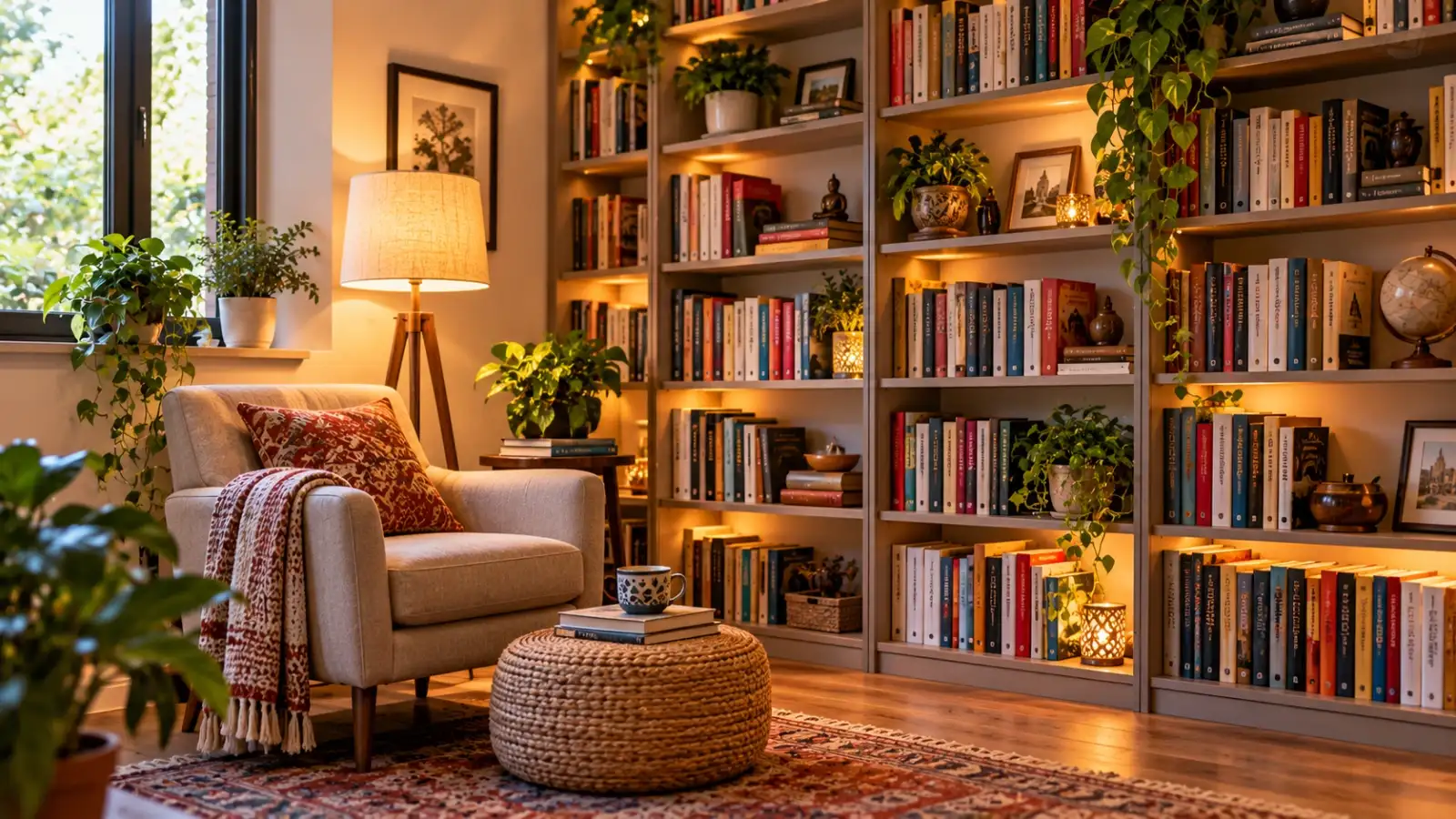
Whether you own a few dozen novels or a growing collection of non-fiction titles, the right approach can help you make the most of every shelf. With a little planning, you can build a home library that is attractive, functional and easy to maintain.
Separate books into broad groups, such as fiction, non-fiction, biographies, cookbooks, reference material and current reads. Then identify duplicate copies, books you no longer want and titles that belong to someone else.
You do not need to discard every book you have not read. Keep titles you genuinely intend to explore, books with sentimental value and those you regularly consult. Consider donating books that no longer serve a purpose, provided they are in suitable condition.
This first step helps prevent you from arranging unnecessary clutter in a new storage system.
A narrow shelving unit against an unused wall may work well in a bedroom, living room or study corner. If the ceiling height allows, taller shelves can provide additional storage while keeping the floor clear.
However, safety should come first. Heavy book collections need properly secured shelving, and wall-mounted units must be fixed using suitable fittings for the wall type. Keep heavier books on lower shelves to reduce the risk of tipping and make them easier to lift.
Avoid placing bookshelves where they block doors, windows, ventilation or essential walking routes.
For a small collection, a simple system usually works best. You could group books by genre, arrange fiction alphabetically by author, or organise non-fiction by subject.
For example, novels can occupy one shelf, travel books another, and books on gardening, cooking or personal development can share a clearly defined section.
If your collection includes books in different languages, you may find it useful to separate them by language before sorting them by genre or author.
The important rule is consistency. Once you decide where a category belongs, return new books to the same section rather than placing them wherever space happens to be available.
Look for an underused corner beside a window, an empty section of the living room or a quiet area near your bedroom. A floor cushion or a simple chair may be enough if space is particularly tight.
Choose lighting that makes reading comfortable without producing excessive glare. A suitable floor lamp or adjustable reading light can be useful when natural light is limited.
Keep the arrangement uncluttered. A reading nook should have enough space to sit comfortably, move around and put a book down without disturbing the rest of the room.
This works particularly well for books that you do not need every day, such as old reference volumes, occasional reading material or collections you want to keep but rarely display.
However, hidden storage should not become a place where books are forgotten. Use labelled boxes or separate compartments to keep categories together, and avoid stacking heavy books in a way that damages their covers.
Always choose a dry, well-ventilated storage location. Books should not be kept in damp cupboards or places vulnerable to leaks.
Reference books, work-related material and frequently used guides should also be easy to retrieve. Less frequently consulted titles can go on higher shelves, while heavier books are generally better placed lower down.
You can also create a small section for books you are currently reading. A bedside shelf, compact book trolley or dedicated space on a side table can prevent unfinished books from spreading across the home.
This arrangement makes the library easier to use and reduces the temptation to leave books lying around after reading.
Keep most books upright and supported by neighbouring books or sturdy bookends. Avoid allowing them to lean at sharp angles for long periods, as this can strain their bindings.
Oversized books that cannot stand comfortably may be stored horizontally in small, stable stacks, provided the weight does not damage the volumes underneath.
You can also leave a little space between sections to make browsing easier. A shelf packed tightly from end to end may technically hold more books, but it can make removing and replacing them difficult.
Direct sunlight can fade covers and discolour paper, while excess moisture encourages mould and can weaken bindings. Dust can accumulate on shelves and contribute to deterioration, especially when combined with humid conditions.
In homes exposed to seasonal humidity, choose a dry area away from leaking windows, damp walls and kitchen or bathroom moisture. Closed cabinets can help limit dust, but they should not trap dampness inside.
Dust shelves regularly and inspect stored books occasionally for signs of mould, insects or water damage. Avoid wrapping books in plastic for long-term storage if moisture could become trapped inside.
For rare or fragile books, consider additional protective enclosures and specialist preservation advice.
Record the title, author, category and shelf location. You could also note whether a book has been lent to someone, whether it is part of a series or whether you own another edition.
There is no need to create a complicated database for a modest collection. A basic list is often sufficient, especially if you update it whenever you buy, donate or move a book.
For shared households, a catalogue can also reduce duplicate purchases and make it easier for everyone to return books to the right place.
Return books to their designated shelves after reading, keep borrowed books separate from your own collection and review crowded sections every few months.
If your shelves are already full, decide where a new book will go before bringing it home. You may need to rearrange a category, donate a few titles or use an existing storage area more efficiently.
Avoid buying additional furniture until you have reviewed the space you already have. Often, a small amount of rearranging can solve the problem without creating more clutter.
Organising a personal library in a small home is mainly about making thoughtful choices. You do not need a dedicated room or elaborate furniture to create a useful collection. Vertical shelving, multifunctional furniture, sensible book categories and a comfortable reading corner can make even a limited space work well.
The best home library is not necessarily the one that looks perfect in photographs. It is the one where books are protected, easy to find and enjoyable to use. Start with the collection you have, make use of available space and build a system that suits your everyday reading habits.
Whether you own a few dozen novels or a growing collection of non-fiction titles, the right approach can help you make the most of every shelf. With a little planning, you can build a home library that is attractive, functional and easy to maintain.
1. Start by Sorting the Books You Own
Before buying shelves or storage boxes, gather the books scattered across your home. Include those on bedside tables, work desks, living room shelves and in cupboards. Seeing the entire collection together makes it easier to understand how much storage you actually need.Separate books into broad groups, such as fiction, non-fiction, biographies, cookbooks, reference material and current reads. Then identify duplicate copies, books you no longer want and titles that belong to someone else.
You do not need to discard every book you have not read. Keep titles you genuinely intend to explore, books with sentimental value and those you regularly consult. Consider donating books that no longer serve a purpose, provided they are in suitable condition.
This first step helps prevent you from arranging unnecessary clutter in a new storage system.
2. Make Use of Vertical Wall Space
When floor space is limited, look upwards. Wall-mounted shelves and tall bookcases can accommodate a surprising number of books without taking up much room.A narrow shelving unit against an unused wall may work well in a bedroom, living room or study corner. If the ceiling height allows, taller shelves can provide additional storage while keeping the floor clear.
However, safety should come first. Heavy book collections need properly secured shelving, and wall-mounted units must be fixed using suitable fittings for the wall type. Keep heavier books on lower shelves to reduce the risk of tipping and make them easier to lift.
Avoid placing bookshelves where they block doors, windows, ventilation or essential walking routes.
3. Choose a Simple System for Arranging Books
An organised library should help you find a book quickly. There is no single correct method, so choose one that matches the way you remember and search for titles.For a small collection, a simple system usually works best. You could group books by genre, arrange fiction alphabetically by author, or organise non-fiction by subject.
For example, novels can occupy one shelf, travel books another, and books on gardening, cooking or personal development can share a clearly defined section.
If your collection includes books in different languages, you may find it useful to separate them by language before sorting them by genre or author.
The important rule is consistency. Once you decide where a category belongs, return new books to the same section rather than placing them wherever space happens to be available.
4. Turn an Unused Corner into a Reading Nook
A personal library can be more than a place to store books. A quiet corner with a compact chair, a small side table and a nearby shelf can become a comfortable reading spot.Look for an underused corner beside a window, an empty section of the living room or a quiet area near your bedroom. A floor cushion or a simple chair may be enough if space is particularly tight.
Choose lighting that makes reading comfortable without producing excessive glare. A suitable floor lamp or adjustable reading light can be useful when natural light is limited.
Keep the arrangement uncluttered. A reading nook should have enough space to sit comfortably, move around and put a book down without disturbing the rest of the room.
5. Use Furniture That Offers Hidden Storage
In a small home, furniture can serve more than one purpose. A storage ottoman, a bed with drawers or a suitable cabinet can provide additional room for books without requiring another piece of furniture.This works particularly well for books that you do not need every day, such as old reference volumes, occasional reading material or collections you want to keep but rarely display.
However, hidden storage should not become a place where books are forgotten. Use labelled boxes or separate compartments to keep categories together, and avoid stacking heavy books in a way that damages their covers.
Always choose a dry, well-ventilated storage location. Books should not be kept in damp cupboards or places vulnerable to leaks.
6. Keep Your Most-Used Books Within Reach
Not every book needs to occupy the same level of accessibility. Place the titles you read regularly on shelves at eye level or within easy reach of your favourite chair.Reference books, work-related material and frequently used guides should also be easy to retrieve. Less frequently consulted titles can go on higher shelves, while heavier books are generally better placed lower down.
You can also create a small section for books you are currently reading. A bedside shelf, compact book trolley or dedicated space on a side table can prevent unfinished books from spreading across the home.
This arrangement makes the library easier to use and reduces the temptation to leave books lying around after reading.
7. Arrange Books by Size to Make Shelves Look Neater
Books of similar height can be grouped together to create a cleaner appearance and use shelf space efficiently. Large hardbacks, small paperbacks and oversized illustrated books often fit better when arranged in separate groups.Keep most books upright and supported by neighbouring books or sturdy bookends. Avoid allowing them to lean at sharp angles for long periods, as this can strain their bindings.
Oversized books that cannot stand comfortably may be stored horizontally in small, stable stacks, provided the weight does not damage the volumes underneath.
You can also leave a little space between sections to make browsing easier. A shelf packed tightly from end to end may technically hold more books, but it can make removing and replacing them difficult.
8. Protect Books From Dust, Sunlight and Moisture
Organisation is only part of maintaining a personal library. Books also need suitable storage conditions to prevent avoidable damage.Direct sunlight can fade covers and discolour paper, while excess moisture encourages mould and can weaken bindings. Dust can accumulate on shelves and contribute to deterioration, especially when combined with humid conditions.
In homes exposed to seasonal humidity, choose a dry area away from leaking windows, damp walls and kitchen or bathroom moisture. Closed cabinets can help limit dust, but they should not trap dampness inside.
Dust shelves regularly and inspect stored books occasionally for signs of mould, insects or water damage. Avoid wrapping books in plastic for long-term storage if moisture could become trapped inside.
For rare or fragile books, consider additional protective enclosures and specialist preservation advice.
9. Use a Small Digital Catalogue for a Growing Collection
When a personal library becomes larger, remembering the location of every title can be difficult. A simple spreadsheet or notes application can help you keep track of what you own.Record the title, author, category and shelf location. You could also note whether a book has been lent to someone, whether it is part of a series or whether you own another edition.
There is no need to create a complicated database for a modest collection. A basic list is often sufficient, especially if you update it whenever you buy, donate or move a book.
You may also like
- EPFO New Update: Deadline for filing PF returns extended; complete the task by October 31..
- In UP, the elderly will now receive their old-age pension within just 45 days; learn the online application process..
- Children with another woman; divorce sought from wife; Court imposes a fine of ₹2 lakh.
- Health insurance claims will not be rejected due to BP, diabetes, or headaches! Find out what to keep in mind when purchasing a policy..
- Osteoporosis in Children: Can Kids Develop This Bone Disease Too? Experts Reveal the Warning Signs Parents Should Never Ignore
For shared households, a catalogue can also reduce duplicate purchases and make it easier for everyone to return books to the right place.
10. Create a Routine to Keep the Library Organised
Even a carefully arranged library can become cluttered if there is no system for handling new books. A simple maintenance routine helps prevent the problem from returning.Return books to their designated shelves after reading, keep borrowed books separate from your own collection and review crowded sections every few months.
If your shelves are already full, decide where a new book will go before bringing it home. You may need to rearrange a category, donate a few titles or use an existing storage area more efficiently.
Avoid buying additional furniture until you have reviewed the space you already have. Often, a small amount of rearranging can solve the problem without creating more clutter.
Organising a personal library in a small home is mainly about making thoughtful choices. You do not need a dedicated room or elaborate furniture to create a useful collection. Vertical shelving, multifunctional furniture, sensible book categories and a comfortable reading corner can make even a limited space work well.
The best home library is not necessarily the one that looks perfect in photographs. It is the one where books are protected, easy to find and enjoyable to use. Start with the collection you have, make use of available space and build a system that suits your everyday reading habits.






Loving Newspoint? Download the app now
