
How to Organise Important Household Documents Before You Need Them

Important household papers are easy to misplace because they often arrive and are needed at different times. Birth certificates, insurance details, property documents, warranties and tax records may sit in drawers, email accounts or shopping bags until they are difficult to find. A simple system saves time and reduces stress when a form, claim or repair needs attention.
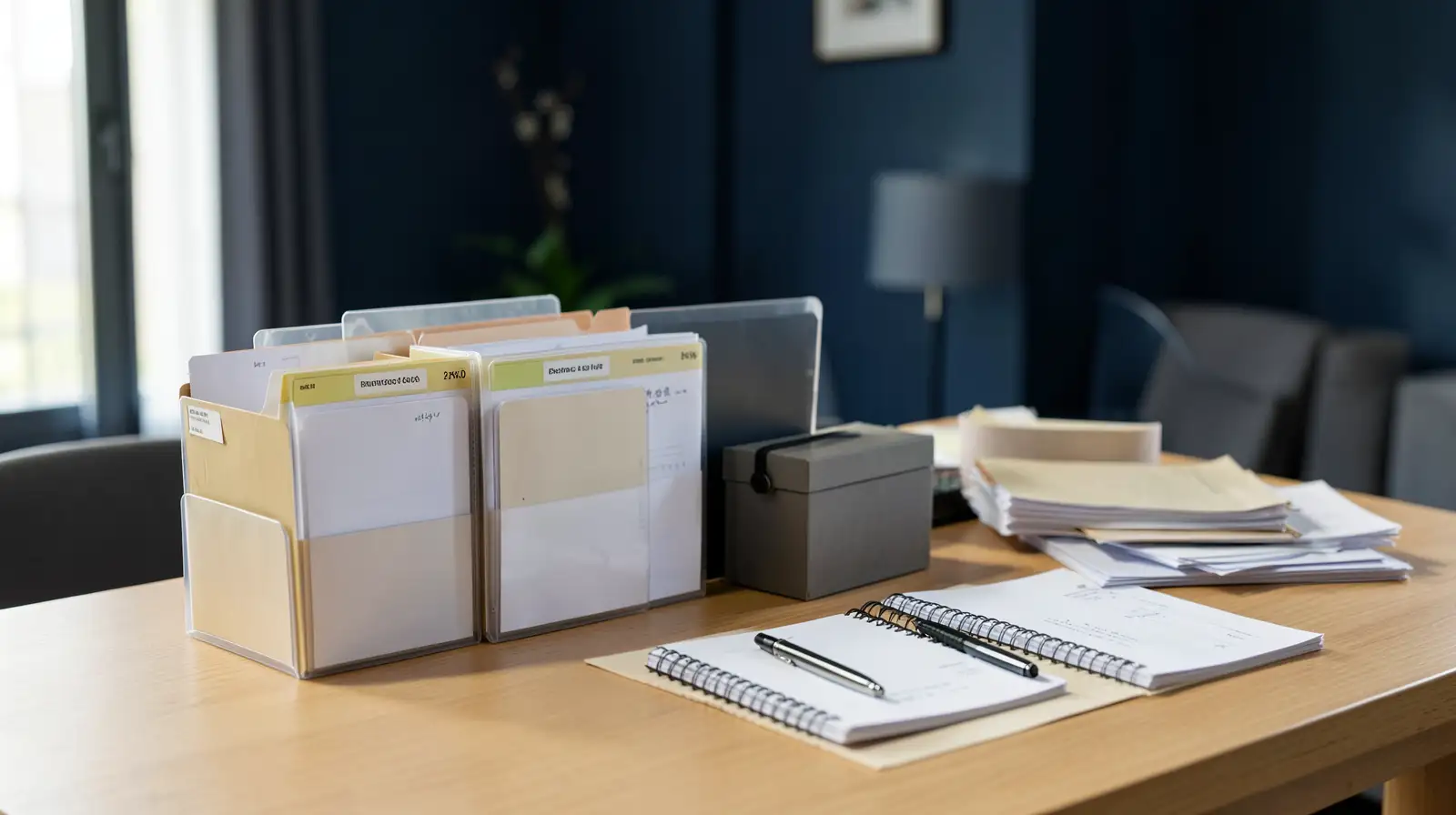
The aim is not to keep every scrap of paper forever. It is to identify what matters, store it safely and make essential records retrievable without exposing private information. A short sorting session and a clear naming system are enough to begin.
Sort documents into useful groups
Start by gathering papers from drawers, folders and envelopes. Create broad categories such as identity and family records, home and property, insurance, banking and tax, health, education, employment and product warranties. Keep originals of important legal documents in a secure, dry place, and avoid carrying them around unless necessary.Separate active documents from records you rarely need. Put current insurance policies, bills awaiting action and warranties for products still covered in an easy-to-reach folder.
Create a simple filing system
Use labelled folders or an expanding file, with one category per section. Arrange papers within each group by date or importance, whichever makes them easier for your household to use. If several adults share responsibility, make sure everyone knows the system.For digital copies, scan documents clearly and use consistent file names, such as “Home-insurance-2026” or “Appliance-warranty-fridge”. Save them in a protected account or encrypted storage, use a strong unique password and enable multi-factor authentication where available. Maintain a digital document backup so a lost device does not erase the only copy.
Secure document storage : protect privacy and check dates
Paper records containing identity, banking or medical details should not be left in an open tray or visible to visitors. Lock away sensitive originals, and shred documents with personal information before recycling them when they are no longer needed. Be cautious about uploading identity papers to unfamiliar websites or sending them through unsecured channels.Set document renewal reminders for policy expiry, warranty deadlines and records that need periodic review. A calendar alert can be more useful than keeping every paper on top of a desk. Check the folder every few months and remove duplicates only after confirming that the retained copy is complete.
Make the system easy to maintain
A filing method works only if people use it. Put new documents in one temporary inbox, then sort them at a regular time each week. Household document organisation should make important information easier to find, not create a complicated project. Start with the most essential records, then expand the system as needed.Next Story