
How to Organise Your Refrigerator to Keep Everyday Groceries Manageable

A refrigerator can become cluttered surprisingly quickly. Half-used containers, vegetables in loose bags, leftover dishes and grocery packets often compete for the same shelf space.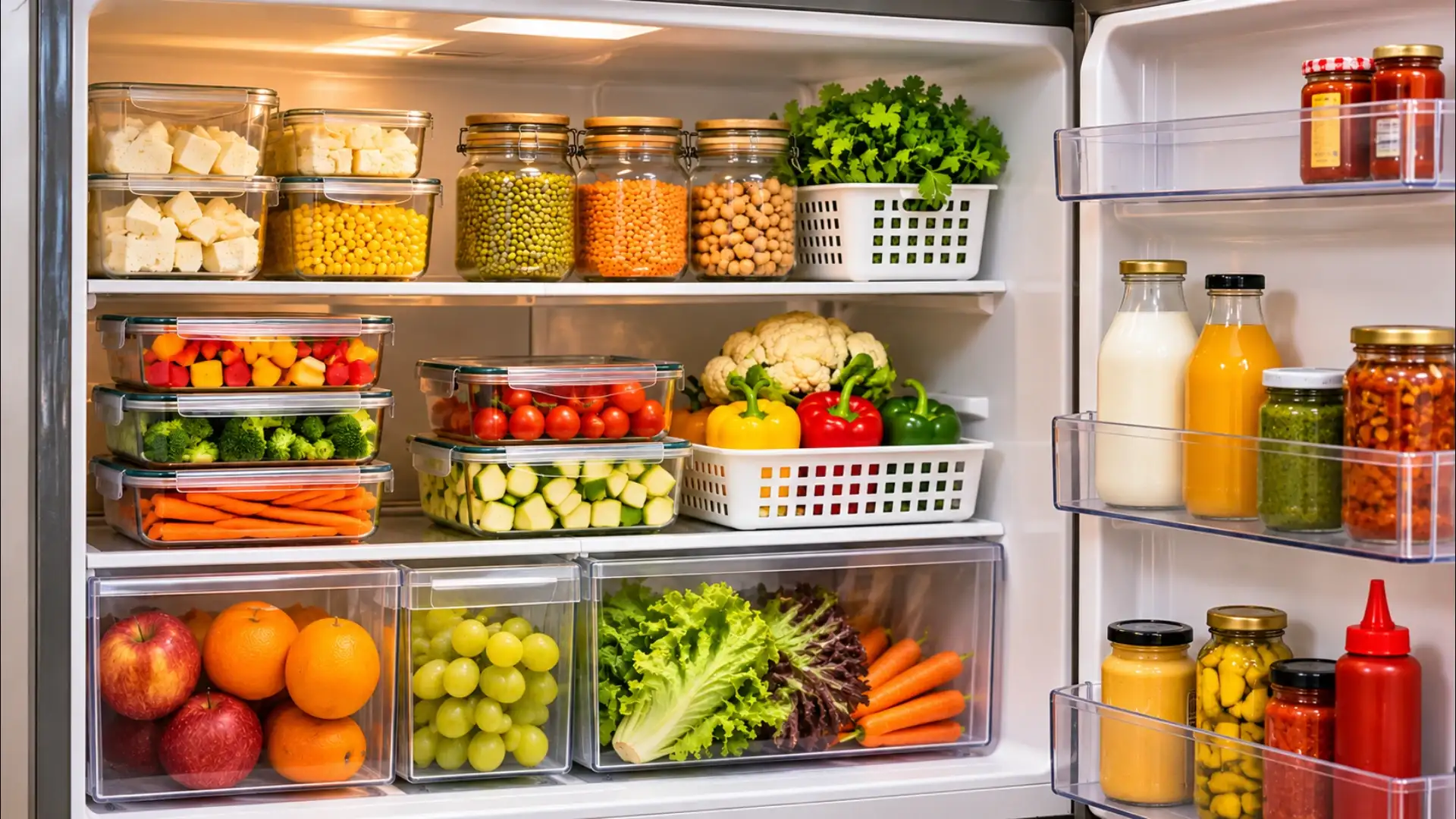
When everything is placed wherever it fits, it becomes harder to remember what is available. Some ingredients may remain unused at the back until they are no longer suitable for cooking.
A simple storage system can make a noticeable difference. The aim is to create clear sections, keep frequently used items accessible and make it easier to plan meals.
Check the labels and dates on packaged products. Examine stored food and discard anything that is past its use-by date or shows clear signs of spoilage.
Transfer items that need to remain chilled to a suitable cool place while cleaning, and avoid leaving them out for an extended period.
Remove shelves and drawers if the manufacturer's instructions allow it. Wash them with warm water and a suitable cleaning solution, then dry them completely before putting them back.
Wipe the inside walls, door compartments and rubber seals. Small spills around the edges can otherwise become difficult to clean later.
Use the upper shelves for covered containers of prepared dishes and items that need to be used soon.
Keep dairy products together on a suitable shelf rather than scattering them across the refrigerator.
Use the vegetable drawer for fresh produce that is suitable for refrigerated storage. Store herbs in clean containers or appropriate wrapping, depending on their type.
The door shelves are convenient for products that can tolerate the temperature changes caused by frequent opening. Check the manufacturer's instructions for individual products before deciding where to place them.
Choose containers with secure lids to prevent spills and reduce the transfer of odours between dishes.
Use smaller containers for portions that will be consumed separately. This also makes it easier to remove only what is needed.
Avoid placing very hot dishes directly into the refrigerator. Divide large quantities into shallow containers so they cool more quickly, following appropriate food-storage guidance.
Write the name of the dish and the date it was stored. Keep the oldest suitable items towards the front so that they are noticed first.
This is particularly useful for households that prepare meals in advance or store several types of chutney, cooked vegetables and gravies.
Use the first-in, first-out approach: use older suitable supplies before opening newer ones.
A refrigerator thermometer can help you check whether the appliance is maintaining the required temperature.
Avoid overfilling the shelves. Leave enough space for cold air to circulate and do not block the cooling vents.
Note which vegetables, dairy products and prepared dishes need to be used soon. Plan meals around these ingredients before buying more.
This simple habit can reduce duplicate purchases and unnecessary waste.
An organised refrigerator does not need expensive accessories. A few containers, labels and consistent storage habits can make a busy Indian kitchen more efficient.
When everything is placed wherever it fits, it becomes harder to remember what is available. Some ingredients may remain unused at the back until they are no longer suitable for cooking.
A simple storage system can make a noticeable difference. The aim is to create clear sections, keep frequently used items accessible and make it easier to plan meals.
Begin with a complete clean-out
Start by removing everything from the refrigerator.Check the labels and dates on packaged products. Examine stored food and discard anything that is past its use-by date or shows clear signs of spoilage.
Transfer items that need to remain chilled to a suitable cool place while cleaning, and avoid leaving them out for an extended period.
Remove shelves and drawers if the manufacturer's instructions allow it. Wash them with warm water and a suitable cleaning solution, then dry them completely before putting them back.
Wipe the inside walls, door compartments and rubber seals. Small spills around the edges can otherwise become difficult to clean later.
Create separate storage zones
Assigning a purpose to each shelf can help everyone in the household find ingredients quickly.Use the upper shelves for covered containers of prepared dishes and items that need to be used soon.
Keep dairy products together on a suitable shelf rather than scattering them across the refrigerator.
Use the vegetable drawer for fresh produce that is suitable for refrigerated storage. Store herbs in clean containers or appropriate wrapping, depending on their type.
The door shelves are convenient for products that can tolerate the temperature changes caused by frequent opening. Check the manufacturer's instructions for individual products before deciding where to place them.
Use suitable containers
Clear, food-grade containers make it easier to identify stored ingredients without opening every box.Choose containers with secure lids to prevent spills and reduce the transfer of odours between dishes.
Use smaller containers for portions that will be consumed separately. This also makes it easier to remove only what is needed.
Avoid placing very hot dishes directly into the refrigerator. Divide large quantities into shallow containers so they cool more quickly, following appropriate food-storage guidance.
Label and date stored food
A simple label can prevent confusion about when a dish was prepared.Write the name of the dish and the date it was stored. Keep the oldest suitable items towards the front so that they are noticed first.
This is particularly useful for households that prepare meals in advance or store several types of chutney, cooked vegetables and gravies.
Use the first-in, first-out approach: use older suitable supplies before opening newer ones.
Check the temperature
A refrigerator should maintain an appropriate cold temperature. FSSAI guidance for refrigerated storage of high-risk foods specifies 5°C or below.A refrigerator thermometer can help you check whether the appliance is maintaining the required temperature.
Avoid overfilling the shelves. Leave enough space for cold air to circulate and do not block the cooling vents.
Make a weekly organisation routine
Choose one day each week to check the refrigerator before planning your grocery list.Note which vegetables, dairy products and prepared dishes need to be used soon. Plan meals around these ingredients before buying more.
This simple habit can reduce duplicate purchases and unnecessary waste.
An organised refrigerator does not need expensive accessories. A few containers, labels and consistent storage habits can make a busy Indian kitchen more efficient.
Next Story