
Carry-On Packing Tips: Keep Essentials Accessible And Make Better Use Of Every Pocket

A carry-on bag should make travelling easier, not become another source of stress at the airport. Packing too many items can make it difficult to find essentials, while leaving important belongings in checked luggage may create problems if a bag is delayed. A little organisation helps strike a sensible balance.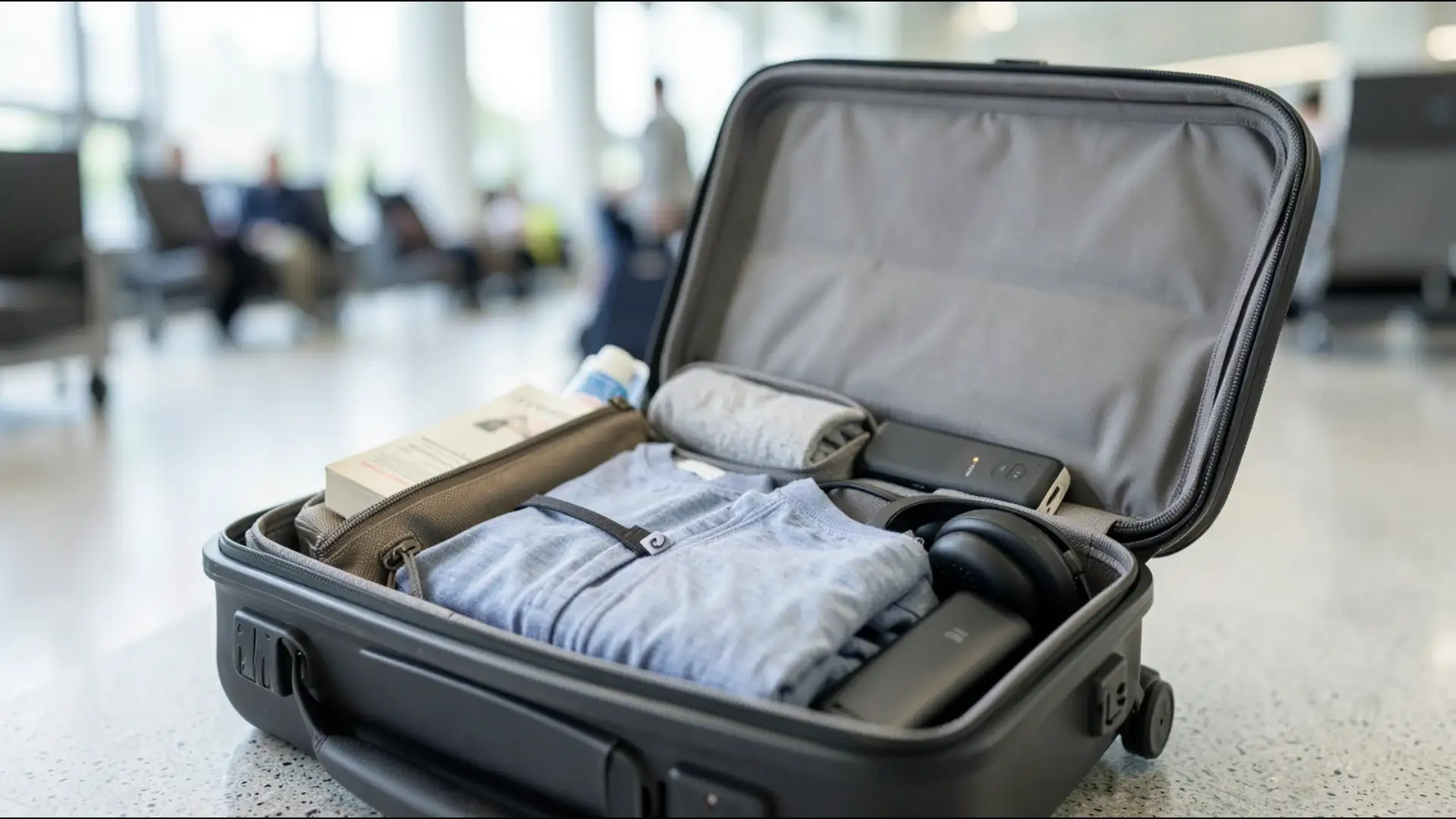
The best approach is to pack according to access and purpose. Keep documents and items needed during the journey in easy-to-reach compartments, while placing less frequently used belongings deeper inside. Before leaving home, check the airline's latest cabin baggage rules because permitted dimensions, weight and liquid restrictions can differ.
Use small pouches to separate electronics, toiletries and personal items. This makes it easier to find a charging cable or toothbrush without unpacking the entire bag. A separate pouch for used tissues, receipts or small rubbish can also keep the main compartment tidy.
Wear bulkier shoes and clothing during the journey when practical. Roll soft garments if that helps fit them into the available space, but avoid compressing delicate fabrics that crease easily. Keep a lightweight bag for separating worn clothing.
Keep electronic devices and their accessories together. Charge essential devices before leaving, and check whether your power bank is permitted in cabin baggage. Many airlines require spare lithium batteries and power banks to remain in the cabin rather than checked luggage. Follow the carrier's current instructions.
Good carry-on packing tips are about usefulness, not filling every available space. Weigh the bag at home, check its dimensions and remove anything you are unlikely to use. A manageable bag is easier to lift, store and carry through a busy terminal.
The best approach is to pack according to access and purpose. Keep documents and items needed during the journey in easy-to-reach compartments, while placing less frequently used belongings deeper inside. Before leaving home, check the airline's latest cabin baggage rules because permitted dimensions, weight and liquid restrictions can differ.
Divide the bag into sections
Start with travel documents, identification, tickets, accommodation details and essential medication. Keep them together in a secure pocket or slim organiser. Do not place all important documents in an outer compartment that can open accidentally.Use small pouches to separate electronics, toiletries and personal items. This makes it easier to find a charging cable or toothbrush without unpacking the entire bag. A separate pouch for used tissues, receipts or small rubbish can also keep the main compartment tidy.
Choose clothing carefully
For a short journey, pack only clothing that serves a clear purpose. A spare top, underwear and a lightweight layer can be useful if the journey is long or the cabin temperature changes. Choose pieces that can be combined rather than packing several outfits that serve the same purpose.Wear bulkier shoes and clothing during the journey when practical. Roll soft garments if that helps fit them into the available space, but avoid compressing delicate fabrics that crease easily. Keep a lightweight bag for separating worn clothing.
Manage liquids and electronics
Check the airport and airline rules for liquids before packing toiletries. Where restrictions apply, use containers within the permitted size and place them in the required transparent bag. Solid alternatives, such as a soap bar, may save space.Keep electronic devices and their accessories together. Charge essential devices before leaving, and check whether your power bank is permitted in cabin baggage. Many airlines require spare lithium batteries and power banks to remain in the cabin rather than checked luggage. Follow the carrier's current instructions.
Leave room for access
Place items needed during boarding or the flight near the top. A water bottle should be empty when passing security if the airport requires it, then refilled where facilities are available. Keep a light snack, headphones and reading material accessible without blocking the bag's main zip.Good carry-on packing tips are about usefulness, not filling every available space. Weigh the bag at home, check its dimensions and remove anything you are unlikely to use. A manageable bag is easier to lift, store and carry through a busy terminal.
Next Story