
How To Pack Fragile Souvenirs Safely Without Damaging Them

A holiday souvenir can hold more than its purchase value. A handmade ceramic bowl, a glass ornament or a delicate decorative item may remind you of a memorable place long after the journey ends. Bringing such objects home safely, however, requires more care than packing ordinary clothing.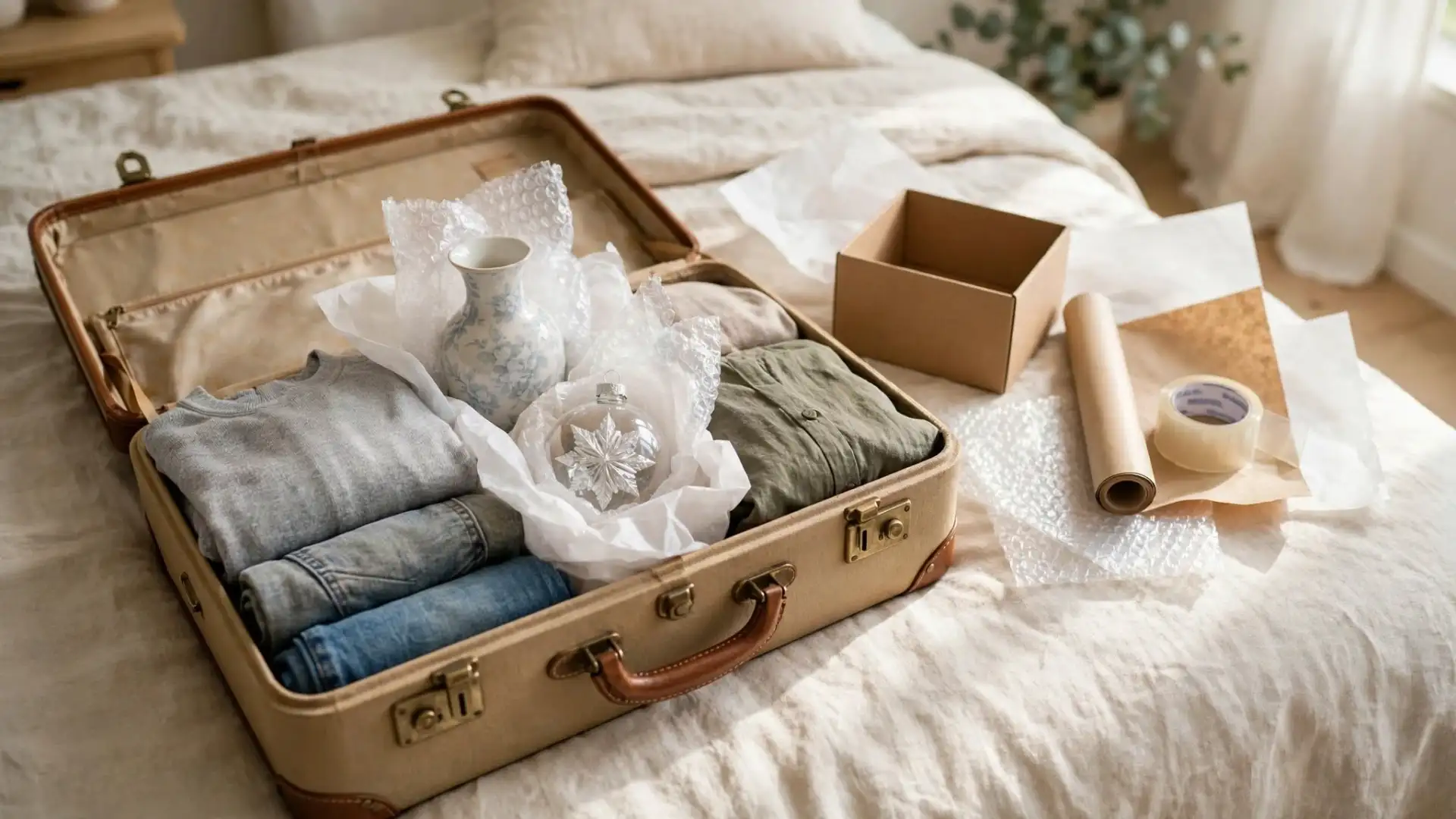
Fragile purchases are exposed to movement, pressure and sudden handling during travel. A little preparation before leaving the shop can reduce the risk of damage. The right packing method also depends on the item's size, shape and material.
Keep the original packaging if it is sturdy and properly fitted. A box with internal supports is often more useful than wrapping an item loosely in paper.
For purchases without packaging, use bubble wrap, soft packing paper or clean fabric. Avoid relying on a thin shopping bag, which provides little protection against pressure or impact.
Use several layers of protective material, but avoid wrapping so tightly that pressure is placed on delicate parts. If the object has a removable lid or separate components, wrap each piece individually.
For hollow items such as cups or bowls, add soft material inside where appropriate. This helps reduce movement, although the material should not be forced into the object.
Avoid placing heavy objects directly on top. Fragile souvenirs should not sit near hard corners, wheels or sections of a suitcase that experience repeated impact.
If you are carrying the item in hand baggage, check the airline's current cabin baggage rules, size restrictions and security requirements before travelling. Some objects may need special handling or may not be permitted in the cabin.
Photograph the item before packing, especially if it is expensive or unique. Keep the receipt and any relevant documentation separately.
When travelling by car, keep delicate purchases away from loose luggage and secure them on a stable surface. With careful wrapping and thoughtful placement, even breakable souvenirs have a better chance of reaching home safely.
Fragile purchases are exposed to movement, pressure and sudden handling during travel. A little preparation before leaving the shop can reduce the risk of damage. The right packing method also depends on the item's size, shape and material.
Ask the seller for protective packaging
Before leaving the shop, ask whether the item can be wrapped for travel. Sellers who regularly handle ceramics, glassware or handicrafts may have suitable protective materials.Keep the original packaging if it is sturdy and properly fitted. A box with internal supports is often more useful than wrapping an item loosely in paper.
For purchases without packaging, use bubble wrap, soft packing paper or clean fabric. Avoid relying on a thin shopping bag, which provides little protection against pressure or impact.
Wrap the item carefully
Cover the entire object, paying particular attention to handles, corners, narrow sections and decorative projections. These areas are often more vulnerable to breakage.Use several layers of protective material, but avoid wrapping so tightly that pressure is placed on delicate parts. If the object has a removable lid or separate components, wrap each piece individually.
For hollow items such as cups or bowls, add soft material inside where appropriate. This helps reduce movement, although the material should not be forced into the object.
Choose the right luggage position
Place the wrapped item inside a rigid box or a well-protected section of your luggage. Surround it with soft clothing or other cushioning so it cannot move freely.Avoid placing heavy objects directly on top. Fragile souvenirs should not sit near hard corners, wheels or sections of a suitcase that experience repeated impact.
If you are carrying the item in hand baggage, check the airline's current cabin baggage rules, size restrictions and security requirements before travelling. Some objects may need special handling or may not be permitted in the cabin.
Keep important purchases accessible
For particularly valuable or delicate items, consider whether carrying them separately is safer than placing them in checked luggage. Never assume that a fragile sticker guarantees careful handling.Photograph the item before packing, especially if it is expensive or unique. Keep the receipt and any relevant documentation separately.
Avoid common packing mistakes
Do not leave empty spaces around a fragile object, as it may shift during transit. Equally, do not overfill the box until the item is under pressure.When travelling by car, keep delicate purchases away from loose luggage and secure them on a stable surface. With careful wrapping and thoughtful placement, even breakable souvenirs have a better chance of reaching home safely.
Next Story