
How To Photograph Your Dog Like A Professional And Capture Picture Perfect Pet Moments

Want Better Pet Photos? Learn How To Photograph Your Dog Like A Pro: Dogs bring joy, energy and endless memorable moments into everyday life. Naturally, many pet owners want to capture these moments through photographs that truly reflect their dog’s personality. However, taking great pictures of pets can sometimes feel challenging. Dogs move quickly, get distracted easily and rarely sit still for long. The good news is that with a few simple dog photography tips , anyone can take beautiful and professional-looking photos. By understanding lighting, timing and your dog’s behaviour, you can transform ordinary snapshots into stunning pet portraits that you will cherish for years.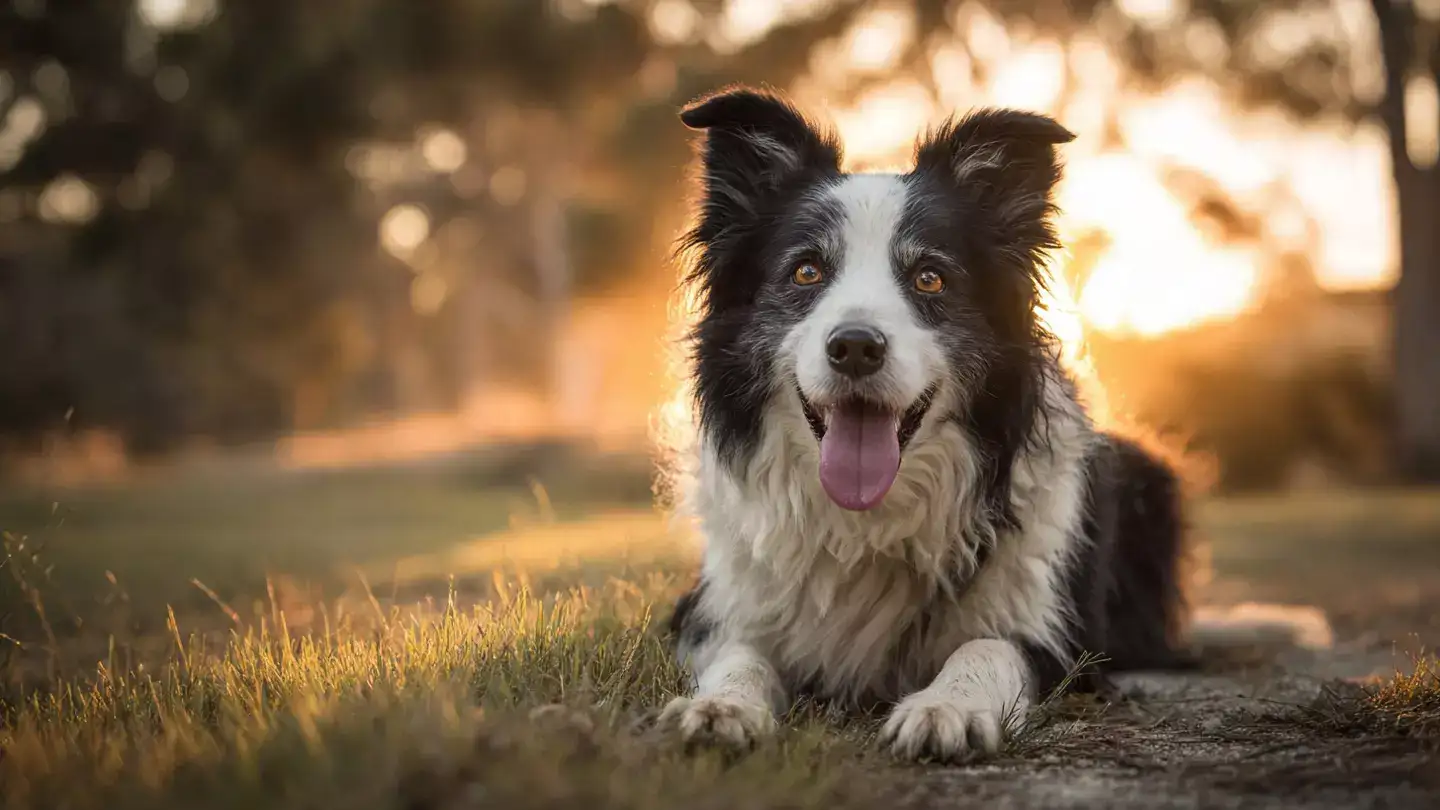
Observing your dog’s behaviour helps you anticipate the right moment to take a photograph. For example, energetic dogs may produce the best photos while running or playing, whereas calmer dogs may look best in relaxed poses.
Capturing natural behaviour often creates more authentic images than forcing your dog to sit still for long periods.
Early morning and late afternoon are especially ideal times because the sunlight is softer and warmer. This helps create more balanced and visually pleasing photographs.
If you are photographing your dog indoors, try placing them near a window where natural light enters the room. Avoid using harsh flash, as it may startle your dog and create unnatural lighting in the photo.
Photographing from this angle creates a more engaging and intimate image. It allows the viewer to see the world from your dog’s perspective and highlights facial expressions more clearly.
Kneeling or sitting on the ground while photographing can instantly make your pictures look more professional and visually appealing.
Open grassy fields, neutral walls or natural landscapes often work well. These settings keep the focus on your dog rather than the surroundings.
Before taking a picture, quickly scan the background to ensure there are no distracting objects or bright colours that may draw attention away from your pet.
Holding a treat near the camera lens may encourage your dog to look directly at the camera. Toys can also create playful expressions and energetic poses that look great in photographs.
However, it is best to keep sessions short and enjoyable so your dog remains relaxed and happy.
Using a fast shutter speed helps freeze motion and ensures the photo remains sharp. Try photographing your dog while they chase a ball or run towards you.
Action shots showcase your dog’s personality and energy, creating photographs that feel vibrant and full of life.
Taking multiple photos increases the chances of capturing a great expression or pose. Sometimes the best picture comes when your dog is simply being themselves rather than following instructions.
Allow your dog to move freely and capture spontaneous moments that reveal their true personality.
When composing a shot, try focusing on your dog’s eyes and ensuring they are well lit. This technique helps bring life and depth to the photograph.
Even simple portraits can look powerful when the eyes are the main focal point.
You might try close-up portraits, wide outdoor shots or playful action scenes. Each approach can reveal a different aspect of your pet’s personality.
With practice and patience, photographing your dog can become a fun and rewarding activity that strengthens the bond between you and your pet while creating lasting visual memories.
Image Courtesy: Meta AI
Understand Your Dog’s Personality Before Shooting
One of the most important steps in pet photography is understanding your dog’s personality. Every dog has unique habits, expressions and energy levels. Some dogs are playful and energetic, while others are calm and observant.Observing your dog’s behaviour helps you anticipate the right moment to take a photograph. For example, energetic dogs may produce the best photos while running or playing, whereas calmer dogs may look best in relaxed poses.
Capturing natural behaviour often creates more authentic images than forcing your dog to sit still for long periods.
Use Natural Light For Better Photos
Lighting plays a crucial role in photography, and natural light is often the best option for photographing pets. Outdoor environments such as parks, gardens or open spaces provide soft and flattering light that highlights your dog’s features.Early morning and late afternoon are especially ideal times because the sunlight is softer and warmer. This helps create more balanced and visually pleasing photographs.
If you are photographing your dog indoors, try placing them near a window where natural light enters the room. Avoid using harsh flash, as it may startle your dog and create unnatural lighting in the photo.
Get Down To Your Dog’s Eye Level
One of the easiest ways to improve dog photo ideas is to change your perspective. Instead of taking photos from above, try getting down to your dog’s eye level.Photographing from this angle creates a more engaging and intimate image. It allows the viewer to see the world from your dog’s perspective and highlights facial expressions more clearly.
Kneeling or sitting on the ground while photographing can instantly make your pictures look more professional and visually appealing.
Keep The Background Simple
A cluttered background can distract from the main subject of the photo. When practising pet photography techniques , it is helpful to choose locations with simple or clean backgrounds.Open grassy fields, neutral walls or natural landscapes often work well. These settings keep the focus on your dog rather than the surroundings.
Before taking a picture, quickly scan the background to ensure there are no distracting objects or bright colours that may draw attention away from your pet.
Use Treats And Toys To Capture Attention
Keeping a dog focused during a photo session can be difficult. Using treats, favourite toys or familiar sounds can help grab their attention at the right moment.Holding a treat near the camera lens may encourage your dog to look directly at the camera. Toys can also create playful expressions and energetic poses that look great in photographs.
However, it is best to keep sessions short and enjoyable so your dog remains relaxed and happy.
Capture Action Shots For Dynamic Photos
Some of the most exciting dog photography tips involve capturing your pet in motion. Running, jumping or playing activities often produce lively and natural images.Using a fast shutter speed helps freeze motion and ensures the photo remains sharp. Try photographing your dog while they chase a ball or run towards you.
Action shots showcase your dog’s personality and energy, creating photographs that feel vibrant and full of life.
You may also like
- India Issues Fuel Safety Advisory Amid Global Tensions
- Understanding the Impact of New Labour Codes on Salaries in India
- India Faces LPG Cylinder Shortages: Government Urges Shift to Piped Natural Gas
- The Rise of Piped Natural Gas: A Modern Solution for Urban Kitchens
- Poetry and Profanities Instead of Answers in Semester Exams! University Shocked After Reviewing 5,000 Answer Sheets
Be Patient And Take Multiple Shots
Patience is one of the most valuable skills in professional dog photography . Dogs may not always cooperate immediately, and the perfect moment can appear unexpectedly.Taking multiple photos increases the chances of capturing a great expression or pose. Sometimes the best picture comes when your dog is simply being themselves rather than following instructions.
Allow your dog to move freely and capture spontaneous moments that reveal their true personality.
Focus On The Eyes For Emotional Impact
In pet photography, the eyes are often the most expressive feature. A photograph where the dog’s eyes are sharp and clear immediately creates a stronger emotional connection.When composing a shot, try focusing on your dog’s eyes and ensuring they are well lit. This technique helps bring life and depth to the photograph.
Even simple portraits can look powerful when the eyes are the main focal point.
Practice And Experiment With Different Angles
Photography is both a technical skill and a creative process. Experimenting with different angles, lighting conditions and environments helps you discover what works best for your dog.You might try close-up portraits, wide outdoor shots or playful action scenes. Each approach can reveal a different aspect of your pet’s personality.
With practice and patience, photographing your dog can become a fun and rewarding activity that strengthens the bond between you and your pet while creating lasting visual memories.
Image Courtesy: Meta AI






More from our partners


Loving Newspoint? Download the app now
