
How to Plan a Relaxed Visit to Badami's Cave Temples and Nearby Historic Sites

Badami in Karnataka is known for its rock-cut cave temples, sculpted architecture and a landscape framed by red sandstone cliffs. The town offers a heritage experience, with several monuments close enough to explore in a planned day. Its appeal lies in the detail: carved figures, columns and views across the terrain.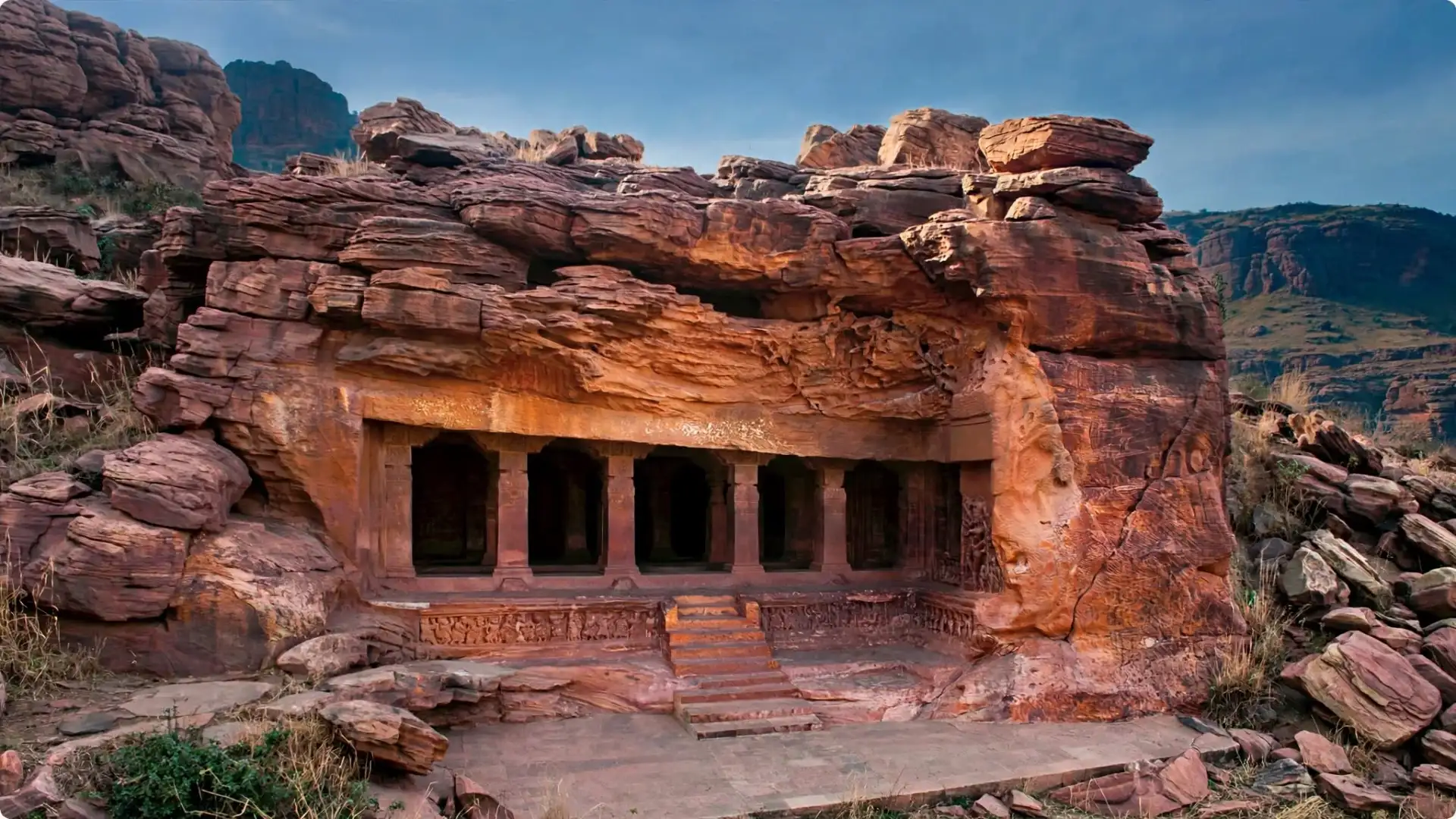
A visit is more rewarding when time is set aside for each cave rather than treating the complex as a quick photo stop. The steps can be steep, and the stone surfaces may become slippery in wet weather. Comfortable footwear, water and brief background reading make the visit easier.
Look closely at the pillars, ceilings and panels rather than moving quickly from one chamber to the next. The carvings are best appreciated at a measured pace. Photography rules and access conditions can change, so follow signs and instructions from site staff.
If time permits, consider a separate trip to the nearby heritage sites of Aihole and Pattadakal . Avoid trying to cover all three locations in a rushed half-day.
The warmer months can make climbing tiring, so begin early and carry drinking water. During or after rain, sandstone steps may be slippery. Wear secure footwear that is easy to remove where required, and avoid climbing on protected structures for photographs.
Badami works well as a heritage-focused trip, especially when paired with nearby sites over more than one day. A flexible plan allows time to appreciate the setting instead of turning the visit into a checklist.
Image Courtesy: Meta AI
A visit is more rewarding when time is set aside for each cave rather than treating the complex as a quick photo stop. The steps can be steep, and the stone surfaces may become slippery in wet weather. Comfortable footwear, water and brief background reading make the visit easier.
Explore the cave temples
Badami's four principal cave temples are cut into the sandstone hillside overlooking Agastya Lake . They contain sculptural representations associated with Hindu and Jain traditions, including detailed figures of deities and mythological scenes. The route involves steps and uneven surfaces, so allow enough time to climb slowly and pause between caves.Look closely at the pillars, ceilings and panels rather than moving quickly from one chamber to the next. The carvings are best appreciated at a measured pace. Photography rules and access conditions can change, so follow signs and instructions from site staff.
Add the town's other heritage stops
The Bhutanatha temple group beside the lake offers a different view of Badami's architectural setting. The red cliffs, water and stone structures create a striking landscape, particularly when the light is softer.If time permits, consider a separate trip to the nearby heritage sites of Aihole and Pattadakal . Avoid trying to cover all three locations in a rushed half-day.
Plan transport and timing
Badami is connected by road and rail, but the most convenient route depends on the starting city and current services. Check train availability and local transport before booking accommodation. Once in town, auto-rickshaws or a hired vehicle can help connect the main sights.The warmer months can make climbing tiring, so begin early and carry drinking water. During or after rain, sandstone steps may be slippery. Wear secure footwear that is easy to remove where required, and avoid climbing on protected structures for photographs.
Visit with care
Dress appropriately for religious sites and keep noise low in active places of worship. Do not touch, scratch or apply anything to carved surfaces. Carry rubbish until you find a proper bin and respect barriers around fragile areas.Badami works well as a heritage-focused trip, especially when paired with nearby sites over more than one day. A flexible plan allows time to appreciate the setting instead of turning the visit into a checklist.
Image Courtesy: Meta AI
Next Story