
How to Prepare Babru With a Seasoned Urad Dal Filling and Soft Wheat Dough

Babru is a Himachali dish made from dough filled with a seasoned black gram paste. It resembles a stuffed flatbread, but the filling and frying method give it a distinctive character. Served with tamarind chutney or a curry, babru makes a traditional filling vegetarian breakfast or evening snack.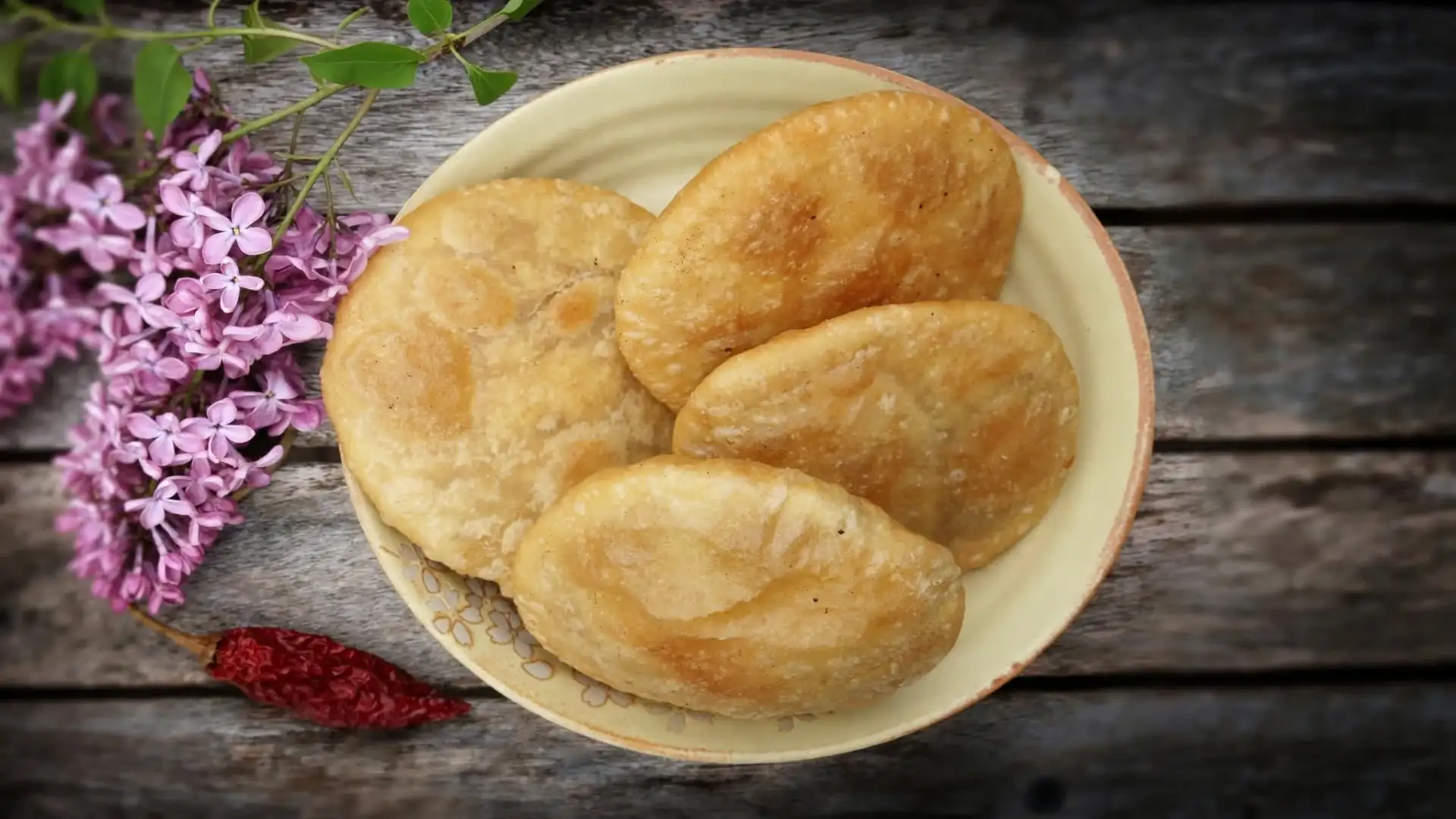
The dough should be soft enough to roll without tearing, while the filling must be ground and seasoned before it is enclosed. Sealing the edges carefully prevents the paste from escaping into the hot oil. With practice, the rounds can be rolled evenly and fried until crisp outside and cooked through inside.
Rinse the black gram and soak it for several hours or overnight. Drain thoroughly and grind it to a thick paste with as little water as possible. Mix in cumin, asafoetida, coriander powder and salt. The filling should be moist enough to spread but not runny.
Flatten one ball into a disc, keeping the centre slightly thicker than the edges. Place a portion of the black gram filling in the middle. Bring the edges together and seal firmly, removing trapped air. Flatten gently and roll into a small round.
Fry until the underside is golden, then turn carefully and cook the other side. Keep the heat moderate so the outside does not brown before the filling is cooked. Drain on a rack or absorbent paper.
Do not overcrowd the pan, as this lowers the oil temperature and can make the breads greasy. Any leftover filling should be refrigerated promptly and used after thorough cooking. Adjust chilli or spices according to preference, but keep the paste thick enough to seal inside the dough.
Image Courtesy: Meta AI
The dough should be soft enough to roll without tearing, while the filling must be ground and seasoned before it is enclosed. Sealing the edges carefully prevents the paste from escaping into the hot oil. With practice, the rounds can be rolled evenly and fried until crisp outside and cooked through inside.
Ingredients for the filling and dough
For about eight babru, use 1 cup whole black gram (urad), 2 cups wheat flour, ½ teaspoon cumin seeds, a pinch of asafoetida, ½ teaspoon coriander powder, salt and oil for frying. Keep water ready for soaking, grinding and kneading.Rinse the black gram and soak it for several hours or overnight. Drain thoroughly and grind it to a thick paste with as little water as possible. Mix in cumin, asafoetida, coriander powder and salt. The filling should be moist enough to spread but not runny.
Prepare the dough
Place the wheat flour in a bowl with a pinch of salt. Add water gradually and knead until a smooth, pliable dough forms. Cover it and rest for about 20 minutes. Divide into eight equal portions and roll each into a small ball.Flatten one ball into a disc, keeping the centre slightly thicker than the edges. Place a portion of the black gram filling in the middle. Bring the edges together and seal firmly, removing trapped air. Flatten gently and roll into a small round.
Fry evenly
Heat oil in a deep, heavy pan over a medium flame. Test the temperature with a tiny piece of dough: it should rise steadily without browning immediately. Slide in one babru at a time, depending on the size of the pan.Fry until the underside is golden, then turn carefully and cook the other side. Keep the heat moderate so the outside does not brown before the filling is cooked. Drain on a rack or absorbent paper.
Serve while warm
Babru is often served with tamarind chutney, a simple curry or yoghurt. The tangy accompaniment balances the earthy black gram filling. Serve fresh for the best texture.Do not overcrowd the pan, as this lowers the oil temperature and can make the breads greasy. Any leftover filling should be refrigerated promptly and used after thorough cooking. Adjust chilli or spices according to preference, but keep the paste thick enough to seal inside the dough.
Image Courtesy: Meta AI
Next Story