
How to Prepare Nutritious and Safe Homemade Meals for Your Cat Every Day

Cats are natural carnivores with unique dietary needs that often differ from commercial cat food. Preparing homemade meals allows pet owners to provide fresh, high-quality ingredients tailored to their feline companion’s health. Homemade cat food can improve digestion, enhance coat quality, and prevent common health issues like obesity and urinary problems. With the right balance of protein, fats, and essential nutrients, these meals can be both delicious and nourishing. By understanding feline nutrition and incorporating safe, wholesome ingredients, you can ensure your cat thrives on a homemade diet.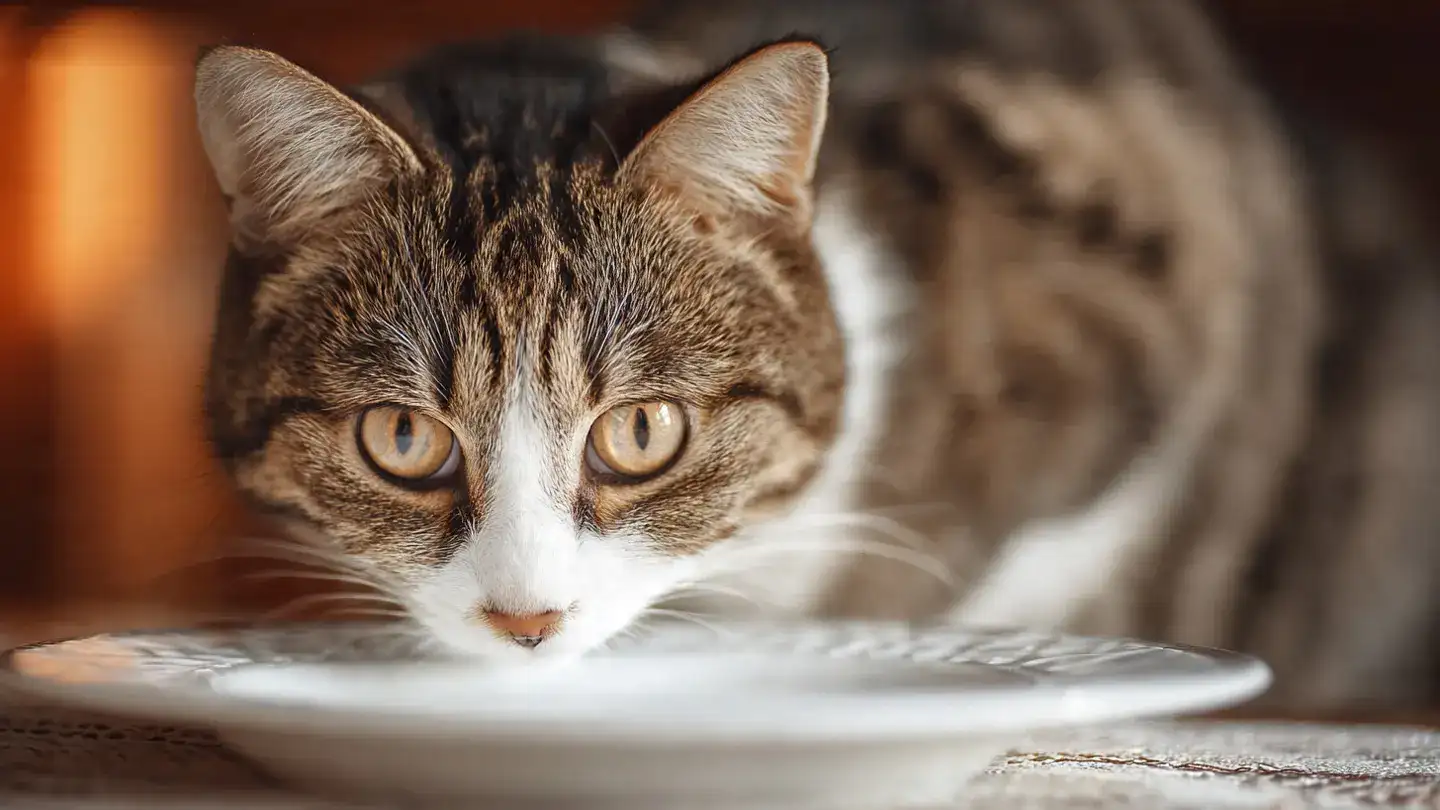
Providing homemade meals for your cat not only strengthens the bond between you and your pet but also ensures they receive the nutrition necessary for a healthy, active life. By using fresh, safe ingredients and monitoring nutritional balance, you can offer meals that are both delicious and supportive of your cat’s long-term well-being.
Image Courtesy: Meta AI
Understanding Cat Nutrition
Cats require a diet rich in animal-based proteins, taurine, and certain essential fatty acids that cannot be fully provided by plant-based foods. Unlike humans, they have limited ability to convert some nutrients from plant sources, making meat and fish crucial for their well-being. Homemade meals should therefore focus on lean meats such as chicken, turkey, or fish, supplemented with small amounts of vegetables and grains for fibre and variety. Avoid ingredients like onions, garlic, chocolate, and excessive salt, which are toxic to cats.Easy Homemade Meal Ideas
One simple and nutritious option is boiled chicken mixed with cooked pumpkin or carrots. This combination provides easily digestible protein along with fibre for healthy digestion. Another popular recipe includes poached fish, such as salmon or sardines, combined with a small amount of cooked rice or quinoa. For cats with sensitive stomachs, plain cooked eggs can be offered occasionally. All ingredients should be cooked without seasoning or oil, and portions should be adjusted according to your cat’s age, weight, and activity level.You may also like
- No visa-on-arrival for Pakistanis in Qatar: Pak Embassy in Doha issues new travel advisory
- If monthly period pain is exhausting, include these 7 things in your diet to strengthen your body
- 7 Bhagavad Gita Lessons That Can End Overthinking Forever
- Cotton Care: Tired of Wrinkled Cottons? Here's How to Keep Them Looking Freshly Ironed!
- Smokey Eye: Nail the Perfect Party Look in Minutes & Be the Centre of Attention
Incorporating Supplements for Balanced Diet
While homemade meals can cover many nutritional needs, some essential nutrients like taurine, calcium, and certain vitamins may need to be supplemented. Taurine is critical for heart and eye health, while calcium from crushed eggshells or supplements supports strong bones. Omega-3 fatty acids from fish oil can enhance coat quality and overall vitality. Consulting a veterinarian before introducing supplements ensures that your cat’s diet remains balanced and avoids any deficiencies or overdosing risks.Tips for Safe and Convenient Feeding
Maintaining proper hygiene is essential when preparing homemade meals. Always wash your hands and utensils thoroughly after handling raw meat. Store cooked meals in airtight containers in the refrigerator for up to three days, or freeze portions for later use. Gradually transition your cat from commercial food to homemade meals over one to two weeks to prevent digestive upset. Offering small, frequent meals mimics a cat’s natural eating habits and helps maintain stable energy levels.Encouraging Picky Eaters
Some cats may initially resist homemade meals. Mixing small amounts of new recipes with their regular food can help them adjust gradually. Experimenting with textures, such as finely chopped versus shredded meat, or slightly warm versus room temperature meals, can make a difference. Patience and consistency are key to ensuring your cat enjoys and benefits from a homemade diet.Providing homemade meals for your cat not only strengthens the bond between you and your pet but also ensures they receive the nutrition necessary for a healthy, active life. By using fresh, safe ingredients and monitoring nutritional balance, you can offer meals that are both delicious and supportive of your cat’s long-term well-being.
Image Courtesy: Meta AI






More from our partners


Loving Newspoint? Download the app now
