
How To Prepare Restaurant-Style Soya Chunk Curry With Rich Homemade Flavours

Soya Chunk Curry has become a popular vegetarian dish in many Indian households because of its high protein content, satisfying texture and ability to absorb rich flavours beautifully. Often considered an affordable and versatile ingredient, soya chunks are widely used in curries, pulao, snacks and stir-fried dishes. However, many people struggle with one common problem while preparing them at home — dry, rubbery or chewy texture.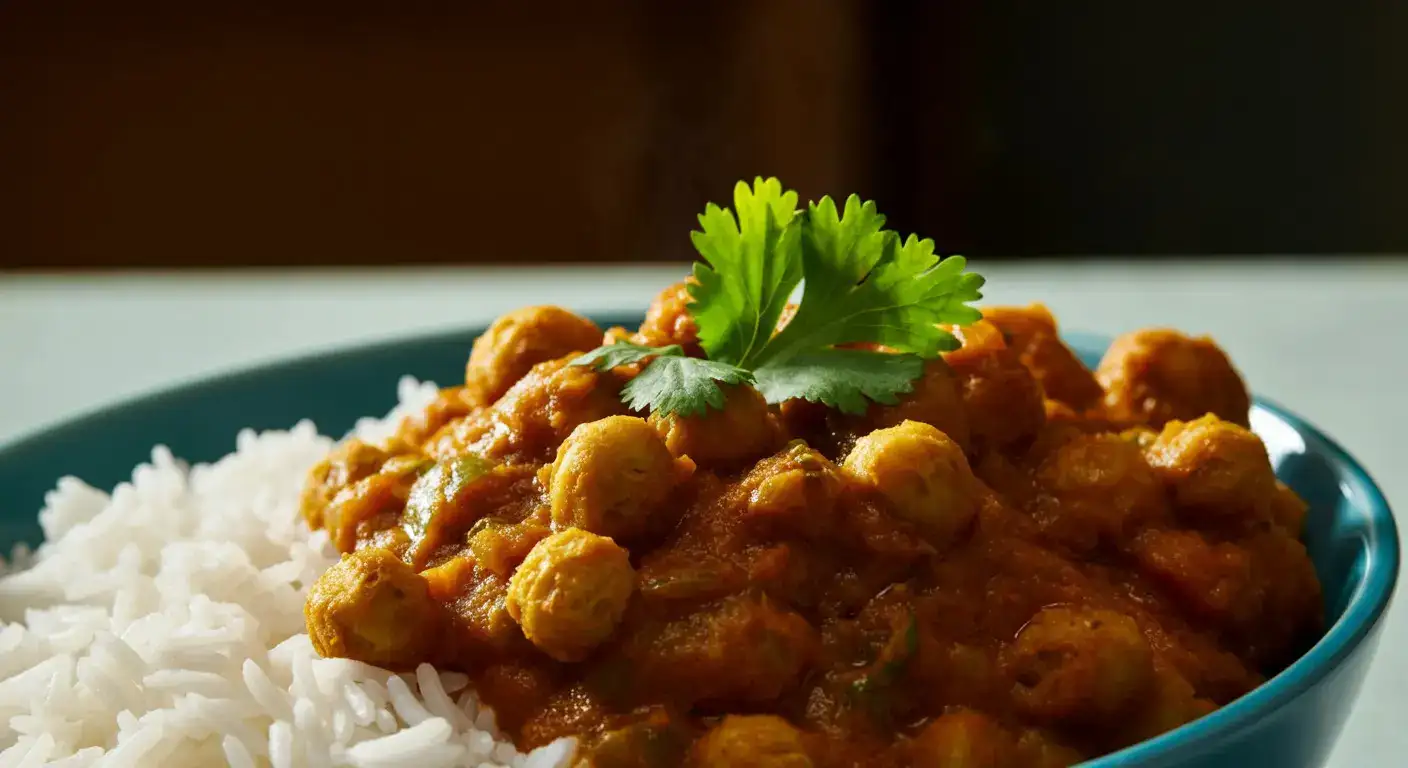
Perfectly cooked soya chunks should feel soft, juicy and flavourful rather than tough or bland. The secret lies not only in the cooking process but also in proper soaking, squeezing and seasoning techniques. When prepared correctly, soya chunks absorb spices and gravy extremely well, creating a rich and satisfying curry suitable for both everyday meals and special occasions.
With the right preparation methods, homemade Soya Chunk Curry can become both delicious and highly nutritious.
They are commonly included in vegetarian diets as an alternative protein source and are often used in meals aimed at improving satiety and balanced nutrition.
Their neutral flavour allows them to absorb spices and gravy effectively, making them highly adaptable for Indian cooking styles.
Soya chunks also pair well with onions, tomatoes, curd and traditional masalas commonly used in Indian curries.
Dry soya chunks should first be boiled or soaked in hot water for several minutes until they expand fully and soften. Some people also add a pinch of salt while boiling to improve flavour absorption.
After soaking, the chunks must be squeezed gently to remove excess water and any raw smell.
However, squeezing too aggressively may remove too much moisture, resulting in dry texture later during cooking.
The goal is to remove unwanted water while retaining softness inside the chunks.
After squeezing the chunks once, rinsing them briefly in fresh water often helps improve overall flavour and freshness.
This step becomes especially useful when preparing rich gravies where balanced taste matters significantly.
Properly rinsed and softened chunks absorb spices more evenly during cooking.
Turmeric, cumin, coriander powder, red chilli powder and garam masala are commonly used to build flavour depth.
Some recipes also include curd, cream or cashew paste for richer texture.
Fresh coriander leaves are generally added at the end for garnish and freshness.
The choice of spices can easily be adjusted depending on whether the curry is intended to be mild, spicy or restaurant-style.
Oil or ghee is heated first before sautéing cumin seeds, onions and aromatics until golden brown. Tomatoes and powdered spices are then cooked thoroughly until the mixture develops a rich consistency.
Cooking the masala patiently helps remove raw flavours and improves overall depth.
Some cooks blend the onion-tomato mixture for smoother restaurant-style gravy, while others prefer rustic texture with visible ingredients.
Balanced spice cooking helps the chunks absorb flavour more effectively later.
Allowing them to cook in the gravy for sufficient time helps them absorb spices, moisture and aroma deeply.
Adding a little warm water or stock during simmering may further improve softness and juiciness.
Cooking on low to medium heat usually produces better flavour absorption compared to high heat cooking.
Covering the pan while simmering also helps retain moisture inside the chunks.
Cooking them for too long after squeezing may remove internal moisture and harden texture gradually.
Similarly, directly frying dry or poorly soaked chunks often creates chewiness instead of softness.
Maintaining balanced moisture throughout cooking is one of the most effective ways to keep them juicy.
Using fresh soya chunks stored properly also improves texture quality significantly.
It is commonly served with steamed rice, jeera rice, chapati, naan or paratha for lunch and dinner.
The curry also works well as part of high-protein vegetarian meal plans because it feels filling and satisfying.
Fresh salad, curd or lightly pickled onions often complement the richness of the curry nicely.
Leftover curry may also taste more flavourful the next day because the chunks continue absorbing spices over time.
The dish also contains fibre, essential minerals and nutrients derived from spices, onions and tomatoes used during preparation.
When cooked with moderate oil and balanced ingredients, Soya Chunk Curry can become a nutritious meal option for regular home cooking.
However, portion balance and overall diet variety remain important for maintaining healthy eating habits.
Preparing dishes like Soya Chunk Curry at home also helps customise flavours according to family preferences while maintaining nutritional balance.
Traditional home cooking techniques continue to remain valuable because they combine comfort, flavour and practical nutrition effectively.
Soya Chunk Curry remains one of the most satisfying vegetarian dishes because of its rich flavour, hearty texture and high protein content. With proper soaking, balanced cooking and careful moisture control, soya chunks can become soft, juicy and deeply flavourful instead of dry or rubbery. Whether served with rice or Indian breads, this comforting curry continues to offer a delicious and wholesome meal option for everyday home cooking.
Perfectly cooked soya chunks should feel soft, juicy and flavourful rather than tough or bland. The secret lies not only in the cooking process but also in proper soaking, squeezing and seasoning techniques. When prepared correctly, soya chunks absorb spices and gravy extremely well, creating a rich and satisfying curry suitable for both everyday meals and special occasions.
With the right preparation methods, homemade Soya Chunk Curry can become both delicious and highly nutritious.
Why Soya Chunks Are Popular In Indian Kitchens
Soya chunks are widely appreciated because they provide a rich source of plant-based protein while remaining affordable and easy to store.They are commonly included in vegetarian diets as an alternative protein source and are often used in meals aimed at improving satiety and balanced nutrition.
Their neutral flavour allows them to absorb spices and gravy effectively, making them highly adaptable for Indian cooking styles.
Soya chunks also pair well with onions, tomatoes, curd and traditional masalas commonly used in Indian curries.
The Importance Of Proper Soaking
One of the most important steps in making juicy soya chunk curry is soaking the chunks correctly.Dry soya chunks should first be boiled or soaked in hot water for several minutes until they expand fully and soften. Some people also add a pinch of salt while boiling to improve flavour absorption.
After soaking, the chunks must be squeezed gently to remove excess water and any raw smell.
However, squeezing too aggressively may remove too much moisture, resulting in dry texture later during cooking.
The goal is to remove unwanted water while retaining softness inside the chunks.
Why Rinsing Matters
Many people skip rinsing after boiling, which may leave a slightly strong soya smell in the curry.After squeezing the chunks once, rinsing them briefly in fresh water often helps improve overall flavour and freshness.
This step becomes especially useful when preparing rich gravies where balanced taste matters significantly.
Properly rinsed and softened chunks absorb spices more evenly during cooking.
Ingredients Needed For Soya Chunk Curry
The curry base usually includes onions, tomatoes, ginger, garlic and traditional Indian spices.Turmeric, cumin, coriander powder, red chilli powder and garam masala are commonly used to build flavour depth.
Some recipes also include curd, cream or cashew paste for richer texture.
Fresh coriander leaves are generally added at the end for garnish and freshness.
The choice of spices can easily be adjusted depending on whether the curry is intended to be mild, spicy or restaurant-style.
Preparing A Rich Curry Base
A flavourful gravy is essential for juicy soya chunks because the chunks absorb much of the curry’s taste.Oil or ghee is heated first before sautéing cumin seeds, onions and aromatics until golden brown. Tomatoes and powdered spices are then cooked thoroughly until the mixture develops a rich consistency.
Cooking the masala patiently helps remove raw flavours and improves overall depth.
Some cooks blend the onion-tomato mixture for smoother restaurant-style gravy, while others prefer rustic texture with visible ingredients.
Balanced spice cooking helps the chunks absorb flavour more effectively later.
Cooking Soya Chunks In The Gravy
Soya chunks should be simmered properly in the prepared curry base rather than added only at the final stage.Allowing them to cook in the gravy for sufficient time helps them absorb spices, moisture and aroma deeply.
Adding a little warm water or stock during simmering may further improve softness and juiciness.
Cooking on low to medium heat usually produces better flavour absorption compared to high heat cooking.
Covering the pan while simmering also helps retain moisture inside the chunks.
How To Avoid Rubbery Texture
Rubbery soya chunks usually result from either insufficient soaking or overcooking.Cooking them for too long after squeezing may remove internal moisture and harden texture gradually.
Similarly, directly frying dry or poorly soaked chunks often creates chewiness instead of softness.
Maintaining balanced moisture throughout cooking is one of the most effective ways to keep them juicy.
Using fresh soya chunks stored properly also improves texture quality significantly.
Best Ways To Serve Soya Chunk Curry
Juicy Soya Chunk Curry pairs well with several Indian meals.It is commonly served with steamed rice, jeera rice, chapati, naan or paratha for lunch and dinner.
The curry also works well as part of high-protein vegetarian meal plans because it feels filling and satisfying.
You may also like
- SCSS Emerges as a Top Retirement Income Plan: Earn ₹61,500 Every Quarter With Government Security
- Hidden Cash and Gold Could Trigger Massive Tax Trouble! Undisclosed Assets May Attract Up to 86% Penalty
- West Bengal Approves 7th Pay Commission, ₹3,000 Monthly Aid for Women and Free Bus Travel
- Controlled glamour: Why Cannes 2026 fashion ditched spectacle for restraint
- Why Two Women of the Same Age Get Very Different Freezing Results
Fresh salad, curd or lightly pickled onions often complement the richness of the curry nicely.
Leftover curry may also taste more flavourful the next day because the chunks continue absorbing spices over time.
Nutritional Benefits Of Soya Chunk Curry
Soya chunks are rich in protein and are often included in vegetarian diets focused on improving protein intake.The dish also contains fibre, essential minerals and nutrients derived from spices, onions and tomatoes used during preparation.
When cooked with moderate oil and balanced ingredients, Soya Chunk Curry can become a nutritious meal option for regular home cooking.
However, portion balance and overall diet variety remain important for maintaining healthy eating habits.
Why Homemade Curries Taste Better
Homemade curries often allow better control over spice levels, oil quantity and ingredient freshness compared to heavily processed foods.Preparing dishes like Soya Chunk Curry at home also helps customise flavours according to family preferences while maintaining nutritional balance.
Traditional home cooking techniques continue to remain valuable because they combine comfort, flavour and practical nutrition effectively.
Soya Chunk Curry remains one of the most satisfying vegetarian dishes because of its rich flavour, hearty texture and high protein content. With proper soaking, balanced cooking and careful moisture control, soya chunks can become soft, juicy and deeply flavourful instead of dry or rubbery. Whether served with rice or Indian breads, this comforting curry continues to offer a delicious and wholesome meal option for everyday home cooking.






More from our partners


Loving Newspoint? Download the app now
