
How To Prepare Soft And Crispy Gobhi Paratha With Perfect Spiced Stuffing

Gobhi Paratha is one of the most popular stuffed flatbreads enjoyed across many Indian households, especially during breakfast and winter seasons. Known for its flavourful cauliflower filling wrapped inside soft wheat dough, this traditional dish combines comfort, nutrition and satisfying taste in every bite. Served with curd, pickle or butter, Gobhi Paratha continues to remain a favourite choice for families looking for wholesome homemade meals.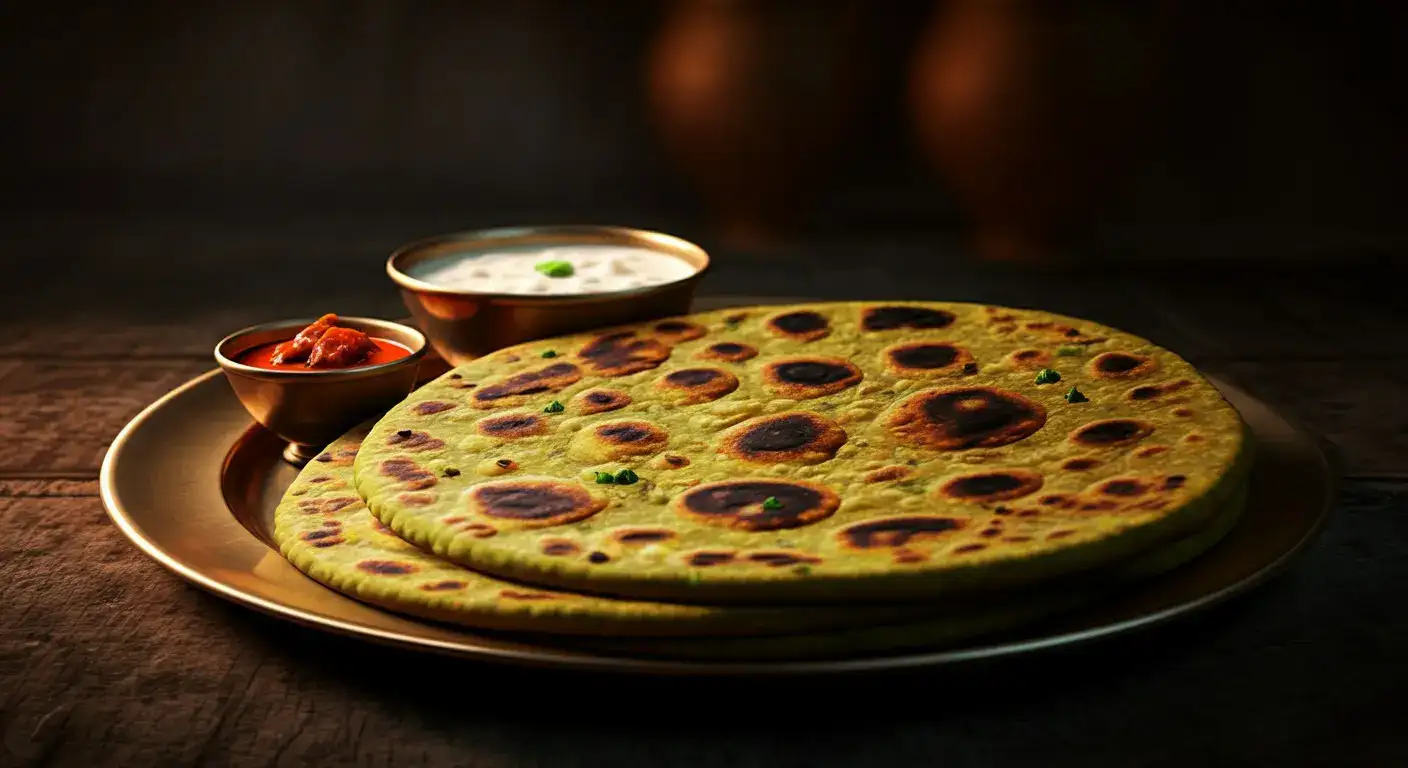
The dish is especially appreciated for its balance of textures and flavours. The crispy outer layer pairs beautifully with the mildly spicy and aromatic cauliflower stuffing, creating a filling meal suitable for breakfast, lunch or even dinner. Although it may appear complicated initially, preparing Gobhi Paratha at home becomes easier with the right techniques and careful ingredient preparation.
Fresh ingredients, proper moisture control and balanced spices are usually the key to making soft, flavourful and well-cooked parathas.
Cauliflower is widely available across India and blends well with traditional spices such as cumin, coriander, green chillies and garam masala. The stuffing offers both flavour and texture while adding vegetables to everyday meals in a delicious form.
The dish also provides flexibility because spice levels and stuffing ingredients can easily be adjusted according to personal taste preferences.
Many households prepare Gobhi Paratha especially during colder months when fresh cauliflower becomes more widely available and flavourful.
For the dough, whole wheat flour, water, salt and a small amount of oil or ghee are generally used.
The stuffing usually includes grated cauliflower, green chillies, ginger, coriander leaves, cumin seeds, turmeric, red chilli powder, coriander powder and salt.
Some people also add onions, ajwain or grated carrots for additional flavour variations.
Fresh cauliflower is often preferred because older cauliflower may contain excess moisture, which can make rolling the paratha difficult.
The wheat flour should be kneaded with enough water to create a smooth dough that is neither too stiff nor overly sticky.
Allowing the dough to rest for around 15 to 20 minutes often improves softness and makes rolling easier later.
Adding a small amount of oil or ghee during kneading may also help improve texture and elasticity.
Rested dough usually produces softer parathas after cooking.
Cauliflower should be washed properly and grated finely to ensure even cooking inside the paratha. Excess moisture must be squeezed out carefully because watery stuffing may tear the dough during rolling.
The grated cauliflower is then mixed with spices, chopped coriander, ginger and green chillies.
Some cooks lightly sauté the stuffing mixture to reduce moisture further, while others prefer using the raw mixture for a fresher taste.
The spices should remain balanced so that the natural flavour of cauliflower remains noticeable.
A small dough ball is first rolled slightly before adding the cauliflower filling inside. The edges are then sealed carefully to prevent stuffing leakage.
Using gentle pressure while rolling helps distribute the filling evenly without tearing the dough.
Dusting lightly with flour during rolling may also prevent sticking.
If the stuffing feels too moist, refrigerating it briefly may help improve handling.
The paratha should first cook partially on both sides before applying oil or ghee for crispness and colour.
Pressing gently while cooking helps ensure even roasting and proper cooking of the stuffing inside.
A well-cooked Gobhi Paratha typically develops golden-brown spots with a crisp outer texture while remaining soft inside.
Cooking on medium heat is generally preferred because high heat may burn the surface while leaving the filling undercooked.
Many people also enjoy it with masala chai during breakfast or evening meals.
The dish works well as a complete meal because it combines carbohydrates, vegetables and moderate satiety in one preparation.
For healthier versions, less oil may be used during cooking while increasing the quantity of fresh herbs and vegetables in the stuffing.
Gobhi Paratha also remains convenient for lunchboxes and travel meals because it stays flavourful for several hours.
Watery filling can make rolling difficult and may cause the paratha to break while cooking.
Using overly large stuffing portions may also make sealing difficult for beginners.
Another common issue is cooking on very high heat, which often burns the outer layer before the inside cooks properly.
Balanced heat, soft dough and properly prepared stuffing usually result in better texture and flavour.
Unlike heavily processed ready-to-eat foods, fresh parathas allow greater control over ingredients, oil quantity and spice levels.
Preparing Gobhi Paratha at home also encourages traditional cooking practices and family meal experiences that remain deeply valued across generations.
Simple recipes like these continue to demonstrate how everyday ingredients can create deeply satisfying meals with authentic flavours and comforting textures.
Gobhi Paratha remains one of India’s most loved traditional dishes because of its rich flavour, wholesome ingredients and comforting appeal. With the right preparation methods and balanced spices, anyone can prepare soft, crispy and flavourful stuffed parathas at home. Whether served during breakfast, lunch or dinner, this classic cauliflower-filled flatbread continues to offer warmth, taste and familiarity that make it a timeless favourite in Indian households.
The dish is especially appreciated for its balance of textures and flavours. The crispy outer layer pairs beautifully with the mildly spicy and aromatic cauliflower stuffing, creating a filling meal suitable for breakfast, lunch or even dinner. Although it may appear complicated initially, preparing Gobhi Paratha at home becomes easier with the right techniques and careful ingredient preparation.
Fresh ingredients, proper moisture control and balanced spices are usually the key to making soft, flavourful and well-cooked parathas.
What Makes Gobhi Paratha So Popular?
Gobhi Paratha has remained popular for generations because of its simplicity, affordability and comforting taste.Cauliflower is widely available across India and blends well with traditional spices such as cumin, coriander, green chillies and garam masala. The stuffing offers both flavour and texture while adding vegetables to everyday meals in a delicious form.
The dish also provides flexibility because spice levels and stuffing ingredients can easily be adjusted according to personal taste preferences.
Many households prepare Gobhi Paratha especially during colder months when fresh cauliflower becomes more widely available and flavourful.
Ingredients Required For Gobhi Paratha
The recipe mainly requires wheat flour, grated cauliflower and basic Indian spices commonly found in home kitchens.For the dough, whole wheat flour, water, salt and a small amount of oil or ghee are generally used.
The stuffing usually includes grated cauliflower, green chillies, ginger, coriander leaves, cumin seeds, turmeric, red chilli powder, coriander powder and salt.
Some people also add onions, ajwain or grated carrots for additional flavour variations.
Fresh cauliflower is often preferred because older cauliflower may contain excess moisture, which can make rolling the paratha difficult.
Preparing The Dough Properly
A soft and flexible dough plays an important role in making good parathas.The wheat flour should be kneaded with enough water to create a smooth dough that is neither too stiff nor overly sticky.
Allowing the dough to rest for around 15 to 20 minutes often improves softness and makes rolling easier later.
Adding a small amount of oil or ghee during kneading may also help improve texture and elasticity.
Rested dough usually produces softer parathas after cooking.
How To Prepare The Cauliflower Filling
The stuffing is the heart of Gobhi Paratha and requires careful preparation.Cauliflower should be washed properly and grated finely to ensure even cooking inside the paratha. Excess moisture must be squeezed out carefully because watery stuffing may tear the dough during rolling.
The grated cauliflower is then mixed with spices, chopped coriander, ginger and green chillies.
Some cooks lightly sauté the stuffing mixture to reduce moisture further, while others prefer using the raw mixture for a fresher taste.
The spices should remain balanced so that the natural flavour of cauliflower remains noticeable.
Tips For Rolling Stuffed Parathas
Rolling stuffed parathas evenly often becomes challenging for beginners, but a few simple techniques can help.A small dough ball is first rolled slightly before adding the cauliflower filling inside. The edges are then sealed carefully to prevent stuffing leakage.
Using gentle pressure while rolling helps distribute the filling evenly without tearing the dough.
Dusting lightly with flour during rolling may also prevent sticking.
If the stuffing feels too moist, refrigerating it briefly may help improve handling.
Cooking Gobhi Paratha Correctly
Gobhi Paratha is usually cooked on a hot tawa or flat pan using ghee, butter or oil.The paratha should first cook partially on both sides before applying oil or ghee for crispness and colour.
Pressing gently while cooking helps ensure even roasting and proper cooking of the stuffing inside.
A well-cooked Gobhi Paratha typically develops golden-brown spots with a crisp outer texture while remaining soft inside.
Cooking on medium heat is generally preferred because high heat may burn the surface while leaving the filling undercooked.
Best Ways To Serve Gobhi Paratha
Gobhi Paratha is often served hot with curd, pickle, white butter or mint chutney.Many people also enjoy it with masala chai during breakfast or evening meals.
The dish works well as a complete meal because it combines carbohydrates, vegetables and moderate satiety in one preparation.
For healthier versions, less oil may be used during cooking while increasing the quantity of fresh herbs and vegetables in the stuffing.
Gobhi Paratha also remains convenient for lunchboxes and travel meals because it stays flavourful for several hours.
Common Mistakes To Avoid
One of the most common mistakes while preparing Gobhi Paratha is ignoring excess moisture in the stuffing.Watery filling can make rolling difficult and may cause the paratha to break while cooking.
You may also like
- How Much Will Inflation Rise Due to the ₹3 Hike in Petrol and Diesel Prices? Get the Full Breakdown from the SBI Report
- Announcement of ₹3,000 Aid for Women in Bengal: How to Receive the Funds and How to Apply?
- FD Interest Rate: This Public Sector Bank Has Hiked FD Interest Rates; New Rates Effective from Today
- One green saree, endless reactions: Sanam Saeed's green drape look at Cannes has everyone talking
- Exploring Shahid Kapoor and Mira Rajput's Luxurious Mumbai Homes
Using overly large stuffing portions may also make sealing difficult for beginners.
Another common issue is cooking on very high heat, which often burns the outer layer before the inside cooks properly.
Balanced heat, soft dough and properly prepared stuffing usually result in better texture and flavour.
Why Homemade Parathas Remain Special
Homemade parathas continue to hold emotional and cultural importance in Indian kitchens.Unlike heavily processed ready-to-eat foods, fresh parathas allow greater control over ingredients, oil quantity and spice levels.
Preparing Gobhi Paratha at home also encourages traditional cooking practices and family meal experiences that remain deeply valued across generations.
Simple recipes like these continue to demonstrate how everyday ingredients can create deeply satisfying meals with authentic flavours and comforting textures.
Gobhi Paratha remains one of India’s most loved traditional dishes because of its rich flavour, wholesome ingredients and comforting appeal. With the right preparation methods and balanced spices, anyone can prepare soft, crispy and flavourful stuffed parathas at home. Whether served during breakfast, lunch or dinner, this classic cauliflower-filled flatbread continues to offer warmth, taste and familiarity that make it a timeless favourite in Indian households.






More from our partners


Loving Newspoint? Download the app now
