
How To Prevent Viral Infections During The Rainy Season And Stay Healthy

The rainy season brings cooler weather and welcome showers, but it can also coincide with an increase in common viral infections. Close contact in crowded indoor spaces, poor hand hygiene and exposure to contaminated surfaces may raise the chances of infection. While it is impossible to avoid every illness, simple preventive habits can help reduce the risk. According to healthcare experts, good hygiene, safe food and water practices, adequate rest and attention to personal health are important during this period. These practical steps can help you stay better prepared throughout the monsoon.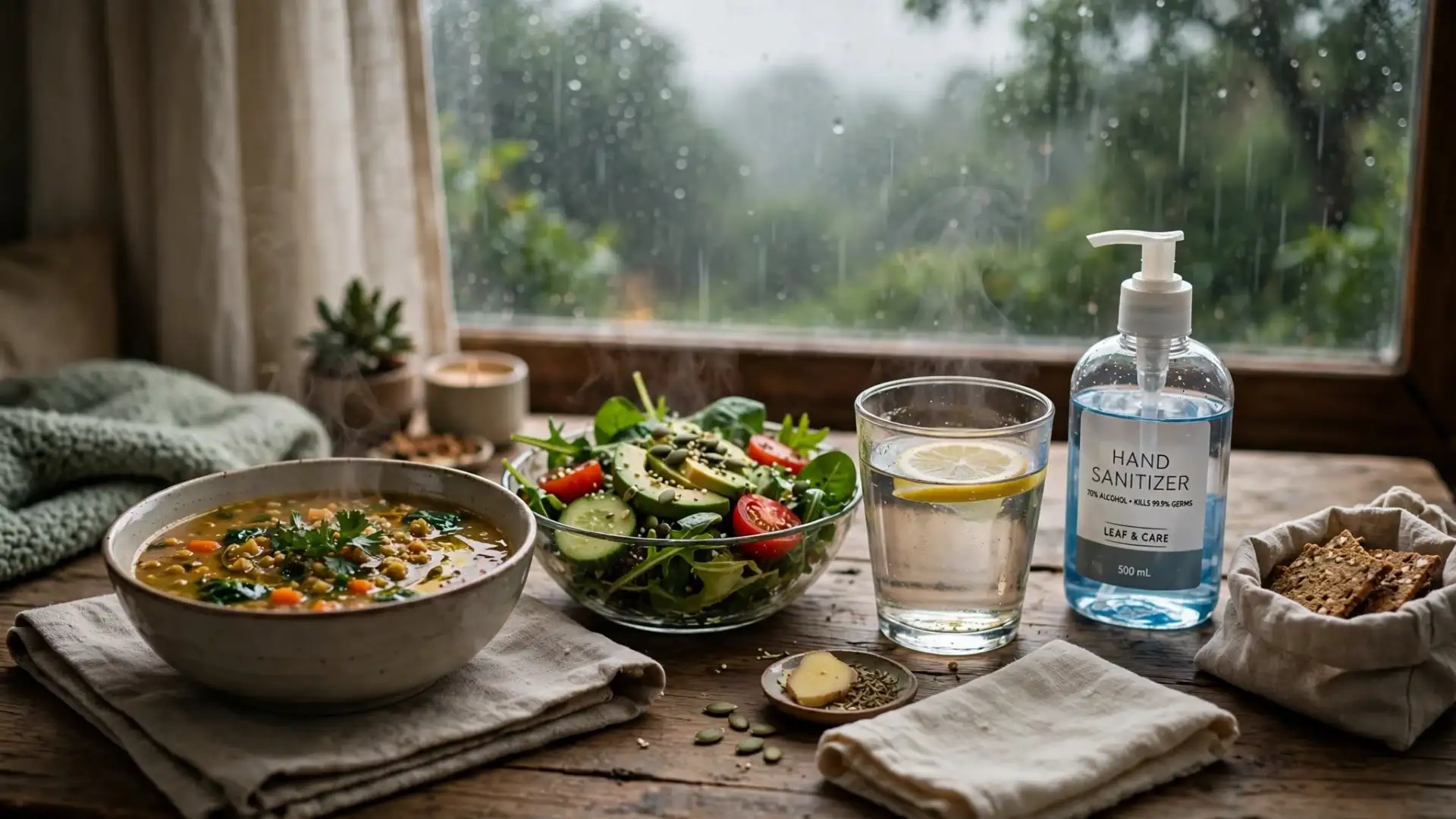
If soap and water are not available, an appropriate hand sanitiser may be useful. Avoid touching your eyes, nose and mouth with unwashed hands, as germs can spread through contact.
Experts often advise avoiding food that has been left uncovered for long periods, as poor storage conditions may increase the risk of contamination. Washing fruits and vegetables properly is also an important part of rainy season hygiene .
Good ventilation may also help improve indoor comfort, particularly when several people are sharing the same room.
Avoiding unnecessary physical exhaustion and giving the body enough time to rest may also support better recovery and resilience during the season.
If you develop persistent or severe symptoms, seek medical advice rather than relying only on home remedies. These monsoon health tips can help reduce everyday risks, but timely medical care remains important when an illness requires proper attention.
Image Courtesy: Meta AI
Wash Your Hands Regularly
One of the simplest ways to prevent viral infections during the rainy season is regular handwashing. Wash your hands with soap and water, especially before eating, after using the toilet and after returning home from public places.If soap and water are not available, an appropriate hand sanitiser may be useful. Avoid touching your eyes, nose and mouth with unwashed hands, as germs can spread through contact.
Keep Food And Drinking Water Safe
Food and water safety should be a priority during the monsoon. Drink clean, safe water and make sure food is properly cooked and stored.Experts often advise avoiding food that has been left uncovered for long periods, as poor storage conditions may increase the risk of contamination. Washing fruits and vegetables properly is also an important part of rainy season hygiene .
You may also like
- Why Guwahati airport has 1 lakh plants, the idea that turned it into a 'living forest'
- From sheep to sweater: This woman spent 4-months and Rs 70,000 in making a sweater from scratch - her experiment reveals the real cost of slow fashion
- Sundar Pichai shares 3 life filters that helped him get 'more moments right than wrong': 'When you have the choice to work on something hard, say yes'
- Treatment Options For Managing Food Poisoning During Pregnancy
- Quote of the day by Leonardo da Vinci: “It had long since come to my attention that people of accomplishment rarely sat back and let things happen to them. They went out and happened to things.
Maintain Clean Surroundings
Damp areas and stagnant water can create unhygienic conditions around the home. Keep frequently touched surfaces clean and ensure that water does not collect unnecessarily in and around your living space.Good ventilation may also help improve indoor comfort, particularly when several people are sharing the same room.
Support Your Body With Healthy Habits
Adequate sleep, regular meals and sufficient fluid intake can support overall wellbeing. According to experts, a balanced diet containing a variety of nutrient-rich foods helps the body function normally.Avoiding unnecessary physical exhaustion and giving the body enough time to rest may also support better recovery and resilience during the season.
Stay Away From Infection When Possible
If someone around you is visibly unwell, maintaining reasonable distance and following good respiratory hygiene can help prevent seasonal infections . Cover your mouth and nose while coughing or sneezing, preferably with a tissue or your elbow.If you develop persistent or severe symptoms, seek medical advice rather than relying only on home remedies. These monsoon health tips can help reduce everyday risks, but timely medical care remains important when an illness requires proper attention.
Image Courtesy: Meta AI






Loving Newspoint? Download the app now
