
How to Protect Your Phone, Wallet and Travel Documents in Crowded Places

Busy stations, markets, tourist streets and transport hubs can make it harder to keep track of belongings. A lost phone or wallet is inconvenient, but the stress grows when tickets, identity documents or payment cards are involved. A few habits can lower the risk without making a trip feel like a security exercise.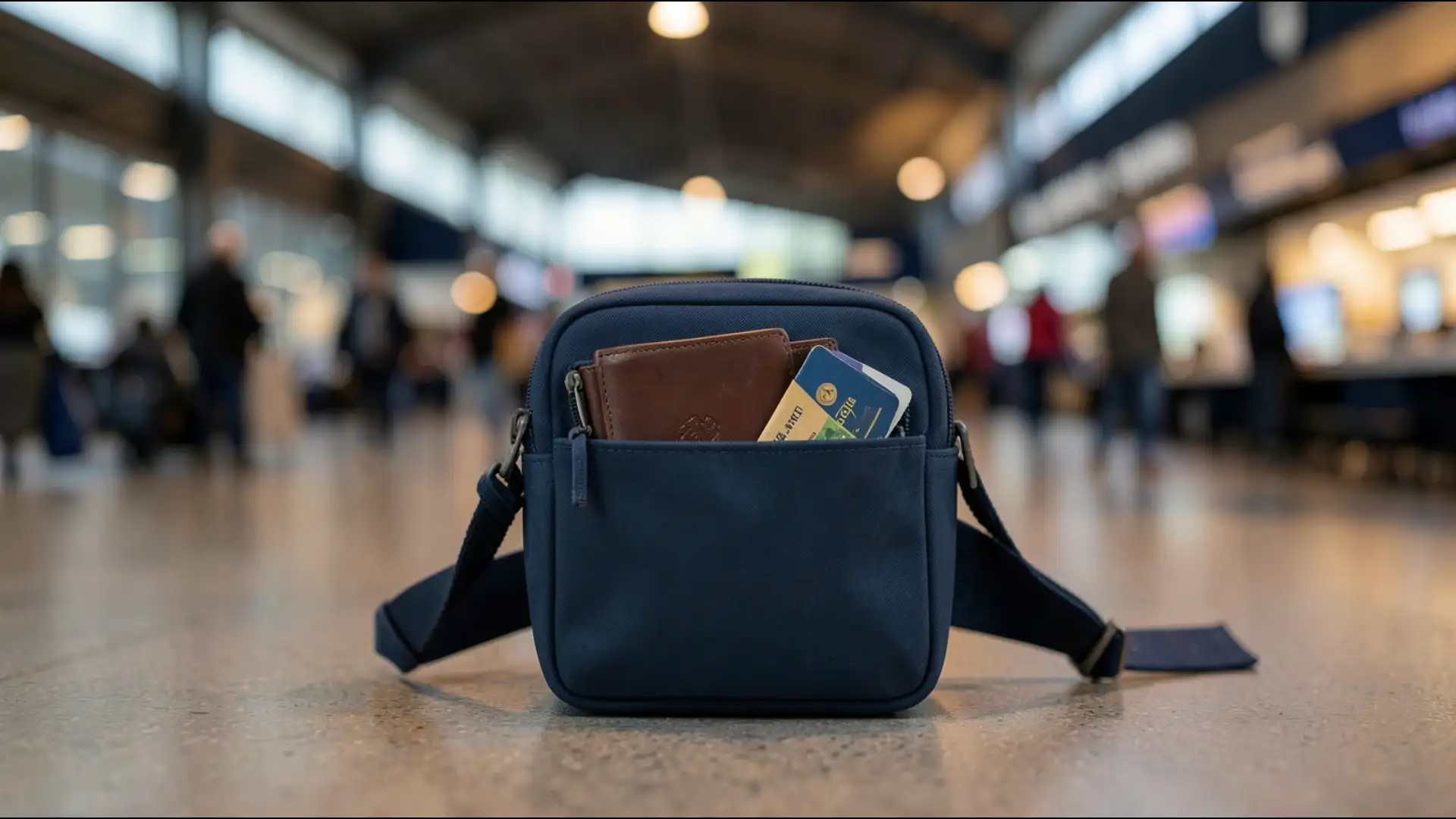
The aim is to keep essentials organised, reduce exposure and know what to do if something goes missing. No method guarantees complete protection, so stay aware of your surroundings rather than relying on one bag or hidden pocket. Simple routines are easier to maintain throughout a journey.
Use a bag that closes securely and keep it in front of you in dense crowds. Avoid placing a phone or wallet in an open outer pocket. If you use a backpack, move it to the front in tightly packed areas or keep a hand on it when boarding and leaving transport.
Be cautious if a stranger creates an unusual distraction or insists on helping with your bag. Keep bags close when queuing, and avoid displaying large amounts of cash.
Keep emergency contact details accessible separately from the items you carry every day. Before departure, check the official guidance for reporting lost travel documents and save relevant contact numbers. These steps cannot remove every risk, but they can limit disruption. The most useful travel safety routine is simple enough to repeat: secure the bag, check your surroundings and make a quick belongings check whenever you change location.
The aim is to keep essentials organised, reduce exposure and know what to do if something goes missing. No method guarantees complete protection, so stay aware of your surroundings rather than relying on one bag or hidden pocket. Simple routines are easier to maintain throughout a journey.
Carry less and separate essentials
Take only the cards and documents you genuinely need for the day. Keep a backup payment method separate from your main wallet, and store a digital copy of key travel information securely where you can access it if needed. A copy is not a replacement for an original identity document when officials require one, so check the rules for your route.Use a bag that closes securely and keep it in front of you in dense crowds. Avoid placing a phone or wallet in an open outer pocket. If you use a backpack, move it to the front in tightly packed areas or keep a hand on it when boarding and leaving transport.
Build small checks into the journey
Before leaving a café, taxi, train seat or hotel room, take a quick look at the places where you set down belongings. Use the same pocket or compartment for essentials so you are less likely to leave them behind. Keep your phone secured while checking directions, rather than holding it loosely near a busy road or platform edge.Be cautious if a stranger creates an unusual distraction or insists on helping with your bag. Keep bags close when queuing, and avoid displaying large amounts of cash.
If something goes missing
Act quickly. Use the device’s official location and lock features if a phone is lost, and contact your bank to freeze or block payment cards when necessary. Change passwords for important accounts if you believe someone may have accessed the device. Report stolen documents or belongings to the appropriate local authorities and follow the instructions of your insurer or transport provider.Keep emergency contact details accessible separately from the items you carry every day. Before departure, check the official guidance for reporting lost travel documents and save relevant contact numbers. These steps cannot remove every risk, but they can limit disruption. The most useful travel safety routine is simple enough to repeat: secure the bag, check your surroundings and make a quick belongings check whenever you change location.
Next Story