
Dehydration Warning Signs: When Your Body May Need More Fluids

Water helps the body regulate temperature, transport nutrients and maintain normal functions. Everyday activities such as walking in warm weather, exercising or spending long hours in a hot environment can increase fluid loss. Illnesses involving vomiting or diarrhoea can raise the risk further.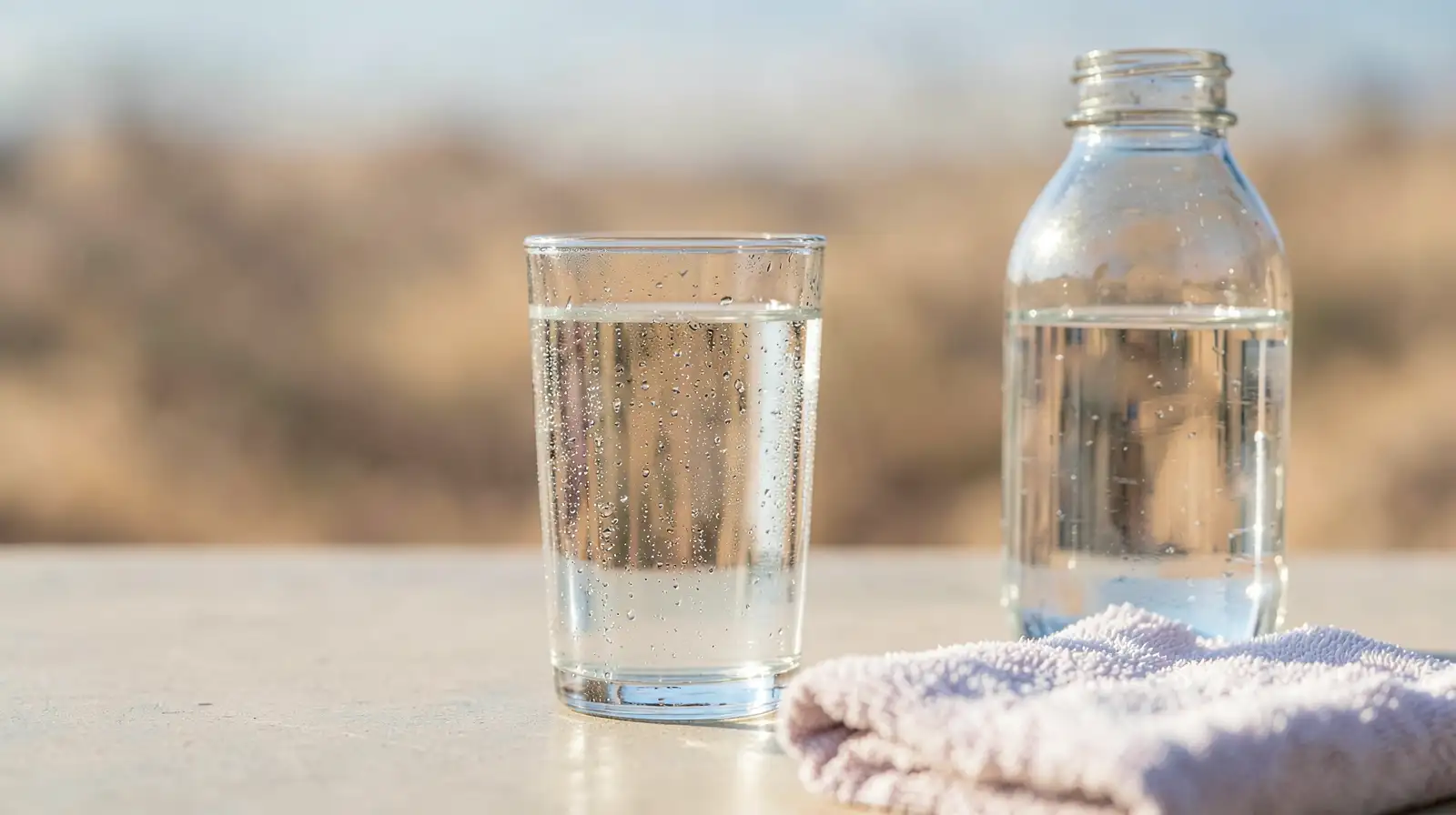
There is no single drinking schedule that suits everyone. Fluid needs depend on factors such as activity, climate, diet and health. Rather than relying on a fixed target alone, pay attention to thirst, your circumstances and possible signs of fluid loss . People with medical conditions that affect fluid balance should follow advice from their healthcare professional.
Older adults, young children and people who are unwell may be more vulnerable to dehydration. Some individuals may not recognise thirst promptly, making regular access to drinks especially important.
Severe dehydration can become dangerous. Confusion, fainting, marked weakness, very little urine or an inability to keep fluids down warrants urgent medical assessment. Seek immediate help if symptoms are severe or rapidly worsening.
Water is a useful everyday choice, while milk, soups and foods containing substantial water can also contribute to fluid intake. Fruits and vegetables such as watermelon, cucumber and oranges provide water alongside other nutrients.
Tea and coffee also contribute fluid, although individual tolerance and caffeine intake matter. Choose drinks that fit your needs rather than relying heavily on very sugary beverages.
People exercising for prolonged periods or working in intense heat may need additional attention to fluid and electrolyte replacement. Follow appropriate professional guidance, particularly if the activity is strenuous or prolonged.
Do not ignore persistent symptoms or assume that drinking water alone will resolve every problem. People with kidney, heart or other conditions that require fluid restrictions should follow their clinician's advice rather than increasing intake indiscriminately.
There is no single drinking schedule that suits everyone. Fluid needs depend on factors such as activity, climate, diet and health. Rather than relying on a fixed target alone, pay attention to thirst, your circumstances and possible signs of fluid loss . People with medical conditions that affect fluid balance should follow advice from their healthcare professional.
Recognise possible warning signs
Thirst, a dry mouth, darker urine and passing urine less often than usual can indicate that you need more fluid. Headache, tiredness or light-headedness may also occur, although these symptoms can have other causes.Older adults, young children and people who are unwell may be more vulnerable to dehydration. Some individuals may not recognise thirst promptly, making regular access to drinks especially important.
Severe dehydration can become dangerous. Confusion, fainting, marked weakness, very little urine or an inability to keep fluids down warrants urgent medical assessment. Seek immediate help if symptoms are severe or rapidly worsening.
You may also like
- Looking forward to global exposure, says model Anuradha Viswanathan after NY and London runway appearances
- Benefits of using hair masks in humid weather
- Fake Weight Loss Injections: The Dangerous Shortcut to a Slim Body That Everyone Should Know About
- Karwa Chauth 2026: Easy DIY Puja Thali Decoration Ideas Using Velvet Paper, Lace and Mirrors
- Jennifer Lopez's twin boys Max and Emme, are moving into college while mom shares a parenting tip on how children silently pick up 'your good traits': “What they see you do; if you work hard, they become more hard workers"
Make drinking easier during the day
Keep drinking water accessible at your desk, in your bag or near the place where you spend most of your time. Taking regular drinks can be easier than trying to compensate by consuming a large amount at once.Water is a useful everyday choice, while milk, soups and foods containing substantial water can also contribute to fluid intake. Fruits and vegetables such as watermelon, cucumber and oranges provide water alongside other nutrients.
Tea and coffee also contribute fluid, although individual tolerance and caffeine intake matter. Choose drinks that fit your needs rather than relying heavily on very sugary beverages.
Adjust for heat and activity
On hot days, plan outdoor tasks for cooler periods when possible. Drink before, during and after physical activity, adjusting to the conditions and the amount you sweat.People exercising for prolonged periods or working in intense heat may need additional attention to fluid and electrolyte replacement. Follow appropriate professional guidance, particularly if the activity is strenuous or prolonged.
Take extra care during illness
Vomiting and diarrhoea can cause rapid losses of both water and salts. An oral rehydration solution may be appropriate in these circumstances, particularly when recommended by a healthcare professional. Prepare it according to the packet instructions.Do not ignore persistent symptoms or assume that drinking water alone will resolve every problem. People with kidney, heart or other conditions that require fluid restrictions should follow their clinician's advice rather than increasing intake indiscriminately.






Loving Newspoint? Download the app now
