
How to Recognise Signs of Stress in Pet Birds Before They Become Serious

Pet birds can be playful, vocal and full of personality, but changes in their behaviour may indicate that something is wrong. A normally active parakeet that becomes unusually quiet, a cockatiel that starts biting more frequently, or a parrot that repeatedly damages its feathers may be experiencing stress. Recognising these changes early can help owners identify possible problems with their bird's environment, routine or health. However, stress symptoms can resemble signs of illness, so it is important to observe the bird carefully rather than assume every behavioural change is psychological. Understanding its normal habits is the first step towards better care.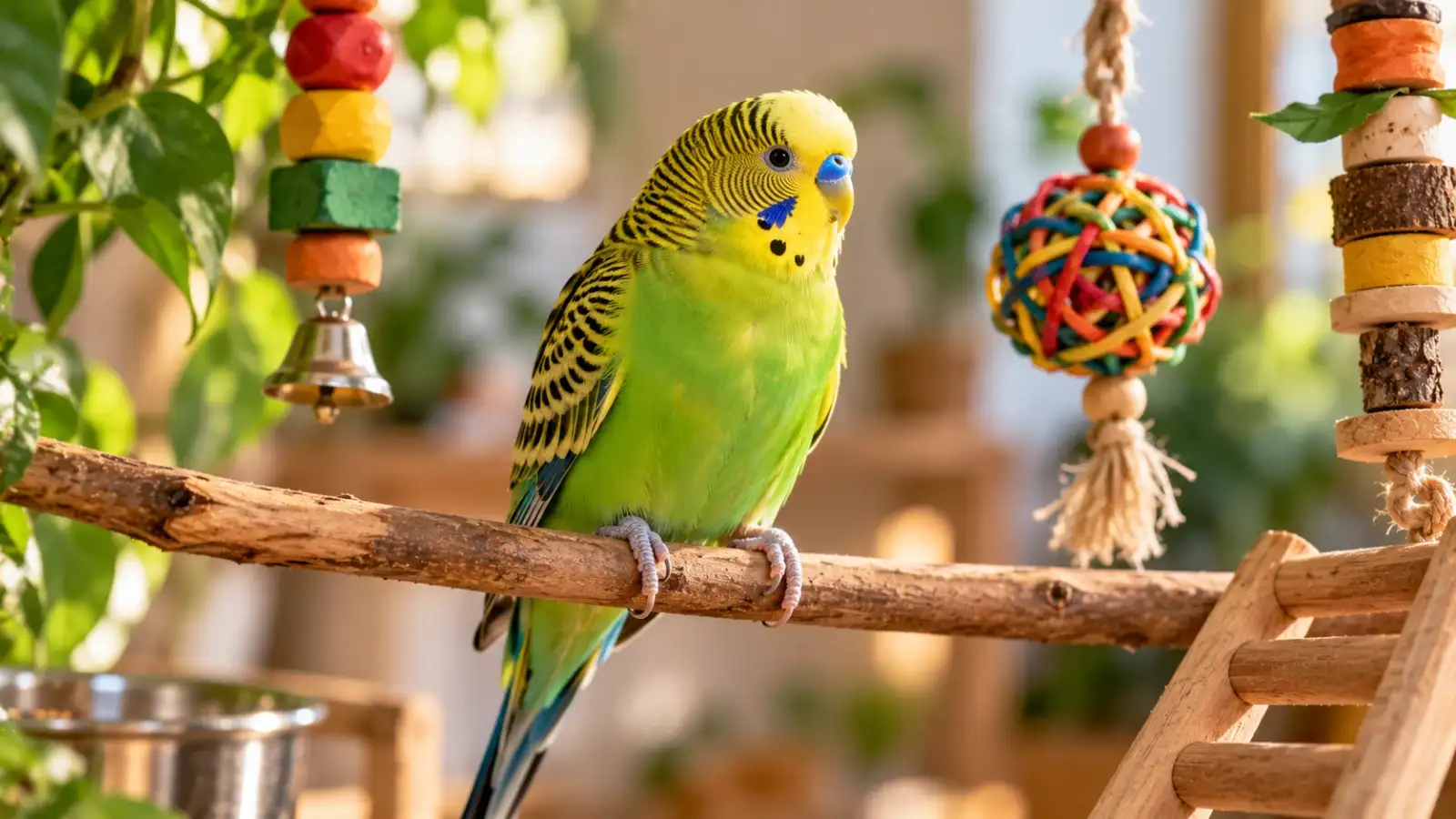
A sudden increase in screaming, repetitive alarm calls or unusually frequent vocalisation may indicate fear, frustration, boredom or discomfort. A bird might react this way to unfamiliar visitors, loud household noises, a new pet or changes in its surroundings.
The opposite can also be concerning. A normally vocal bird that becomes unusually quiet or stops interacting with its owner may be experiencing stress or an underlying health problem.
Pay attention to changes from your bird's usual behaviour rather than judging it by how noisy another bird might be.
Stress, boredom, insufficient stimulation and social difficulties may contribute to feather-damaging behaviour. A lack of suitable toys, limited opportunities to forage and disrupted sleep can also affect a bird's wellbeing.
However, feather loss should never automatically be blamed on stress. Skin irritation, parasites, infections, nutritional deficiencies and other medical conditions can produce similar symptoms.
If you notice bald patches, damaged feathers, bleeding or repeated feather plucking, arrange an examination with an avian veterinarian . Early assessment can help identify the cause before the damage becomes more severe.
Some birds become defensive when people approach their personal space, attempt to handle them or introduce unfamiliar objects. Others may react to changes in their routine or surroundings.
Avoid forcing physical contact when a bird shows signs of fear. Give it room to move away and allow it to approach you voluntarily. Calm interaction and positive reinforcement can help build trust over time.
Remember that sudden aggression may also result from pain, hormonal changes or illness. If the behaviour is new or unusually intense, consult an avian veterinarian before treating it as a training problem.
Environmental changes can sometimes contribute to this behaviour. Moving the cage, introducing another animal or repeatedly disturbing the bird during feeding may make it uncomfortable.
However, a reduced appetite can also be an early sign of illness. Birds have relatively high metabolic demands, and they can deteriorate quickly when they stop eating.
Monitor how much food your bird actually consumes rather than simply checking whether the bowl is full. If its appetite drops noticeably, seek prompt veterinary advice instead of waiting several days to see whether the problem resolves.
These behaviours may be associated with boredom, frustration, fear or inadequate environmental stimulation. A bird kept in a monotonous setting without enough opportunities to explore, forage or interact may struggle to express its natural behaviours.
Not every repeated movement indicates stress, however. Some movements are normal for particular species, while others may have medical causes.
Observe when the behaviour occurs, how frequently it happens and whether anything appears to trigger it. A short video can help an avian veterinarian assess unusual movements.
Concern increases when a bird remains fluffed up for long periods, appears hunched, closes its eyes frequently or becomes less responsive than usual.
Drooping wings, reluctance to perch and spending extended periods at the bottom of the cage can also indicate a serious problem.
These signs may be associated with illness, weakness, cold or pain rather than stress alone. If they appear alongside reduced appetite or inactivity, contact an avian veterinarian promptly.
Possible triggers include unfamiliar visitors, sudden movements, loud sounds, an exposed cage location or unwanted handling. A bird that has recently moved to a new home may also need time to become comfortable with its surroundings.
Provide a quiet retreat and avoid reaching into the cage unnecessarily. Let the bird observe people from a comfortable distance and reward calm, voluntary interactions.
Do not force the bird to come out of hiding. Giving it control over when to approach can help it feel more secure.
A bird that becomes restless at night, startles frequently or appears unusually tired during the day may not be getting adequate sleep. Insufficient rest can contribute to irritability and other behavioural changes.
Try to maintain a predictable day-night routine suited to the bird's species. Its sleeping area should be calm, safe and appropriately dark without compromising ventilation.
Excessive sleeping or a sudden drop in activity can also indicate illness. If these changes persist or occur with other symptoms, seek veterinary advice.
Open-mouth breathing, pronounced tail movement with every breath, wheezing or persistent panting can indicate respiratory distress or another medical problem.
If your bird is struggling to breathe, minimise handling, keep the surroundings calm and seek emergency veterinary care. Do not wait to see whether it settles down.
Respiratory signs require particular caution because birds can hide illness until they become seriously unwell.
Look for persistent changes in colour, consistency, quantity or frequency. Also notice whether the feathers around the vent become unusually dirty or whether the bird begins grooming excessively.
A single variation may occur because of diet or fluid intake, but repeated or pronounced changes deserve attention.
Keep the cage clean enough to monitor droppings and record any unusual patterns. If changes occur alongside weakness, vomiting, appetite loss or abnormal posture, contact an avian veterinarian promptly.
Offer bird-safe toys and opportunities to forage for food. Allow voluntary interaction rather than forcing the bird to step onto your hand or accept touching. Ensure it has enough space to move and a quiet place to rest.
Avoid shouting at, punishing or startling the bird for behaviours such as screaming or biting. These reactions can increase fear without addressing the underlying cause.
Most importantly, arrange veterinary assessment for persistent behavioural changes, feather damage or changes in eating habits. Seek urgent care for breathing difficulties, severe weakness, bleeding, collapse or other alarming symptoms. Birds can conceal illness, so early professional advice matters.
However, these signs are not proof of stress. Illness and pain can produce similar changes, and some symptoms require immediate veterinary care.
A calm environment, predictable routines, suitable enrichment and respectful handling can support a bird's wellbeing. Observing your pet closely and responding to changes early will help you make better decisions about its care.
1. Unusual Screaming or Changes in Vocalisation
Birds naturally communicate through chirping, calling, singing and other sounds. The amount of noise they make varies according to their species, personality and daily routine.A sudden increase in screaming, repetitive alarm calls or unusually frequent vocalisation may indicate fear, frustration, boredom or discomfort. A bird might react this way to unfamiliar visitors, loud household noises, a new pet or changes in its surroundings.
The opposite can also be concerning. A normally vocal bird that becomes unusually quiet or stops interacting with its owner may be experiencing stress or an underlying health problem.
Pay attention to changes from your bird's usual behaviour rather than judging it by how noisy another bird might be.
2. Feather Plucking and Excessive Preening
Preening is a normal behaviour through which birds clean and maintain their feathers. However, repeated feather chewing, pulling or plucking can signal a problem.Stress, boredom, insufficient stimulation and social difficulties may contribute to feather-damaging behaviour. A lack of suitable toys, limited opportunities to forage and disrupted sleep can also affect a bird's wellbeing.
However, feather loss should never automatically be blamed on stress. Skin irritation, parasites, infections, nutritional deficiencies and other medical conditions can produce similar symptoms.
If you notice bald patches, damaged feathers, bleeding or repeated feather plucking, arrange an examination with an avian veterinarian . Early assessment can help identify the cause before the damage becomes more severe.
3. Sudden Aggression or Frequent Biting
A bird that suddenly begins biting, lunging or aggressively defending its cage may be feeling frightened, threatened or uncomfortable.Some birds become defensive when people approach their personal space, attempt to handle them or introduce unfamiliar objects. Others may react to changes in their routine or surroundings.
Avoid forcing physical contact when a bird shows signs of fear. Give it room to move away and allow it to approach you voluntarily. Calm interaction and positive reinforcement can help build trust over time.
Remember that sudden aggression may also result from pain, hormonal changes or illness. If the behaviour is new or unusually intense, consult an avian veterinarian before treating it as a training problem.
4. Loss of Appetite or Changes in Eating Habits
Changes in eating behaviour deserve close attention. A stressed bird may eat less, become reluctant to approach its food bowl or show reduced interest in activities it previously enjoyed.Environmental changes can sometimes contribute to this behaviour. Moving the cage, introducing another animal or repeatedly disturbing the bird during feeding may make it uncomfortable.
However, a reduced appetite can also be an early sign of illness. Birds have relatively high metabolic demands, and they can deteriorate quickly when they stop eating.
Monitor how much food your bird actually consumes rather than simply checking whether the bowl is full. If its appetite drops noticeably, seek prompt veterinary advice instead of waiting several days to see whether the problem resolves.
5. Repetitive Movements and Restlessness
Some stressed birds develop repetitive behaviours, such as pacing along a perch, repeatedly moving their heads or making the same movement over and over without an obvious purpose.These behaviours may be associated with boredom, frustration, fear or inadequate environmental stimulation. A bird kept in a monotonous setting without enough opportunities to explore, forage or interact may struggle to express its natural behaviours.
Not every repeated movement indicates stress, however. Some movements are normal for particular species, while others may have medical causes.
Observe when the behaviour occurs, how frequently it happens and whether anything appears to trigger it. A short video can help an avian veterinarian assess unusual movements.
6. Fluffed-Up Feathers and Unusual Posture
Birds sometimes fluff their feathers briefly while resting, grooming or adjusting their body temperature. This behaviour alone is not necessarily a sign of stress.Concern increases when a bird remains fluffed up for long periods, appears hunched, closes its eyes frequently or becomes less responsive than usual.
Drooping wings, reluctance to perch and spending extended periods at the bottom of the cage can also indicate a serious problem.
These signs may be associated with illness, weakness, cold or pain rather than stress alone. If they appear alongside reduced appetite or inactivity, contact an avian veterinarian promptly.
7. Avoiding People or Hiding More Often
A bird that repeatedly retreats from people, moves away when approached or hides in a corner may be feeling threatened.Possible triggers include unfamiliar visitors, sudden movements, loud sounds, an exposed cage location or unwanted handling. A bird that has recently moved to a new home may also need time to become comfortable with its surroundings.
Provide a quiet retreat and avoid reaching into the cage unnecessarily. Let the bird observe people from a comfortable distance and reward calm, voluntary interactions.
Do not force the bird to come out of hiding. Giving it control over when to approach can help it feel more secure.
8. Changes in Sleep and Daily Activity
Most pet birds need a consistent period of quiet, uninterrupted sleep. Disruptions caused by late-night television, bright lights, household activity or an irregular routine can affect their rest.A bird that becomes restless at night, startles frequently or appears unusually tired during the day may not be getting adequate sleep. Insufficient rest can contribute to irritability and other behavioural changes.
Try to maintain a predictable day-night routine suited to the bird's species. Its sleeping area should be calm, safe and appropriately dark without compromising ventilation.
Excessive sleeping or a sudden drop in activity can also indicate illness. If these changes persist or occur with other symptoms, seek veterinary advice.
9. Tail Bobbing, Panting or Rapid Breathing
Rapid breathing can occur briefly after vigorous activity or an intense fright. However, breathing difficulties are not signs to dismiss as ordinary stress.Open-mouth breathing, pronounced tail movement with every breath, wheezing or persistent panting can indicate respiratory distress or another medical problem.
If your bird is struggling to breathe, minimise handling, keep the surroundings calm and seek emergency veterinary care. Do not wait to see whether it settles down.
Respiratory signs require particular caution because birds can hide illness until they become seriously unwell.
10. Changes in Droppings or Grooming Habits
Stress and changes in routine may affect a bird's behaviour around feeding and elimination, but altered droppings can also be a sign of illness.Look for persistent changes in colour, consistency, quantity or frequency. Also notice whether the feathers around the vent become unusually dirty or whether the bird begins grooming excessively.
A single variation may occur because of diet or fluid intake, but repeated or pronounced changes deserve attention.
Keep the cage clean enough to monitor droppings and record any unusual patterns. If changes occur alongside weakness, vomiting, appetite loss or abnormal posture, contact an avian veterinarian promptly.
What Can Cause Stress in Pet Birds?
Several everyday circumstances may affect a bird's sense of security and wellbeing:- Loud noises, sudden movements or frequent disturbances.
- Moving the cage or changing the bird's surroundings.
- Lack of toys, foraging opportunities or suitable social interaction.
- Insufficient sleep or an inconsistent daily routine.
- Unwanted handling or repeated attempts to touch the bird.
- Conflict with another bird or fear of other household pets.
- Inadequate nutrition, discomfort or an underlying health problem.
How Can You Help a Stressed Pet Bird?
Start by identifying recent changes in the bird's environment or routine. Keep its food, water and cage clean, provide suitable enrichment and establish a predictable daily schedule.You may also like
- Turn ₹2,000 into ₹2 crore—how can the dream of becoming a millionaire (crorepati) be realized? Check the calculation..
- SIP Calculation: When will a fund of ₹1 crore be accumulated through a monthly SIP of ₹9,999?
- “We'll talk about your feelings when you are...”: Kunal Kemmu on his old-school parenting style; why parents need to make some decisions for children
- Psychology says parents who read bedtime stories every night may be building more than a love of books, language skills and healthy routines
- This is what you did not know about the Jaggery capital of India
Offer bird-safe toys and opportunities to forage for food. Allow voluntary interaction rather than forcing the bird to step onto your hand or accept touching. Ensure it has enough space to move and a quiet place to rest.
Avoid shouting at, punishing or startling the bird for behaviours such as screaming or biting. These reactions can increase fear without addressing the underlying cause.
Most importantly, arrange veterinary assessment for persistent behavioural changes, feather damage or changes in eating habits. Seek urgent care for breathing difficulties, severe weakness, bleeding, collapse or other alarming symptoms. Birds can conceal illness, so early professional advice matters.
How to Recognise Stress in Pet Birds Early
Recognising stress in pet birds begins with noticing changes from their normal behaviour. Unusual screaming, biting, feather plucking, hiding, restlessness and changes in eating or sleeping patterns may all signal that something needs attention.However, these signs are not proof of stress. Illness and pain can produce similar changes, and some symptoms require immediate veterinary care.
A calm environment, predictable routines, suitable enrichment and respectful handling can support a bird's wellbeing. Observing your pet closely and responding to changes early will help you make better decisions about its care.






Loving Newspoint? Download the app now
