
How to Reduce Food Waste at Home Without Changing Your Entire Routine

Food waste often starts with good intentions: buying extra vegetables for healthy meals, stocking up during a sale or cooking more than everyone can eat. When plans change, ingredients get forgotten at the back of the refrigerator and leftovers may be thrown away. Small adjustments can help households use more of what they buy.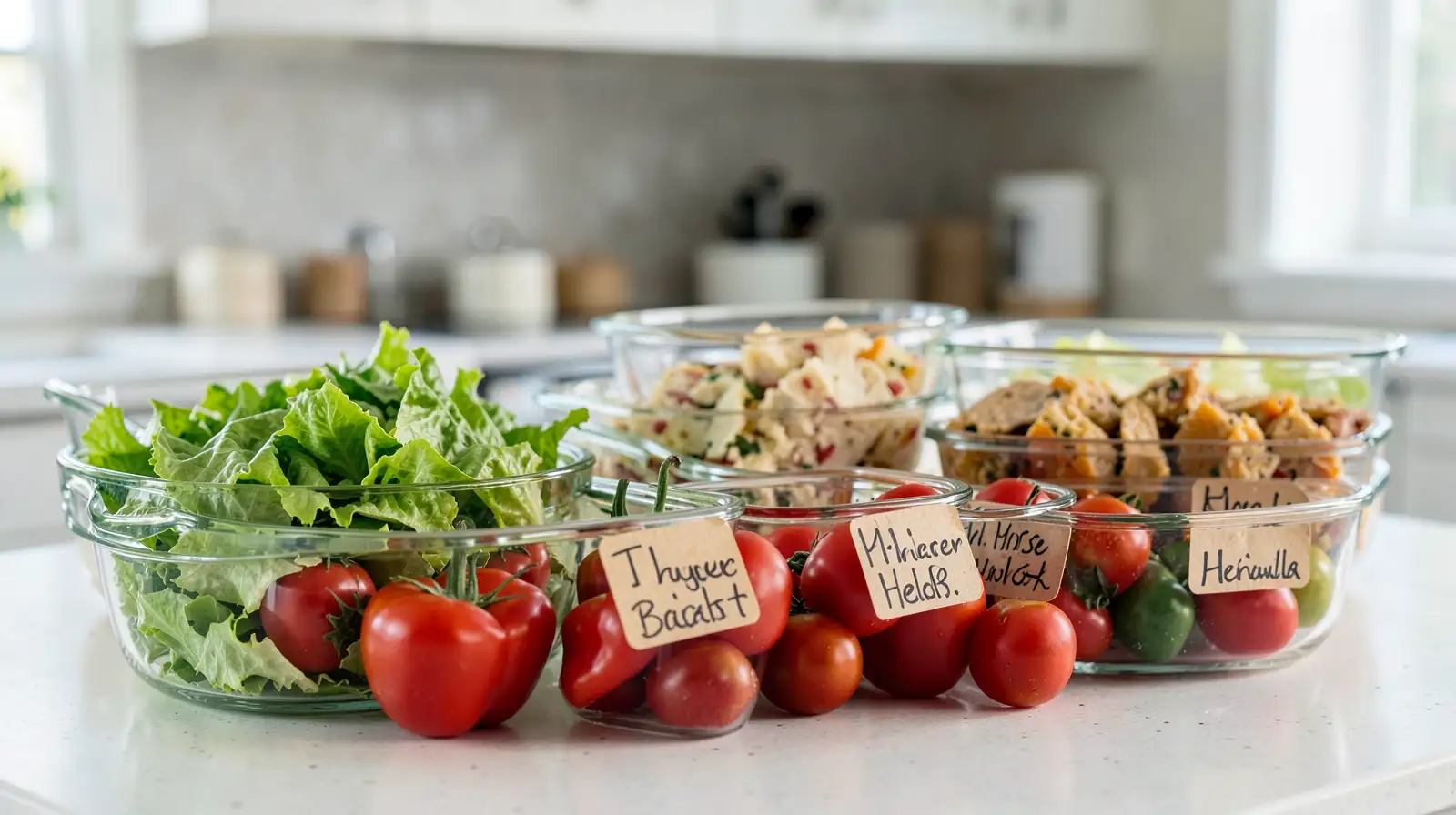
The aim is not to save every scrap regardless of quality or safety. Instead, plan realistic meals, store food appropriately and make decisions before ingredients deteriorate. A few repeatable habits can reduce waste without turning cooking into a complicated exercise.
Plan for the number of meals you are likely to cook, allowing some flexibility for unexpected changes. Buying a large quantity only makes sense if you can store and use it in time. Special offers are not genuine savings when part of the purchase ends up in the bin.
Wash and dry produce according to how you plan to store it; some vegetables keep better when left unwashed until use. Transfer leftovers into clean, covered containers and refrigerate them promptly. Label containers with the date so you can identify older food easily.
Reheat leftovers thoroughly and follow food-safety guidance for storage times. Do not rely on smell alone to determine whether food is safe, because harmful contamination may not always be obvious. If food has been stored improperly or you are uncertain about its safety, discard it.
Some foods change texture after thawing, so consider how you intend to use them. Frozen vegetables can be convenient for cooked dishes, while some fresh produce may become too soft for salads. Defrost food safely according to relevant guidance and avoid refreezing items unless the applicable food-safety advice allows it.
A small kitchen list of ingredients that need using can make planning easier. The most effective approach is practical, not perfect: buy what you can use, store it carefully and make leftovers part of the meal plan.
The aim is not to save every scrap regardless of quality or safety. Instead, plan realistic meals, store food appropriately and make decisions before ingredients deteriorate. A few repeatable habits can reduce waste without turning cooking into a complicated exercise.
Shop with a clear plan
Before shopping, check the refrigerator, freezer and cupboards. Note which ingredients need using soon and build a few meals around them. A list helps prevent duplicate purchases, particularly for items that are easy to forget you already have.Plan for the number of meals you are likely to cook, allowing some flexibility for unexpected changes. Buying a large quantity only makes sense if you can store and use it in time. Special offers are not genuine savings when part of the purchase ends up in the bin.
Store ingredients appropriately
Different foods need different storage conditions. Follow packaging guidance and keep the refrigerator at a suitable temperature. Place foods that need using soon where they are visible, but avoid overcrowding shelves so air can circulate. Keep raw foods separate from ready-to-eat items to reduce the risk of contamination.You may also like
- Dietitian Reveals Which Kishmish Is Healthier and Exactly How Much to Eat Daily
- Eat Soaked Figs Daily: Flush Gut Toxins, Relieve Chronic Constipation
- Safe Natural Remedies to Clear Stubborn Earwax Without Damaging Your Eardrums
- Nirjala Vrat: Why do dizziness, headaches, and weakness occur during the Karva Chauth fast? Find out..
- Understanding Children's Sharing Habits: A Guide for Parents
Wash and dry produce according to how you plan to store it; some vegetables keep better when left unwashed until use. Transfer leftovers into clean, covered containers and refrigerate them promptly. Label containers with the date so you can identify older food easily.
Give leftovers a clear purpose
Instead of putting leftovers away with no plan, decide how they will be used. Cooked vegetables may work in a soup, rice can become part of another meal if cooled and stored safely, and suitable fruit can be added to porridge or yoghurt.Reheat leftovers thoroughly and follow food-safety guidance for storage times. Do not rely on smell alone to determine whether food is safe, because harmful contamination may not always be obvious. If food has been stored improperly or you are uncertain about its safety, discard it.
Use the freezer thoughtfully
Freezing can help preserve suitable foods when you cannot use them in time. Divide larger portions into meal-sized containers, label them and note the date. Leave appropriate space for expansion, and use packaging designed for freezer storage.Some foods change texture after thawing, so consider how you intend to use them. Frozen vegetables can be convenient for cooked dishes, while some fresh produce may become too soft for salads. Defrost food safely according to relevant guidance and avoid refreezing items unless the applicable food-safety advice allows it.
Make waste reduction a habit
At the end of each week, notice what was thrown away and why. If salad leaves repeatedly spoil, buy a smaller quantity or plan to use them earlier. If cooked meals are often left uneaten, adjust portion sizes.A small kitchen list of ingredients that need using can make planning easier. The most effective approach is practical, not perfect: buy what you can use, store it carefully and make leftovers part of the meal plan.






Loving Newspoint? Download the app now
