
How To Remove Hard-Water Marks From Shower Glass Without Scratching The Surface

Shower glass can develop cloudy marks when mineral deposits from hard water remain on the surface after droplets evaporate. Soap residue may add another layer, making the screen look dull even after a quick rinse.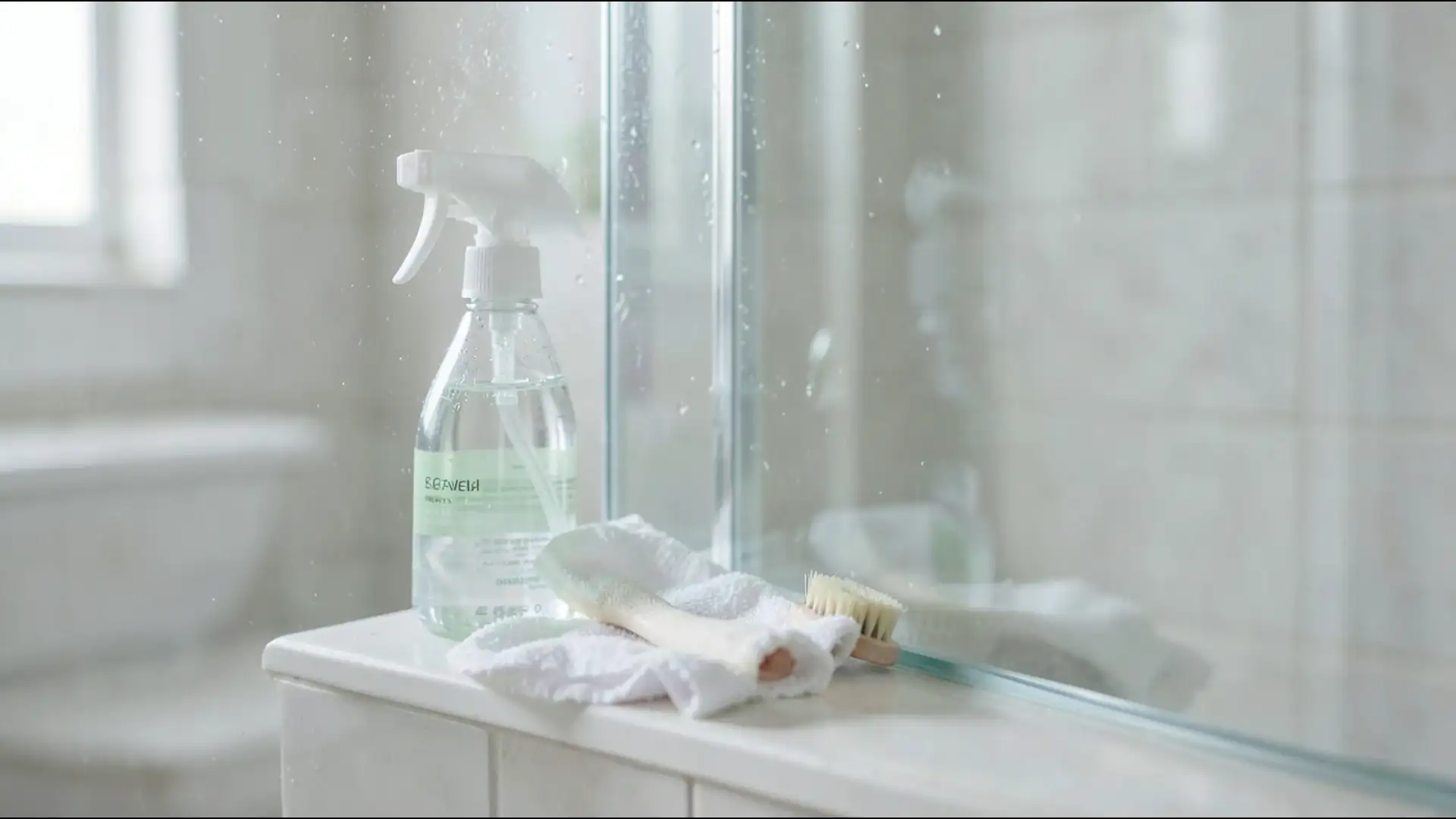
A regular cleaning routine can reduce build-up, but the method should suit the glass, surrounding fittings and any protective coating. Abrasive pads or unsuitable chemicals may scratch or damage surfaces.
Understanding the difference between ordinary grime and mineral residue helps choose a more effective approach. With gentle cleaning, careful drying and sensible ventilation, shower screens can remain clearer between deeper cleans with less effort overall.
Ventilation helps reduce lingering humidity and condensation.
Before using an acidic cleaner, check the shower manufacturer's care instructions and test a small, inconspicuous area. Keep it away from natural stone, cement-based surfaces and metal finishes that may be sensitive to acid. Never combine vinegar with bleach or other cleaning chemicals.
Use a soft sponge or microfibre cloth and rinse away cleaner completely. If the glass has a protective coating, use only products approved for that finish. Repeated aggressive cleaning may damage a coating designed to make water run off more easily.
Inspect seals for cracks, loose sections or persistent discolouration. If water leaks beyond the enclosure, cleaning alone will not fix the problem; the seal or installation may need attention.
Bathroom glass care is easier than tackling heavy build-up. Use a shower squeegee after bathing, ventilate the room and choose gentle products suited to the screen and surrounding materials.
A regular cleaning routine can reduce build-up, but the method should suit the glass, surrounding fittings and any protective coating. Abrasive pads or unsuitable chemicals may scratch or damage surfaces.
Understanding the difference between ordinary grime and mineral residue helps choose a more effective approach. With gentle cleaning, careful drying and sensible ventilation, shower screens can remain clearer between deeper cleans with less effort overall.
Start with routine prevention
After each shower, use a squeegee to remove water from the glass, working from top to bottom. Wipe the edges and lower track with a soft cloth, where moisture and soap residue can collect. Leaving the door slightly open after bathing may help the enclosure dry.Ventilation helps reduce lingering humidity and condensation.
You may also like
- It's always the little things that hold our lives—and minds—together. That's why people are rediscovering the joy of daily rituals.
- Can we Reduce the Fear and Pain of Death?
- How To Clean Curtains: No more hassle of removing curtains; clean them like mirrors without removing them.
- Coriander Chutney Storage: How many days does coriander chutney last, and how long does it stay fresh?
- Stomach Burning at Night: A burning sensation in the stomach increases as the night progresses; these could be the reasons.
Remove mineral deposits gently
For light marks, begin with warm water and a small amount of mild washing-up liquid. Apply it with a non-abrasive cloth, rinse thoroughly and dry the glass. If cloudy deposits remain, a diluted white vinegar solution may help dissolve mineral residue on suitable glass.Before using an acidic cleaner, check the shower manufacturer's care instructions and test a small, inconspicuous area. Keep it away from natural stone, cement-based surfaces and metal finishes that may be sensitive to acid. Never combine vinegar with bleach or other cleaning chemicals.
Deal with soap residue
Soap scum can form when soap ingredients interact with minerals in water. A suitable bathroom cleaner may help, but choose one labelled for shower glass and follow its directions. Avoid abrasive powders, steel wool and rough scouring pads, which can scratch the surface.Use a soft sponge or microfibre cloth and rinse away cleaner completely. If the glass has a protective coating, use only products approved for that finish. Repeated aggressive cleaning may damage a coating designed to make water run off more easily.
Keep tracks and seals clean
Sliding-door tracks can collect water, hair and residue. Use a soft brush to loosen dirt from corners, then wipe with a damp cloth. Check drain openings and remove visible debris without forcing sharp objects into the channel.Inspect seals for cracks, loose sections or persistent discolouration. If water leaks beyond the enclosure, cleaning alone will not fix the problem; the seal or installation may need attention.
Bathroom glass care is easier than tackling heavy build-up. Use a shower squeegee after bathing, ventilate the room and choose gentle products suited to the screen and surrounding materials.






Loving Newspoint? Download the app now
