
How to Remove Pesticides from Vegetables: Easy and Effective Cleaning Tips for Safer Meals

If you are wondering how to remove pesticides from vegetables , you are not alone. While vegetables are essential for a balanced and healthy diet, they may carry pesticide residues on their surface. Proper cleaning techniques can significantly reduce these residues, making your meals safer without affecting taste or nutrition. Here’s a practical guide to cleaning vegetables the right way.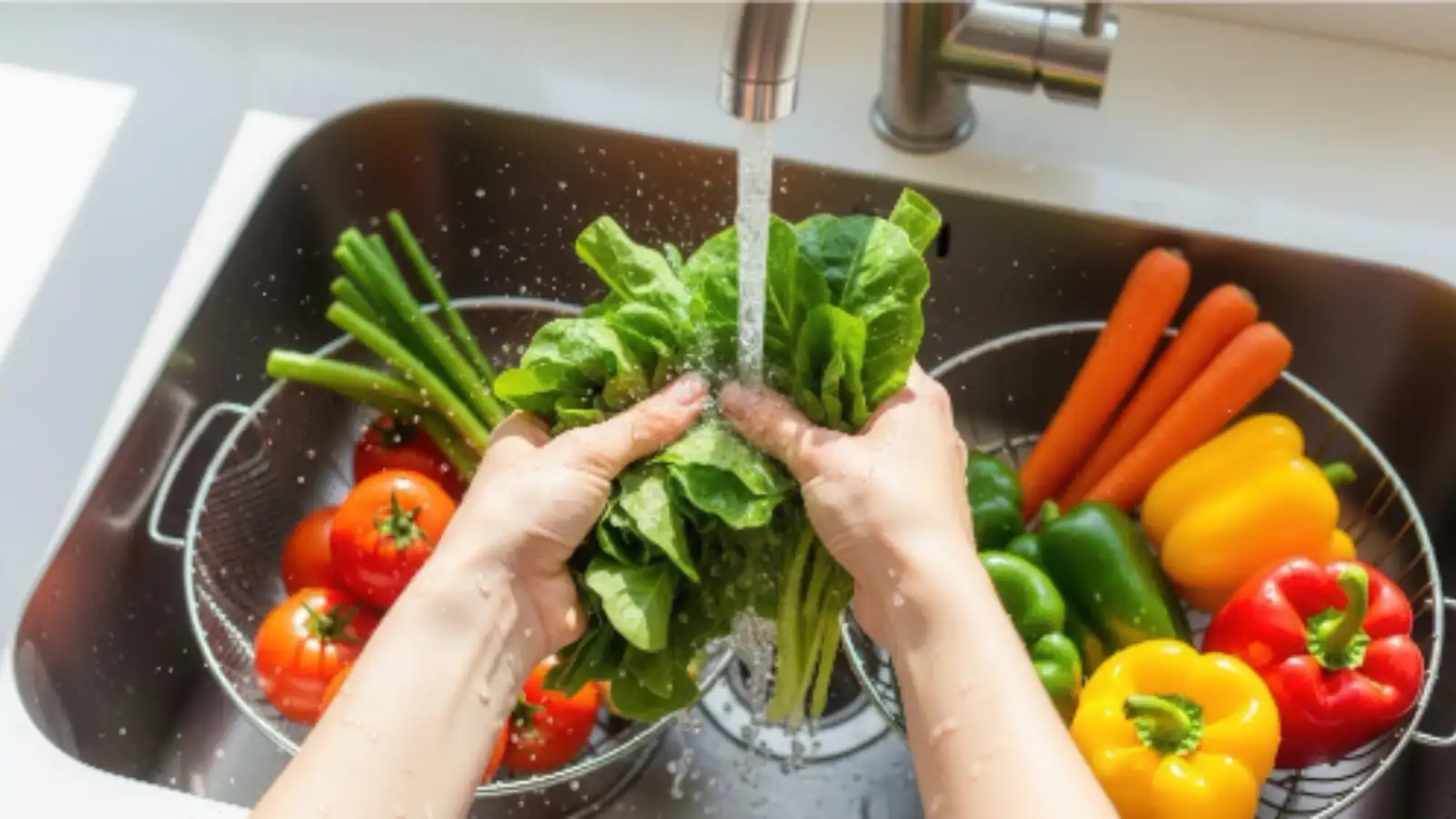
Why It Is Important to Remove Pesticides
Pesticides are commonly used in farming to protect crops from insects and diseases. However, traces can remain even after harvesting. Washing vegetables properly helps lower chemical exposure and improves overall food safety at home.
Soaking in Salt Water
Salt water is one of the easiest and most accessible cleaning methods. Mix 1–2 teaspoons of salt in a large bowl of water and soak the vegetables for 10–15 minutes. Salt helps loosen pesticide residues from the surface. After soaking, rinse thoroughly with clean water before cooking or storing.
Using Baking Soda Solution
Baking soda works as a mild alkaline agent that helps break down many pesticide residues. Dissolve one teaspoon of baking soda in a bowl of water and soak the vegetables for about 10–15 minutes. Rinse well under running water to remove any remaining solution.
Rinsing Under Running Water
This is the simplest and most essential step. Hold the vegetables under running water for at least 20–30 seconds while gently rubbing them with your hands. The flow of water helps remove dirt, dust and some surface pesticides. This method is especially effective for everyday quick cleaning.
Peeling or Scrubbing Firm Vegetables
For thick-skinned vegetables such as carrots, cucumbers and potatoes, peeling can help remove the outer layer where residues often accumulate. You can also gently scrub the surface using a vegetable brush to reduce pesticide presence without losing too many nutrients.
Blanching or Boiling
Heat can help reduce certain pesticide residues. Briefly blanch or boil vegetables for 2–5 minutes before cooking. This method works particularly well for leafy greens and softer vegetables. Drain and cool them immediately after boiling.
Vinegar Soak
A vinegar solution is another effective cleaning option.
The acidity of vinegar helps break down surface residues and bacteria.
Lemon Water Wash
Lemon is a natural cleansing agent. Add a few lemon slices or 2–3 tablespoons of lemon juice to a bowl of water and soak the vegetables for 5–10 minutes. Rinse well afterwards. This method not only reduces residues but also leaves vegetables smelling fresh.
Cleaning Leafy Greens Properly
Leafy vegetables like spinach and lettuce require extra care. Remove and discard the outer leaves, as pesticides often settle there. Soak the remaining leaves in water, then rinse thoroughly before use.
Using Commercial Vegetable Wash
Commercial fruit and vegetable washes are specially designed to remove pesticide residues, dirt and wax coatings. Follow the instructions on the label carefully and rinse properly after use.
Understanding how to remove pesticides from vegetables can make a significant difference in your daily diet. Simple methods like rinsing, soaking and peeling can greatly reduce chemical residues. With a little extra care in the kitchen, you can enjoy cleaner, safer and healthier meals every day.
Why It Is Important to Remove Pesticides
Pesticides are commonly used in farming to protect crops from insects and diseases. However, traces can remain even after harvesting. Washing vegetables properly helps lower chemical exposure and improves overall food safety at home.
Soaking in Salt Water
Salt water is one of the easiest and most accessible cleaning methods. Mix 1–2 teaspoons of salt in a large bowl of water and soak the vegetables for 10–15 minutes. Salt helps loosen pesticide residues from the surface. After soaking, rinse thoroughly with clean water before cooking or storing.
Using Baking Soda Solution
Baking soda works as a mild alkaline agent that helps break down many pesticide residues. Dissolve one teaspoon of baking soda in a bowl of water and soak the vegetables for about 10–15 minutes. Rinse well under running water to remove any remaining solution.
Rinsing Under Running Water
This is the simplest and most essential step. Hold the vegetables under running water for at least 20–30 seconds while gently rubbing them with your hands. The flow of water helps remove dirt, dust and some surface pesticides. This method is especially effective for everyday quick cleaning.
You may also like
- If a credit card holder dies, who will pay the balance, family or someone else; what are the rules?
- How many types of dark patterns do banks use? This is how they defraud you; understand every detail..
- Banks will be closed for 18 days in March, including Holi and Ram Navami. Here's how to handle your important work.
- Before the 22nd installment of the PM Kisan Yojana, the Modi cabinet gave a big gift, increasing the MSP of this crop..
- Can't get ration due to wrong address on your ration card? Make the changes; here's the easiest way..
Peeling or Scrubbing Firm Vegetables
For thick-skinned vegetables such as carrots, cucumbers and potatoes, peeling can help remove the outer layer where residues often accumulate. You can also gently scrub the surface using a vegetable brush to reduce pesticide presence without losing too many nutrients.
Blanching or Boiling
Heat can help reduce certain pesticide residues. Briefly blanch or boil vegetables for 2–5 minutes before cooking. This method works particularly well for leafy greens and softer vegetables. Drain and cool them immediately after boiling.
Vinegar Soak
A vinegar solution is another effective cleaning option.
- Mix 1 part white vinegar with 3 parts water
- Soak vegetables for 10–15 minutes
- Rinse thoroughly to remove any lingering taste
The acidity of vinegar helps break down surface residues and bacteria.
Lemon Water Wash
Lemon is a natural cleansing agent. Add a few lemon slices or 2–3 tablespoons of lemon juice to a bowl of water and soak the vegetables for 5–10 minutes. Rinse well afterwards. This method not only reduces residues but also leaves vegetables smelling fresh.
Cleaning Leafy Greens Properly
Leafy vegetables like spinach and lettuce require extra care. Remove and discard the outer leaves, as pesticides often settle there. Soak the remaining leaves in water, then rinse thoroughly before use.
Using Commercial Vegetable Wash
Commercial fruit and vegetable washes are specially designed to remove pesticide residues, dirt and wax coatings. Follow the instructions on the label carefully and rinse properly after use.
Understanding how to remove pesticides from vegetables can make a significant difference in your daily diet. Simple methods like rinsing, soaking and peeling can greatly reduce chemical residues. With a little extra care in the kitchen, you can enjoy cleaner, safer and healthier meals every day.






More from our partners


Loving Newspoint? Download the app now
