
How to Remove Pilling from Jumpers Without Damaging Delicate Knitted Fabrics

Small balls of fibre can appear on jumpers, cardigans and other knitted clothes after repeated wear or washing. Known as pilling, this happens when loose fibres tangle on the fabric surface. It is common on areas that experience friction, such as under the arms, along the sides or where a bag strap rubs.
Pilling does not always mean a garment is poor quality or beyond repair. The right removal method depends on the knit and fibre, and rough handling can make the surface worse. A gentle approach can refresh the appearance while helping the garment remain wearable for longer.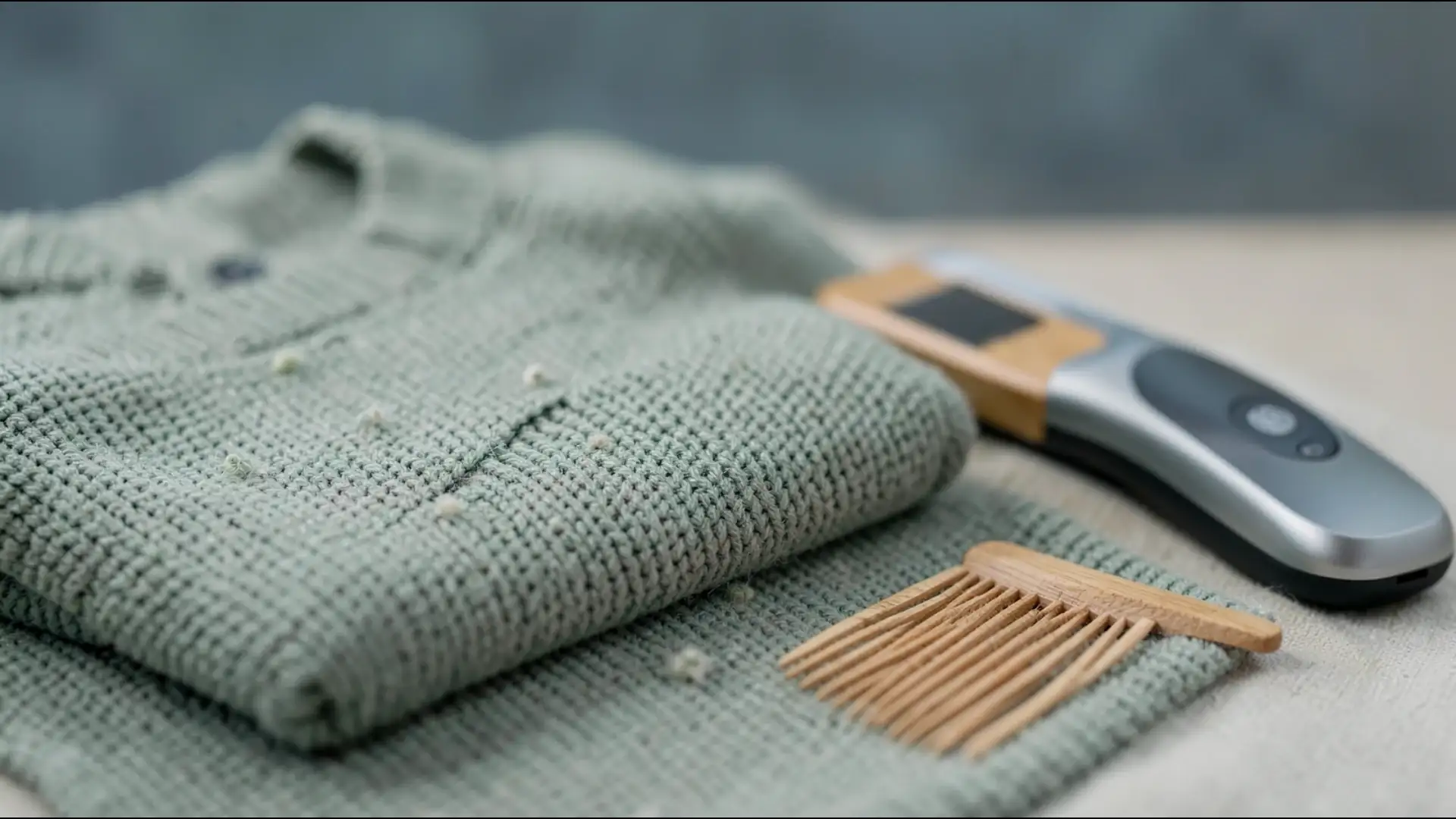
Before removing pills, check the care label and examine the knit. Fine cashmere, merino and loosely knitted fabrics can be more delicate than sturdy cotton or synthetic blends, so they need a lighter touch.
An electric fabric shaver can work on suitable garments, provided it has a clean guard and is used lightly. Test it on an inconspicuous area first. Do not press hard or repeatedly work over the same patch, as this can cut fibres and create a thin spot.
Avoid pulling pills off by hand. Tugging can draw more yarn out of the knit and leave the surface uneven. If the garment is particularly delicate or valuable, a professional cleaner may be the safer option.
Use a suitable detergent and do not wring knitted garments aggressively. Reshape them while damp and dry flat when the care instructions recommend it. Hanging a heavy wet jumper can stretch its shape.
Gentle washing, reduced friction and careful pill removal help knitwear stay presentable. The aim is to maintain the fabric, not shave away its surface unnecessarily.
Pilling does not always mean a garment is poor quality or beyond repair. The right removal method depends on the knit and fibre, and rough handling can make the surface worse. A gentle approach can refresh the appearance while helping the garment remain wearable for longer.
Understand why pilling happens
Pilling forms when loose fibres work their way to the surface and become tangled through friction. It commonly appears under the arms, along the sides of jumpers and where a shoulder bag rubs against the fabric.Before removing pills, check the care label and examine the knit. Fine cashmere, merino and loosely knitted fabrics can be more delicate than sturdy cotton or synthetic blends, so they need a lighter touch.
Remove pills carefully
Lay the garment flat on a clean, firm surface. A fabric comb can lift pills from some knits when used with gentle, short strokes in one direction. Keep the fabric smooth with your free hand, but do not stretch it.An electric fabric shaver can work on suitable garments, provided it has a clean guard and is used lightly. Test it on an inconspicuous area first. Do not press hard or repeatedly work over the same patch, as this can cut fibres and create a thin spot.
Avoid pulling pills off by hand. Tugging can draw more yarn out of the knit and leave the surface uneven. If the garment is particularly delicate or valuable, a professional cleaner may be the safer option.
Reduce friction during washing
Turn knitwear inside out before washing and use the cycle and temperature recommended on the care label. A mesh laundry bag can reduce rubbing against other garments. Avoid overloading the machine, as crowded clothes experience more friction.Use a suitable detergent and do not wring knitted garments aggressively. Reshape them while damp and dry flat when the care instructions recommend it. Hanging a heavy wet jumper can stretch its shape.
Store it properly
Fold knitwear rather than hanging heavy pieces, which may stretch at the shoulders. Keep drawers clean and make sure garments are fully dry before storing. During seasonal storage, use a clean breathable bag and follow appropriate moth-prevention advice.Gentle washing, reduced friction and careful pill removal help knitwear stay presentable. The aim is to maintain the fabric, not shave away its surface unnecessarily.
Next Story