
How To Set Up A Home Workout Space On A Budget Without Expensive Equipment

Home workouts have become increasingly popular as people look for flexible and convenient ways to stay active. Busy schedules, long commutes and rising gym membership costs have encouraged many individuals to create personal fitness spaces at home. However, a common misconception is that setting up a home gym requires expensive machines, large rooms or professional equipment.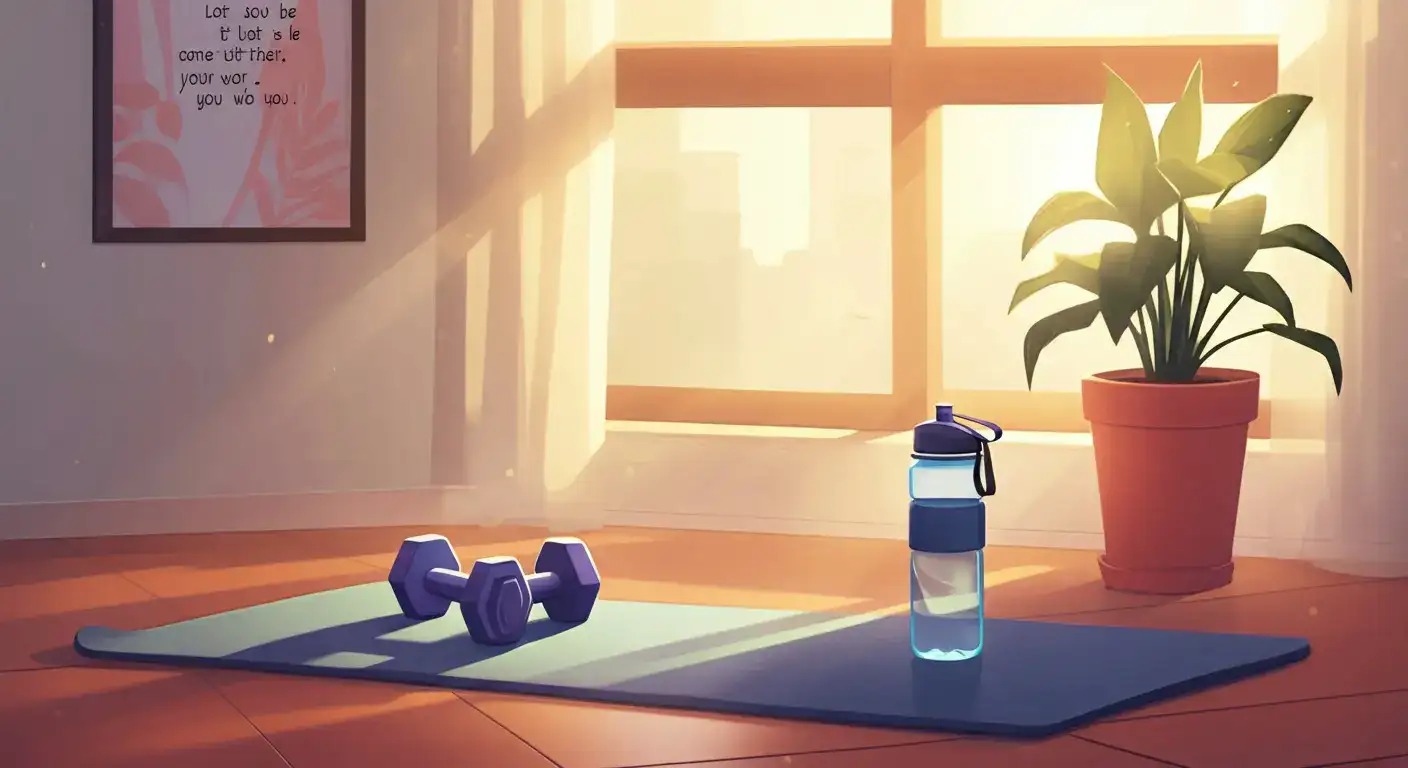
In reality, an effective workout space can be created with minimal spending and smart planning. Fitness is more dependent on consistency and proper movement than costly setups. Even a small corner in a bedroom, balcony or living area can become a practical exercise zone when organised thoughtfully.
A budget-friendly home workout space should focus on comfort, functionality and motivation rather than appearance alone. With simple equipment and efficient use of available space, people can build sustainable fitness habits without financial pressure.
Home workouts remove many of these barriers by allowing flexibility and privacy. People can exercise according to their own routine without depending on commuting or fixed timings.
Home fitness spaces also make short workouts more practical. Even 20 to 30 minutes of movement becomes easier when equipment is immediately accessible.
For beginners, exercising at home may feel less intimidating than joining crowded fitness centres.
A small section of a bedroom, living room or balcony may work well for bodyweight exercises, yoga or stretching. Good ventilation and lighting can improve comfort and motivation during workouts.
People living in smaller urban apartments can also create flexible workout spaces using foldable mats or portable equipment that can be stored easily after use.
Keeping the workout area clean and clutter-free helps create a more focused environment.
A good-quality yoga mat is often the best starting point because it supports stretching, floor exercises and mobility workouts. Resistance bands are another affordable option that can be used for strength training without requiring much storage space.
Skipping ropes, adjustable dumbbells or kettlebells may also provide variety without taking up excessive room.
Bodyweight exercises such as squats, push-ups, lunges and planks remain highly effective even without equipment.
Backpacks filled with books may also be used for added resistance during strength exercises.
These alternatives can help beginners start exercising consistently before deciding whether they need specialised equipment later.
The focus should remain on movement quality and regular practice rather than expensive gear.
Hooks, baskets or storage boxes can hold resistance bands, skipping ropes and smaller accessories neatly. Foldable equipment is especially useful for compact apartments.
Keeping equipment visible but organised may also encourage regular use by reducing setup effort before workouts.
A tidy exercise space often improves focus and consistency.
Using a supportive mat and ensuring proper airflow can improve workout quality significantly. People should also avoid overcrowding spaces with unnecessary equipment that limits movement.
Good posture and correct exercise technique remain more important than intense workouts, especially for beginners.
Warm-up and stretching areas should also be included whenever possible.
Natural light often improves energy and mood during workouts. Some people also place indoor plants near workout areas to create a calmer atmosphere.
However, expensive decorations or complicated setups are not necessary. The goal is to create a practical space that encourages consistency rather than perfection.
This allows people to exercise effectively without investing in large machines or gym memberships.
Beginners should choose routines suitable for their fitness level instead of attempting overly intense workouts immediately.
Consistency and gradual improvement often produce better results than extreme exercise plans.
Starting small allows people to understand their preferences and build habits gradually. Equipment can always be upgraded later if needed.
Simple daily movement, stretching and strength exercises often provide significant health benefits when practised regularly.
Setting up a home workout space on a budget is more achievable than many people assume. With thoughtful planning, minimal equipment and efficient use of available space, even small homes can support effective fitness routines. Home workouts are less about expensive machines and more about creating a comfortable environment that encourages regular movement and healthier daily habits. By focusing on practicality, consistency and gradual progress, people can maintain fitness without putting pressure on their finances or living space.
In reality, an effective workout space can be created with minimal spending and smart planning. Fitness is more dependent on consistency and proper movement than costly setups. Even a small corner in a bedroom, balcony or living area can become a practical exercise zone when organised thoughtfully.
A budget-friendly home workout space should focus on comfort, functionality and motivation rather than appearance alone. With simple equipment and efficient use of available space, people can build sustainable fitness habits without financial pressure.
Why Home Workouts Appeal To Modern Lifestyles
Many people struggle to maintain regular exercise because of time limitations. Travelling to gyms, crowded workout spaces and unpredictable schedules often reduce consistency.Home workouts remove many of these barriers by allowing flexibility and privacy. People can exercise according to their own routine without depending on commuting or fixed timings.
Home fitness spaces also make short workouts more practical. Even 20 to 30 minutes of movement becomes easier when equipment is immediately accessible.
For beginners, exercising at home may feel less intimidating than joining crowded fitness centres.
Choosing The Right Space At Home
A home workout area does not need to be large. The most important requirement is enough room to move comfortably and safely.A small section of a bedroom, living room or balcony may work well for bodyweight exercises, yoga or stretching. Good ventilation and lighting can improve comfort and motivation during workouts.
People living in smaller urban apartments can also create flexible workout spaces using foldable mats or portable equipment that can be stored easily after use.
Keeping the workout area clean and clutter-free helps create a more focused environment.
Start With Minimal Equipment
One of the biggest mistakes beginners make is buying too much equipment immediately. Expensive machines are not necessary for effective fitness routines.A good-quality yoga mat is often the best starting point because it supports stretching, floor exercises and mobility workouts. Resistance bands are another affordable option that can be used for strength training without requiring much storage space.
Skipping ropes, adjustable dumbbells or kettlebells may also provide variety without taking up excessive room.
Bodyweight exercises such as squats, push-ups, lunges and planks remain highly effective even without equipment.
Use Household Items Creatively
Budget-friendly fitness setups often involve using everyday household items creatively. Water bottles can work as light weights, sturdy chairs may support step exercises and towels can assist with stretching or sliding workouts.Backpacks filled with books may also be used for added resistance during strength exercises.
These alternatives can help beginners start exercising consistently before deciding whether they need specialised equipment later.
The focus should remain on movement quality and regular practice rather than expensive gear.
Keep Storage Simple And Organised
Small workout spaces can quickly feel crowded if equipment is scattered everywhere. Simple storage solutions help maintain a cleaner and more motivating environment.Hooks, baskets or storage boxes can hold resistance bands, skipping ropes and smaller accessories neatly. Foldable equipment is especially useful for compact apartments.
Keeping equipment visible but organised may also encourage regular use by reducing setup effort before workouts.
A tidy exercise space often improves focus and consistency.
Prioritise Comfort And Safety
Comfort matters more than aesthetics in a workout space. Slippery floors, poor ventilation or cramped movement areas may increase injury risk.Using a supportive mat and ensuring proper airflow can improve workout quality significantly. People should also avoid overcrowding spaces with unnecessary equipment that limits movement.
Good posture and correct exercise technique remain more important than intense workouts, especially for beginners.
Warm-up and stretching areas should also be included whenever possible.
Create Motivation Without Overspending
Motivation plays a major role in maintaining home fitness habits. Simple touches such as good lighting, a speaker for music or inspirational quotes can make the space feel more inviting.Natural light often improves energy and mood during workouts. Some people also place indoor plants near workout areas to create a calmer atmosphere.
You may also like
- A New Solution for Pet Safety! These 5 Smart Gadgets Will Keep a Constant Watch on Your Pet—No More Fear of Theft
- Train Fire News: Attention Rail Passengers! If Damage Occurs Due to a Train Accident or Fire, How Much Compensation Will the Government Provide?
- No More Deepfakes on YouTube: A New System Is Arriving
- Post Office Savings Scheme: The Magic of the Post Office! Deposit ₹2 Lakhs and Take Home Over ₹90,000 in Interest
- If You Fall Ill During a Heatwave, Will Your Insurance Cover You? Learn the Rules for Heatstroke Claims
However, expensive decorations or complicated setups are not necessary. The goal is to create a practical space that encourages consistency rather than perfection.
Online Workouts Reduce Equipment Needs
One major advantage of modern home fitness is access to free or affordable online workout sessions. Yoga, strength training, mobility exercises and cardio routines can now be followed easily through digital platforms.This allows people to exercise effectively without investing in large machines or gym memberships.
Beginners should choose routines suitable for their fitness level instead of attempting overly intense workouts immediately.
Consistency and gradual improvement often produce better results than extreme exercise plans.
Focus On Long-Term Habits Instead Of Fancy Setups
Many people spend heavily on home gym equipment only to stop using it after a few weeks. Sustainable fitness comes from routine and discipline rather than costly purchases.Starting small allows people to understand their preferences and build habits gradually. Equipment can always be upgraded later if needed.
Simple daily movement, stretching and strength exercises often provide significant health benefits when practised regularly.
Setting up a home workout space on a budget is more achievable than many people assume. With thoughtful planning, minimal equipment and efficient use of available space, even small homes can support effective fitness routines. Home workouts are less about expensive machines and more about creating a comfortable environment that encourages regular movement and healthier daily habits. By focusing on practicality, consistency and gradual progress, people can maintain fitness without putting pressure on their finances or living space.






More from our partners


Loving Newspoint? Download the app now
