
How to Set Up Your Bedroom for More Restful Nights Without Buying Gadgets

A bedroom does not need expensive furniture or specialist gadgets to support better sleep. Small changes to light, noise, temperature and evening habits can make the room feel more restful and reduce distractions at bedtime. The most effective setup is one that suits your comfort, household routine and local climate rather than copying a perfect-looking bedroom from a magazine.
A sleep-friendly bedroom is only one part of healthy sleep, and it cannot solve every cause of persistent insomnia. Still, making the space darker, quieter and more comfortable is a practical place to begin, especially if everyday distractions keep you awake.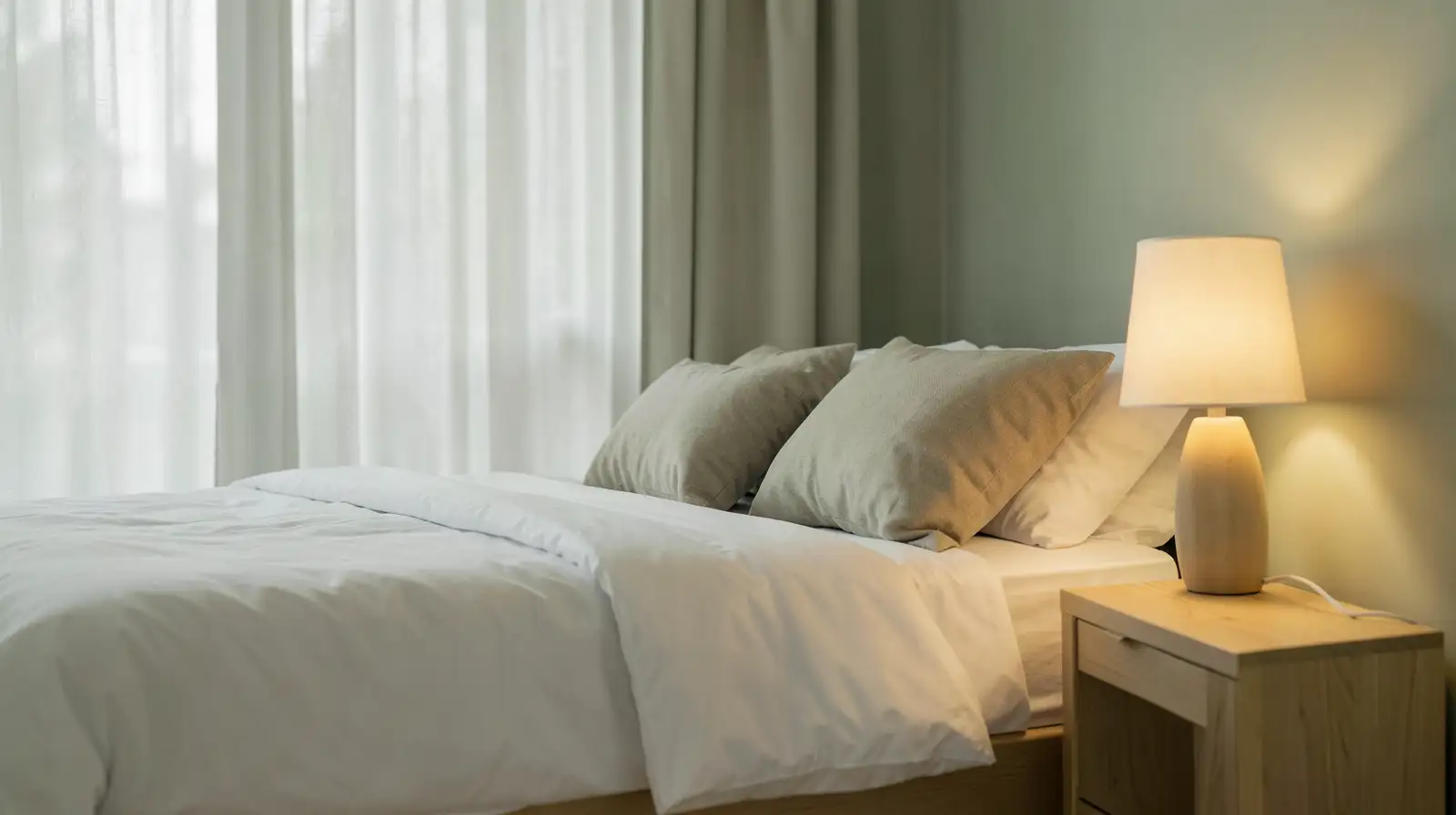
Noise can be managed with earplugs, a fan or steady background sound, depending on what you find comfortable and safe. Check whether a ticking clock, television or phone notifications are keeping you alert. Put devices on silent or use a do-not-disturb setting, while keeping emergency contacts accessible if needed.
A mattress and pillow should support a comfortable sleeping position without causing pain or overheating.
Caffeine can affect sleep for several hours, and sensitivity differs between individuals. If you struggle to fall asleep, consider having coffee or strong tea earlier in the day and notice whether that helps. Alcohol may make some people feel sleepy initially but can disrupt sleep later, so it is not a reliable sleep aid.
Start with one change, such as blocking light or silencing notifications, and give it time. Good sleep hygiene at home is built through consistent, realistic habits rather than costly products or overnight fixes.
A sleep-friendly bedroom is only one part of healthy sleep, and it cannot solve every cause of persistent insomnia. Still, making the space darker, quieter and more comfortable is a practical place to begin, especially if everyday distractions keep you awake.
Bedroom lighting and noise control
Use curtains or blinds to reduce streetlights and early morning sun if they disturb you. If complete darkness is not possible, a comfortable eye mask may help. Keep bright overhead lights low in the hour before bed and use softer lighting while winding down.Noise can be managed with earplugs, a fan or steady background sound, depending on what you find comfortable and safe. Check whether a ticking clock, television or phone notifications are keeping you alert. Put devices on silent or use a do-not-disturb setting, while keeping emergency contacts accessible if needed.
You may also like
- Just 30 Minutes Every Morning Can Transform Your Health: 5 Simple Habits to Start Your Day Right
- Bengaluru cost of living: Techie earning Rs 1.5 lakh a month claims he saves just Rs 15,000; here's why
- Pollution Alert for Parents: 7 Warning Signs in Children You Should Never Ignore and How to Protect Them
- Meet the 13-year-old in Abu Dhabi balancing schoolwork and running his own café
- Art, Coffee and Charming Interiors! Why Kashi Art Cafe in Fort Kochi Is Winning Attention
Find a comfortable temperature for sleep
Many people sleep better in a room that feels cool and well ventilated, but the ideal temperature varies by person, bedding and climate. Choose breathable sheets, use layers that can be removed easily and adjust a fan or air conditioner to a comfortable setting.A mattress and pillow should support a comfortable sleeping position without causing pain or overheating.
Build a repeatable bedtime routine
Try to keep sleep and wake times reasonably consistent, including at weekends. A short routine might include washing, reading a few pages, preparing clothes for the next day or listening to quiet audio. The aim is to signal that the day is ending, not to create another demanding checklist.Caffeine can affect sleep for several hours, and sensitivity differs between individuals. If you struggle to fall asleep, consider having coffee or strong tea earlier in the day and notice whether that helps. Alcohol may make some people feel sleepy initially but can disrupt sleep later, so it is not a reliable sleep aid.
Know when to seek help
If sleep problems persist, affect daytime functioning or occur alongside loud snoring, breathing pauses or severe tiredness, speak with a healthcare professional. A better bedroom environment can support sleep, but ongoing symptoms may need assessment.Start with one change, such as blocking light or silencing notifications, and give it time. Good sleep hygiene at home is built through consistent, realistic habits rather than costly products or overnight fixes.






Loving Newspoint? Download the app now
