
Adopting an Adult Dog? Prepare Your Home with These Simple Steps

Adopting an adult dog can be a rewarding experience, but moving into a new home is a major change for the animal. It may need time to become familiar with new people, sounds, smells and daily routines. Even a confident dog may behave differently during the first few days.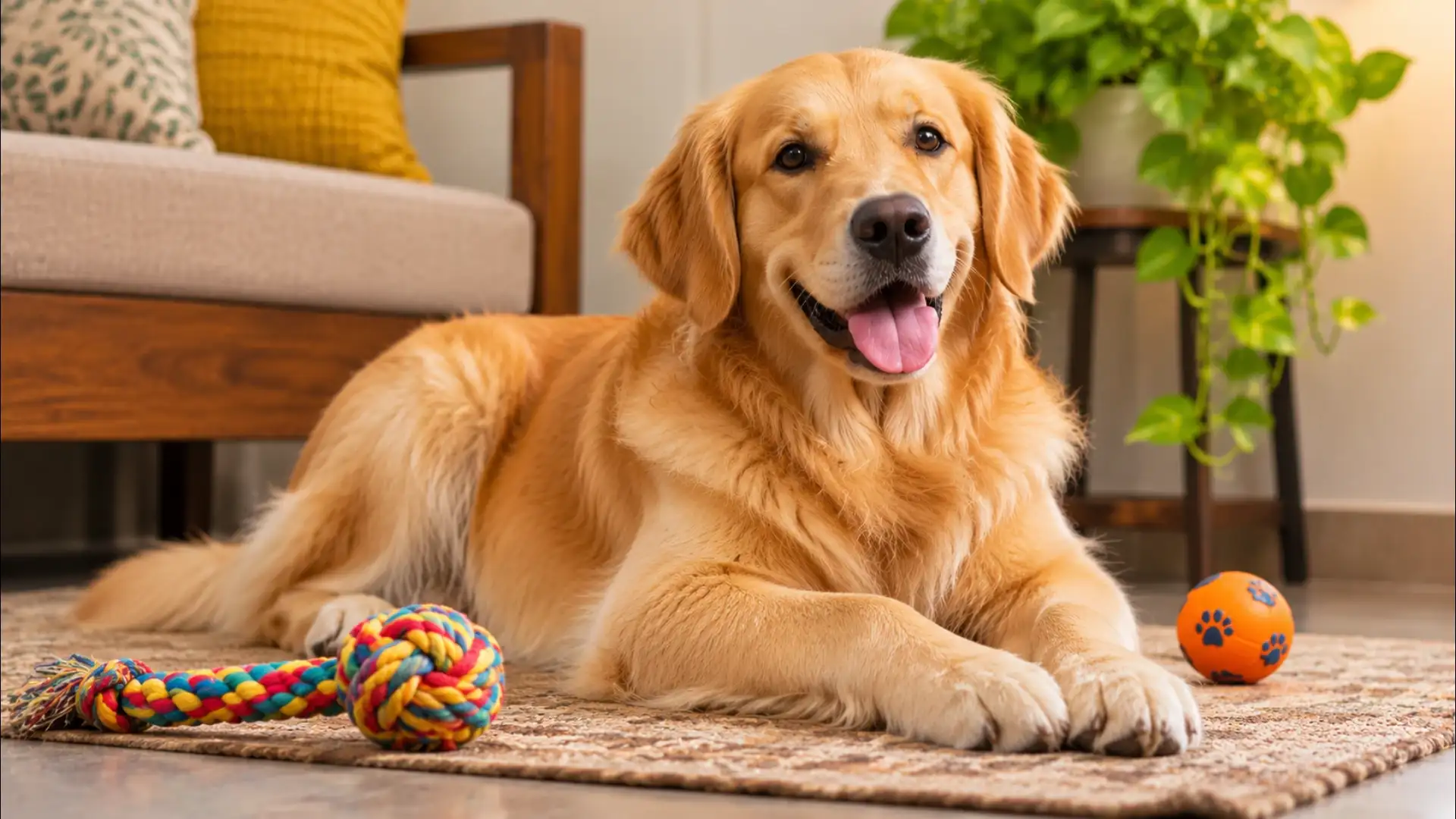
The best approach is to prepare the home in advance and allow the dog to adjust at its own pace. Here are eight practical steps for making the transition easier.
Avoid placing the resting area beside a busy entrance or noisy household equipment. The dog should be able to retreat to this space whenever it wants some quiet time.
Keeping familiar routines initially can make the transition easier. Sudden changes in food, walking schedules and surroundings may add to the adjustment.
Keep cleaning products, wires, small objects and household tools out of reach. A newly adopted dog may explore unfamiliar spaces, so a secure environment is important.
Let the dog approach family members when it feels comfortable. Avoid forcing physical contact, repeatedly calling it or insisting that it interact with everyone.
The routine should also match the dog's age, energy level and individual needs. Ask the adoption centre for guidance before making major changes to its daily activities.
A dog should always have the option to move away from an interaction. This helps create a relationship based on trust rather than pressure.
Give each animal enough space and avoid forcing them to share toys or bowls. The pace should depend on how comfortably they respond to one another.
Choose quieter walking routes at first and gradually introduce busier areas as the dog becomes more comfortable.
A calm home, familiar routine and respectful interactions can help build a strong bond. The goal is not to make the dog adapt immediately, but to create an environment where it gradually feels secure.
The best approach is to prepare the home in advance and allow the dog to adjust at its own pace. Here are eight practical steps for making the transition easier.
1. Prepare a quiet resting area
Choose a comfortable corner where the dog can rest without constant disturbance. Place a suitable bed or mat, a water bowl and a few familiar belongings there.Avoid placing the resting area beside a busy entrance or noisy household equipment. The dog should be able to retreat to this space whenever it wants some quiet time.
2. Ask the adoption centre about its routine
Before bringing the dog home, ask what food it has been eating, when it usually goes for walks and how it responds to everyday situations.Keeping familiar routines initially can make the transition easier. Sudden changes in food, walking schedules and surroundings may add to the adjustment.
3. Make the home secure
Check doors, gates, windows and balcony openings before the dog arrives. Apartment residents should pay particular attention to balcony railings and entrance doors.Keep cleaning products, wires, small objects and household tools out of reach. A newly adopted dog may explore unfamiliar spaces, so a secure environment is important.
4. Keep the first day quiet
Avoid inviting several visitors to meet the dog immediately. Give it time to explore its new surroundings without being surrounded by people.Let the dog approach family members when it feels comfortable. Avoid forcing physical contact, repeatedly calling it or insisting that it interact with everyone.
5. Establish a predictable routine
Set regular times for meals, walks, rest and outdoor breaks. A consistent schedule helps the dog understand what to expect during the day.The routine should also match the dog's age, energy level and individual needs. Ask the adoption centre for guidance before making major changes to its daily activities.
6. Introduce family members gradually
Allow each family member to interact calmly with the dog. Children should be supervised, and they should be taught not to pull its tail, disturb it while eating or approach it when it is resting.A dog should always have the option to move away from an interaction. This helps create a relationship based on trust rather than pressure.
7. Take introductions to other pets slowly
If the household already has a dog or cat, do not expect them to become comfortable with each other immediately. Arrange gradual, supervised introductions and provide separate resting and feeding areas.Give each animal enough space and avoid forcing them to share toys or bowls. The pace should depend on how comfortably they respond to one another.
8. Use secure equipment outdoors
Use a well-fitting harness or collar and a strong lead during initial walks. Keep identification details updated and avoid allowing the dog to roam freely in unfamiliar surroundings.Choose quieter walking routes at first and gradually introduce busier areas as the dog becomes more comfortable.
Give the dog time
There is no fixed timetable for an adopted dog to settle into a new home. The RSPCA notes that each animal adjusts differently and may need patience and time.A calm home, familiar routine and respectful interactions can help build a strong bond. The goal is not to make the dog adapt immediately, but to create an environment where it gradually feels secure.
Next Story